
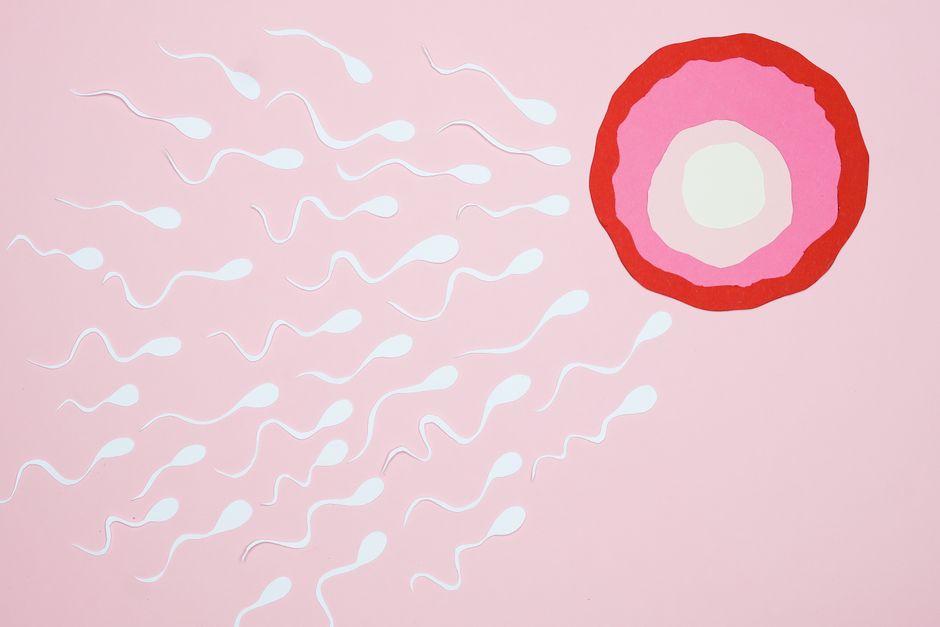
Yes, bloating is a common symptom of ovulation. Many people notice abdominal swelling, tightness, or a feeling of fullness in the middle of their menstrual cycle. This usually happens around day 14 of a 28-day cycle, but the exact timing varies from person to person. The bloating is caused by normal hormonal changes that occur as the ovary releases an egg.
Why Do You Bloat When Ovulating?
Ovulation bloating happens because of shifting hormone levels. In the days before ovulation, estrogen levels rise. This triggers a surge in luteinizing hormone, which causes the egg to be released. Around this time, estrogen levels also cause the body to retain more water and sodium.
Water retention is a direct cause of that swollen, heavy feeling. The body holds onto extra fluid in tissues, which can make the abdomen look and feel distended. Some people also experience mild inflammation around the ovary as the egg breaks through the follicle wall. This local irritation can add to the sensation of pressure and bloating.
Progesterone levels also begin to rise right after ovulation. Progesterone can slow down the digestive tract. When digestion slows, gas builds up in the intestines. This combination of water retention, local inflammation, and slower digestion explains why bloating peaks around ovulation and can last a few days into the luteal phase.
What Does Ovulation Bloating Feel Like?
Ovulation bloating often feels different from the bloating before a period. Many people describe it as a one-sided pressure or a twinge low in the pelvis. The bloating itself may feel like tightness in the lower abdomen, sometimes extending to the lower back.
Some people also notice other signs at the same time. These can include breast tenderness, a slight increase in body temperature, and changes in cervical mucus. The mucus often becomes clear and stretchy, like raw egg whites, around ovulation. These signs together can help you identify when the bloating is linked to ovulation rather than something else.
The intensity varies widely. Some people barely notice ovulation bloating. Others find it uncomfortable enough to affect daily activities. The bloating usually resolves on its own within a day or two after the egg is released.
How Long Does Ovulation Bloating Last?
Ovulation bloating typically lasts one to three days. It often begins a day or two before ovulation and may continue for a day or two after. Once the egg is released and hormone levels begin to shift, the water retention and inflammation usually subside.
If bloating lasts longer than a few days or is severe, it may not be related to ovulation. Persistent bloating that lasts more than a week or comes with significant pain warrants a conversation with a healthcare provider. This is especially true if the bloating is accompanied by fever, vomiting, or fainting.
Ovulation Bloating vs. PMS Bloating
Ovulation bloating and premenstrual syndrome (PMS) bloating share a similar cause: hormone-driven water retention. But they occur at different times in the cycle. Ovulation bloating happens mid-cycle, around day 14 in a typical 28-day cycle. PMS bloating happens in the days just before your period, usually from about day 21 to day 28.
PMS bloating is often more generalized and may come with mood changes, food cravings, and fatigue. Ovulation bloating is more likely to be accompanied by one-sided pelvic pain, known as mittelschmerz. This pain is caused by the follicle stretching and rupturing as it releases the egg.
Tracking your symptoms over a few cycles can clarify which type of bloating you are experiencing. A simple calendar or period-tracking app can help you see patterns. If bloating consistently appears mid-cycle, ovulation is the likely cause.
Can You Reduce Ovulation Bloating?
You cannot stop ovulation bloating entirely because it is a natural part of the menstrual cycle. But you can reduce the discomfort. Staying hydrated helps the body flush out excess sodium and water. Drinking plenty of water may seem counterintuitive when you feel bloated, but it actually helps.
Reducing salt intake in the days around ovulation can also help. High-sodium foods cause the body to hold onto more water. Processed foods, canned soups, and fast food are common sources of excess sodium. Cutting back on these in the week before ovulation may lessen the severity of bloating.
Gentle movement can ease gas and improve digestion. Walking, stretching, and yoga can help move gas through the intestines. Some people find that light abdominal massage helps relieve pressure. Avoiding carbonated drinks and chewing gum can also reduce the amount of gas in your digestive tract.
Potassium-rich foods may help balance sodium levels. Bananas, sweet potatoes, spinach, and avocados are good sources. Some research suggests that magnesium supplements may reduce bloating and water retention, but evidence is limited. If you consider a supplement, talk to your healthcare provider first.
When Should You See a Doctor About Bloating?
Mild bloating around ovulation is normal and not a cause for concern. But certain symptoms should not be ignored. See a healthcare provider if you experience any of the following:
- Bloating that lasts more than a week
- Severe or worsening abdominal pain
- Bloating accompanied by fever or vomiting
- Unexplained weight gain
- Bloating that interferes with eating or breathing
These symptoms can indicate conditions unrelated to ovulation. Ovarian cysts, endometriosis, pelvic inflammatory disease, and gastrointestinal issues can all cause bloating. In rare cases, persistent bloating can be a sign of ovarian cancer, which is why prolonged or unusual bloating should always be evaluated.
No clinical guidelines currently exist for treating ovulation bloating specifically. If your bloating is severe enough to disrupt your life, a doctor can help rule out other causes and suggest management strategies based on your individual health history.
Does Every Person Who Ovulates Experience Bloating?
No. Ovulation bloating is common, but not universal. Some people ovulate every cycle and never notice bloating. Others experience it consistently. The difference likely comes down to individual sensitivity to hormone changes and natural variations in water retention.
People who are more sensitive to estrogen and progesterone fluctuations may notice more pronounced symptoms. This same sensitivity can make some people more prone to PMS symptoms and menstrual cramps. There is no way to predict who will experience ovulation bloating based on age, weight, or overall health.
It is also worth noting that not every cycle includes ovulation. Anovulatory cycles, where no egg is released, can still produce bleeding that looks like a period. If you are not ovulating, you will not experience ovulation bloating. Tracking basal body temperature or using ovulation predictor kits can confirm whether ovulation is occurring.
Frequently Asked Questions
Is it normal to bloat during ovulation?
Yes, bloating during ovulation is a normal response to hormonal changes. It affects many people and usually lasts one to three days.
How can I tell if my bloating is from ovulation?
Ovulation bloating occurs mid-cycle and is often paired with one-sided pelvic pain and clear, stretchy cervical mucus. Tracking your symptoms across a few cycles will help confirm the pattern.
Does ovulation bloating mean I am more fertile?
No. Bloating does not indicate higher fertility. It simply means your body is responding to the hormone surge that triggers egg release.
Can ovulation bloating last a whole week?
Ovulation bloating itself usually lasts only a few days. Bloating lasting a full week or longer should be discussed with a healthcare provider.
