
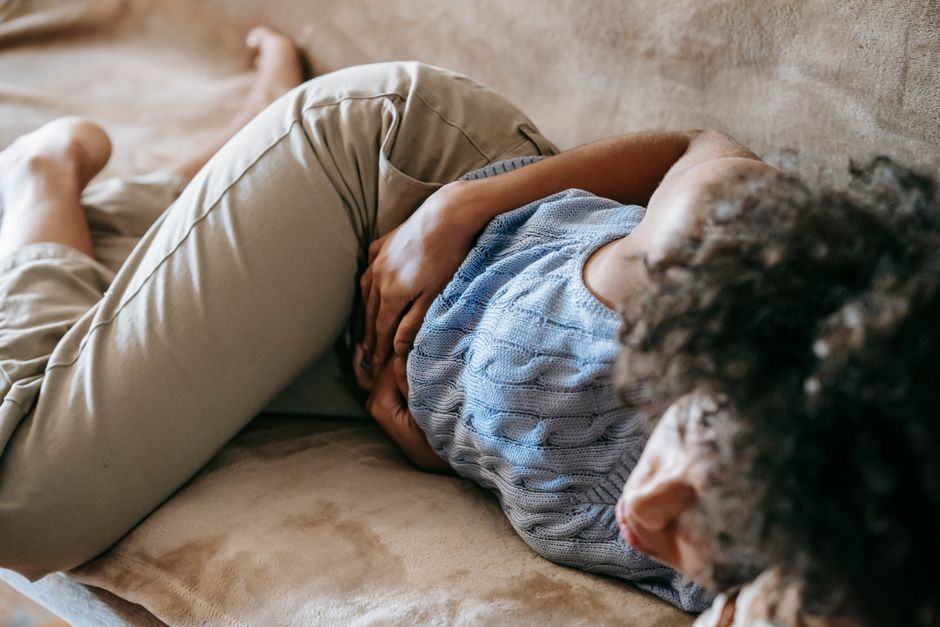
Yes, bloating before your period is one of the most common premenstrual symptoms. Research consistently shows that a large percentage of menstruating people experience abdominal swelling and fluid retention in the days leading up to their period. It is a well-documented physical change, not something you are imagining. The bloating typically begins about one to two weeks before your period starts and usually resolves within a few days after bleeding begins.
What Causes Bloating Before Your Period?
The cause is hormonal. In the second half of your menstrual cycle, called the luteal phase, your body produces more progesterone. This hormone rises after ovulation and stays elevated until your period begins.
Progesterone affects how your body handles water and salt. It can slow down your digestive tract, which leads to gas and constipation. At the same time, shifting levels of estrogen and progesterone can cause your body to retain sodium and water. The result is that familiar feeling of tightness and fullness in your abdomen.
This is not fat gain. It is temporary fluid retention and slowed digestion. Your body releases the extra fluid once your hormone levels drop, which is why the bloating usually disappears shortly after your period starts.
How Long Does Period Bloating Last?
Most people notice bloating starting about five to seven days before their period. For some, it begins earlier, around day 14 of their cycle, right after ovulation.
The bloating usually peaks on the first or second day of the period. After that, it fades quickly. Most people feel back to normal within two to three days after bleeding starts.
The timeline varies from person to person. Some people only bloat for a day or two. Others experience it for nearly two weeks each cycle. Neither pattern is unusual. What matters is whether the bloating follows your menstrual cycle consistently.
Is It Bloating or Something Else?
Period bloating is predictable. It happens at the same point in your cycle each month and goes away when your period arrives. If your bloating does not follow this pattern, it may have a different cause.
Conditions like irritable bowel syndrome (IBS) can cause bloating that is worse around your period. The two conditions often overlap. Hormones affect gut motility, which can trigger IBS symptoms in the luteal phase.
Other causes of abdominal bloating include food intolerances, swallowing air while eating, constipation, and certain medications. If your bloating is severe, constant, or accompanied by pain, weight loss, or changes in bowel habits, talk to a healthcare provider. Persistent bloating that does not go away with your period is not normal.


What the Research Says About Frequency
Studies on premenstrual symptoms have measured how common bloating really is. Research published in medical journals on menstrual cycles consistently finds that bloating is among the most frequently reported premenstrual symptoms, along with breast tenderness and mood changes.
Some estimates suggest that over half of menstruating people experience bloating regularly before their period. Some studies report figures as high as 70 percent. The exact percentage varies depending on how the study defines bloating and which population it surveys.
What is clear is that period bloating is not rare. If you experience it, you are in the majority. It is a normal physiological response to hormonal changes, not a sign that something is wrong.
Does Diet Make Period Bloating Worse?
Yes, certain foods can amplify the bloating you feel before your period. Salt is the biggest contributor. High-sodium foods cause your body to hold onto more water, which makes hormonal fluid retention worse.
Processed foods, fast food, and salty snacks are the main culprits. Cutting back on these in the week before your period can reduce the severity of bloating.
Carbohydrates also play a role. When you eat carbs, your body stores them as glycogen, and glycogen holds water. Eating large amounts of refined carbs before your period can add to water retention.
On the other hand, foods high in potassium may help. Potassium helps balance sodium levels in the body. Foods like bananas, sweet potatoes, spinach, and avocado are good sources. Some research suggests that increasing potassium intake can help reduce water retention, though the effect is modest.
Does Exercise Help With Period Bloating?
Exercise can help, but it is not a cure. Physical activity stimulates your digestive tract, which can relieve gas and constipation. It also promotes circulation, which may help your body move excess fluid out of your tissues.
Light to moderate exercise is best in the days before your period. Walking, swimming, yoga, and cycling are all good options. You do not need to do intense workouts to get the benefit.
One important note: intense exercise can sometimes make bloating feel worse temporarily. This is because heavy exertion diverts blood flow away from your digestive system. If you feel worse after a hard workout, dial it back during the luteal phase.
Do Over-the-Counter Remedies Work?
Several over-the-counter options can help with period bloating. Diuretics are the most direct approach, but they require a prescription. Over-the-counter water pills exist, but they are generally not recommended without medical supervision because they can disrupt your electrolyte balance.
Nonsteroidal anti-inflammatory drugs (NSAIDs) like ibuprofen can help. They reduce prostaglandins, which are hormone-like substances that contribute to pain and inflammation. Some people find that taking ibuprofen in the days before their period reduces both cramps and bloating.
Some research suggests that calcium supplements may reduce overall premenstrual symptoms, including bloating. The evidence is not definitive, but it is promising. Magnesium supplements have also been studied for PMS symptoms, with mixed results.
Before starting any supplement, talk to your healthcare provider. Supplements are not regulated like medications, and they can interact with other drugs you take.
When Should You See a Doctor About Period Bloating?
See a doctor if your bloating is severe enough to interfere with your daily life. If you cannot button your pants, if the bloating causes pain, or if it does not go away after your period ends, that warrants a check-up.
You should also seek medical advice if your bloating is accompanied by other symptoms. These include heavy bleeding, irregular cycles, pelvic pain, or digestive changes like persistent diarrhea or constipation.
Conditions like endometriosis, polycystic ovary syndrome (PCOS), and ovarian cysts can cause abdominal swelling that mimics period bloating. A healthcare provider can help distinguish between normal premenstrual bloating and something that needs treatment.
Frequently Asked Questions
How many days before your period does bloating start?
Bloating typically starts about five to seven days before your period begins.
Some people notice it earlier, right after ovulation around day 14 of their cycle.
Why do I look pregnant before my period?
Hormonal changes cause your body to retain water and slow digestion, which makes your abdomen swell.
This is temporary fluid retention and gas, not weight gain, and it resolves after your period starts.
Does drinking water help period bloating?
Yes, drinking plenty of water can help your body flush out excess sodium and reduce water retention.
Dehydration actually makes your body hold onto more fluid, so staying hydrated is important.
Can birth control pills reduce period bloating?
Some people find that hormonal birth control reduces premenstrual bloating.
Birth control pills stabilize hormone levels, but the effect varies from person to person.
