
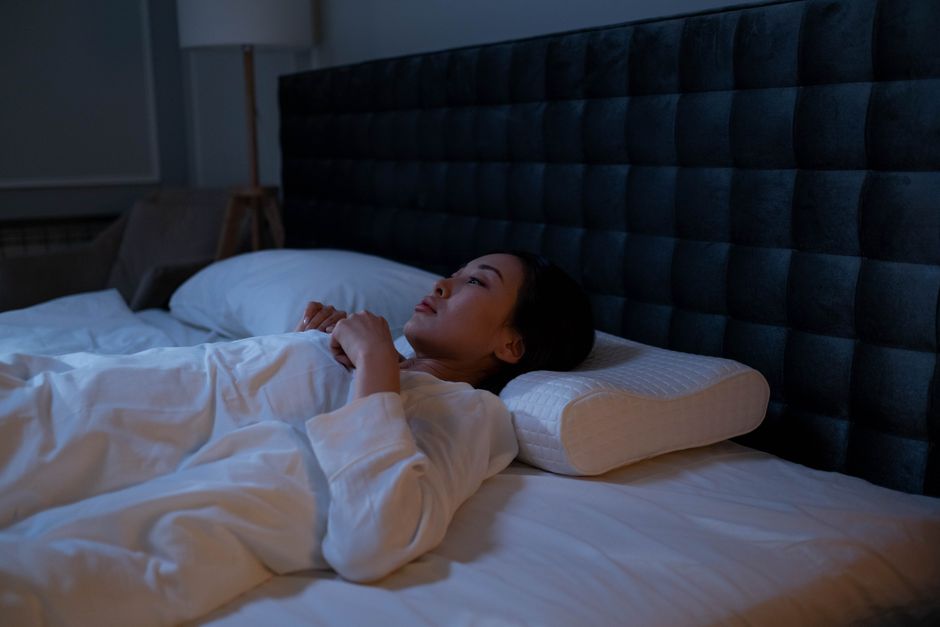
Yes, you lose one hour of sleep tonight when clocks spring forward for daylight saving time. The shift to DST means 2:00 AM becomes 3:00 AM, so your Sunday morning is one hour shorter. Research shows this single hour loss affects your body more than you might expect, and the effects can last several days.
Why Do We Lose An Hour Of Sleep Tonight?
The short answer is the clock change itself. In the United States, daylight saving time begins on the second Sunday of March. At 2:00 AM, clocks jump ahead to 3:00 AM. You lose 60 minutes from your night.
This is not a natural change. Your body runs on a 24-hour internal clock called the circadian rhythm. Light and darkness set this rhythm. When you suddenly shift your schedule by an hour, your internal clock does not adjust instantly.
The American Academy of Sleep Medicine has called for eliminating daylight saving time entirely. They cite the health risks tied to this forced shift. As of 2026, the debate continues, but the time change itself remains in most of the US.
What Does Research Say About Losing That Hour?
Studies have found measurable effects from the spring time change. Research published in the journal Current Biology showed that hospital visits for atrial fibrillation, a heart rhythm problem, increased by 7 percent in the days after the spring shift.
The CDC has reported that traffic accidents rise on the Monday after the time change. One study found a 6 percent increase in fatal crashes during the first week of DST. The lost hour affects alertness and reaction time.
Stroke rates also appear to increase. A study from the University of Michigan found that people over 65 had a higher risk of stroke in the two days after the spring transition. The risk was small overall but real.
Not all research points to disaster. Some studies suggest the body adapts within a week for most people. The real problem is the cumulative sleep debt many people already carry. Losing an extra hour on top of that is where the trouble starts.
How Does One Hour of Lost Sleep Affect Your Body?
Your brain needs sleep to clear waste products and process information. Losing even one hour reduces your cognitive performance the next day. You may feel foggy, irritable, or unable to focus.
Your heart feels this loss too. The American Heart Association notes that sleep deprivation raises blood pressure and stress hormones. The spring time change is linked to a 24 percent increase in heart attack rates on the Monday after, according to research from the University of Colorado.
Cortisol levels shift. This stress hormone naturally rises in the morning to wake you up. When you lose sleep, your cortisol pattern gets disrupted. Some people report feeling more anxious or on edge for several days.
Your immune system also takes a hit. One study found that people who slept less than seven hours were nearly three times more likely to catch a cold. The single hour loss may not cause illness alone, but it weakens your defenses if you are already exposed.





Can You Prepare For The Lost Hour?
Yes, and the evidence supports several strategies. The simplest approach is to shift your bedtime gradually in the days before the change. Go to bed 15 minutes earlier each night starting the Thursday before. By Sunday, your body has already adjusted.
Light exposure matters more than most people realize. Morning sunlight helps reset your internal clock. Get outside for 15 to 30 minutes after waking on Sunday and Monday. This tells your brain it is time to be alert.
Avoid caffeine after 2 PM in the days following the change. Caffeine blocks adenosine, the chemical that builds sleep pressure. If you are already fighting a disrupted schedule, afternoon caffeine makes it harder to fall asleep at your new bedtime.
Alcohol before bed is a bad idea during adjustment week. Alcohol fragments your sleep. You may fall asleep faster, but you wake up more during the night. The lost hour combined with alcohol effects makes for a poor recovery.
| Strategy | What It Does | Best Timing |
|---|---|---|
| Gradual bedtime shift | Aligns your internal clock before the change | Thursday through Saturday night |
| Morning sunlight exposure | Resets circadian rhythm naturally | Sunday and Monday morning |
| Limit afternoon caffeine | Prevents sleep disruption at night | Avoid after 2 PM |
| Skip alcohol near bedtime | Prevents fragmented sleep | Avoid for 3-4 hours before bed |
| Consistent wake time | Stabilizes your sleep schedule | Every day, even weekends |
What Actually Helps The Morning After?
Getting up at your normal time on Sunday morning is crucial. Many people sleep in to compensate for the lost hour. That makes the adjustment harder. Your body needs the morning light signal at the same time each day.
A short nap can help if you feel exhausted. Keep it under 20 minutes and take it before 3 PM. Longer naps or late naps interfere with your ability to fall asleep at night. A power nap restores alertness without disrupting your schedule.
Exercise helps your body adapt. A morning walk or light workout increases body temperature and releases cortisol at the right time. This reinforces your wake-up signal. Vigorous exercise late in the evening can delay sleep, so keep workouts earlier in the day.
Some people report that melatonin helps them adjust. Evidence is mixed. A small dose of 0.5 to 1 milligram taken a few hours before your target bedtime may help. But timing is tricky. Take it too early or too late and it can backfire. If you have never used melatonin, this is not the week to experiment.
What Are Common Misconceptions About The Lost Hour?
A common belief is that you can “catch up” on the lost sleep over the weekend. Research shows this does not work. Sleep debt is not like a bank account where one deposit fixes a withdrawal. Your body needs consistent sleep patterns, not a single long sleep session.
Another myth is that the lost hour only matters for children or older adults. Studies show that healthy adults in their 30s and 40s also experience measurable effects. Reaction times slow. Decision-making suffers. The risks are real across age groups.
Some people think they are immune because they do not feel tired. Feeling awake does not mean your body has adjusted. Your performance on tasks may still be impaired even if you do not notice sleepiness. This is especially dangerous for driving.
There is also a belief that the fall time change compensates for the spring loss. It does not. The spring shift disrupts sleep. The fall shift gives you an extra hour, but many people use it to stay up later. The net effect over the year is still a loss of sleep quality.
What To Avoid In The Days After The Change
Do not drive if you feel drowsy. The CDC reports that drowsy driving causes thousands of crashes each year. The Monday after the spring time change is statistically more dangerous. If you feel tired, let someone else drive or delay your trip.
Avoid making important decisions on Monday. Research shows that sleep loss impairs judgment. You may not realize your thinking is slower. Postpone major work decisions or financial choices until you have had a few nights of normal sleep.
Do not rely on energy drinks or high doses of caffeine to push through the day. These create a cycle of stimulation and crash that makes it harder to sleep the next night. Your body needs natural recovery, not chemical forcing.
Avoid starting new sleep medications or supplements during this week. If you have never tried a sleep aid, the time change week is not the moment to test it. Your body is already disrupted. Adding an unfamiliar substance can cause unpredictable effects.
If you experience persistent sleep problems, chest pain, or unusual heart rhythms in the days after the time change, speak with a healthcare provider. For most people, the effects resolve within a week. But for some, the lost hour exposes underlying health issues that need attention.
Frequently Asked Questions
Do I really lose a full hour of sleep tonight?
Yes, when clocks spring forward at 2 AM, you lose one hour of that night. Your Sunday morning starts one hour earlier than your body expects.
How long does it take to recover from losing an hour of sleep?
Most people adjust within one week. Some studies show that sleep patterns and alertness return to normal by the following weekend.
Can I take melatonin to help with the time change?
A low dose of 0.5 to 1 milligram taken a few hours before bed may help, but evidence is mixed. Talk to your doctor before trying it.
Is losing one hour of sleep dangerous for my health?
For most healthy adults it is not dangerous, but research shows small increases in heart attacks, strokes, and traffic accidents in the days after the change.
