
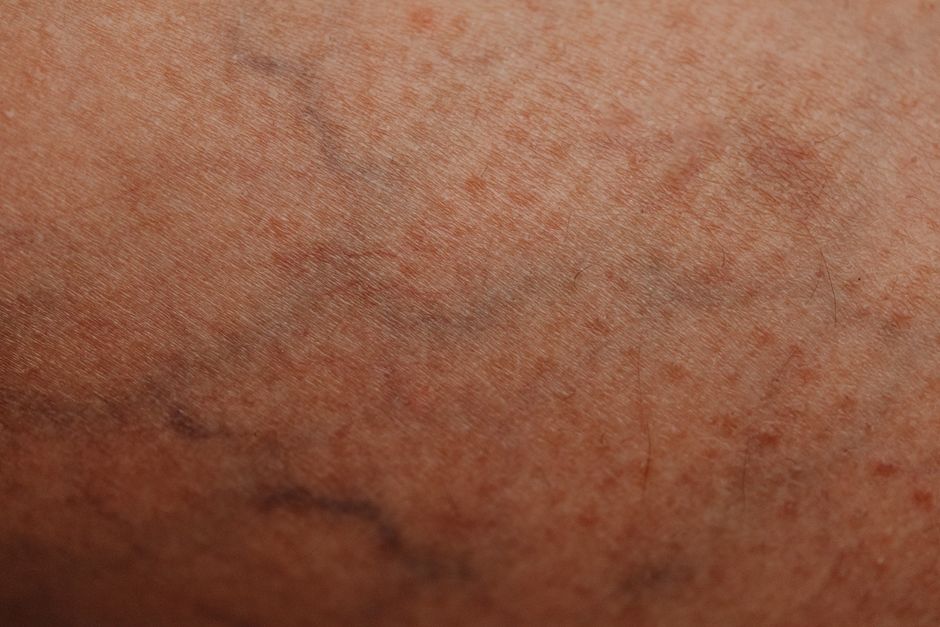
Yes, veins have valves. These small flaps inside many veins keep blood moving in one direction — back toward the heart. Without them, gravity would pull blood backward, especially in your legs. Not every vein has valves, but the ones that need them do.
Do Veins Have Valves? Yes, But Not All Veins
Most veins in your arms and legs contain valves. These valves are thin flaps of tissue that open to let blood flow toward the heart and close to stop it from flowing backward. Veins in the chest and abdomen generally do not need valves because gravity is less of a factor there and the pressure from breathing and surrounding muscles helps push blood along.
The veins that carry blood from your feet and legs back up to your heart face the hardest job. They work against gravity. Valves are essential in these veins. They divide the column of blood into shorter segments so each section only has to move a small amount upward at a time.
How Do Vein Valves Work?
Each valve consists of two flaps called leaflets. These leaflets are made of thin connective tissue covered by a smooth lining. When blood flows toward the heart, the leaflets flatten against the vein wall and let blood pass. When blood starts to flow backward, the leaflets fill with blood, bulge outward, and seal the vein shut.
This opening and closing happens with every heartbeat and every movement of your muscles. Your calf muscles act as a pump. When you walk, your muscles squeeze the deep veins and push blood upward. The valves open to let the blood rise, then close to stop it from dropping back down. Without working valves, this muscle pump would just push blood in both directions.
What Happens When Vein Valves Fail?
When a valve does not close fully, some blood flows backward. This is called venous reflux. Over time, the backward flow puts extra pressure on the vein walls below the faulty valve. The vein stretches and becomes wider. As it widens, the leaflets can no longer meet in the middle, and the leak gets worse.
The most visible result of failed valves is varicose veins. These are swollen, twisted veins that bulge under the skin. They most often appear in the legs. Varicose veins are not just a cosmetic issue. They can cause aching, heaviness, swelling, and skin changes. If left untreated, chronic venous insufficiency can develop. This condition can lead to skin ulcers, especially near the ankle.
Less visible but equally important is damage to the deep vein valves. These valves are inside the large veins deep in your leg muscles. When they fail, the entire leg can swell, and the risk of blood clots increases.





What Conditions Are Linked to Faulty Vein Valves?
Several medical conditions are directly tied to valve failure:
- Chronic venous insufficiency (CVI). This is the most common result of failed leg vein valves. Blood pools in the lower legs, causing swelling, skin discoloration, and ulcers.
- Varicose veins. Surface veins that have stretched due to increased pressure from leaky valves.
- Spider veins. Tiny surface veins that branch out. While not directly caused by valve failure, they often appear alongside varicose veins.
- Deep vein thrombosis (DVT). A blood clot in a deep vein can damage the valves in that vein. Even after the clot dissolves, the scarred valve may not work properly.
- Venous stasis ulcers. Open sores that form on the lower leg or ankle due to chronic blood pooling and poor oxygen delivery.
Pregnancy, prolonged standing, obesity, and aging all increase the risk of vein valve problems. Genetics also play a role. If your parents had varicose veins or venous insufficiency, your risk is higher.
How Are Vein Valve Problems Diagnosed?
Doctors use a simple, painless test called a venous duplex ultrasound. This combines sound waves with Doppler technology to see the direction of blood flow in your veins. The ultrasound shows which valves are leaking and how severe the leak is.
During the test, you lie on a table while a technician moves a small device over your skin. The technician may ask you to stand or squeeze your calf to see how the valves respond. The results help determine the best treatment approach. Some people with mild reflux may only need compression stockings. Others with more severe valve failure may need a procedure to close or remove the damaged vein.
Can You Prevent Vein Valve Damage?
You cannot change your genetics or stop aging, but you can reduce strain on your vein valves:
- Move regularly. Walking activates the calf muscle pump. Sitting or standing for long periods without movement lets blood pool and puts pressure on valves.
- Maintain a healthy weight. Extra body weight increases pressure in the leg veins, especially around the abdomen.
- Elevate your legs. Raising your legs above heart level for 15–20 minutes a day helps blood drain and reduces pressure on valves.
- Wear compression stockings if recommended. These apply gentle pressure from the ankle upward and help the valves close more effectively.
- Avoid crossing your legs when sitting. This position can compress veins and reduce blood flow.
None of these measures can repair a valve that is already broken. But they can slow the progression of further damage and reduce symptoms.
Are There Treatments for Damaged Vein Valves?
Yes, several treatments exist. The choice depends on the location and severity of the valve failure. For varicose veins in the surface system, doctors may use:
- Sclerotherapy. A chemical is injected into the damaged vein, causing it to scar shut. Blood then reroutes through healthier veins.
- Endovenous laser or radiofrequency ablation. A thin catheter delivers heat to the vein wall, sealing it closed.
- Phlebectomy. The damaged vein is removed through small cuts in the skin.
For deep vein valve failure, treatment is more complex. Surgical valve repair or replacement is possible in some cases, but it is not common. Most people with deep vein insufficiency manage the condition with compression therapy, leg elevation, and medications that reduce swelling.
No treatment reverses the damage to a valve. The goal is to redirect blood flow to healthier veins and relieve symptoms. Some studies suggest that certain lifestyle changes and compression therapy can help preserve remaining valve function.
Frequently Asked Questions
Do all veins have valves?
No. Veins in the arms, legs, and feet have many valves. Veins in the chest, abdomen, and brain generally do not need them because gravity is less of a factor and other forces help move blood.
Can vein valves repair themselves?
No. Once a vein valve is damaged, it cannot heal or grow back. Treatment focuses on rerouting blood to healthy veins and reducing symptoms.
What causes vein valves to stop working?
The most common cause is chronic high pressure inside the vein, which stretches the walls and pulls the valve leaflets apart. Genetics, pregnancy, obesity, prolonged standing, and blood clots all contribute.
Are varicose veins dangerous?
Most varicose veins are not dangerous, but they can cause discomfort and lead to chronic venous insufficiency. In rare cases, a varicose vein can rupture or form a blood clot near the skin surface. See a doctor if the vein becomes painful, red, or warm.
