
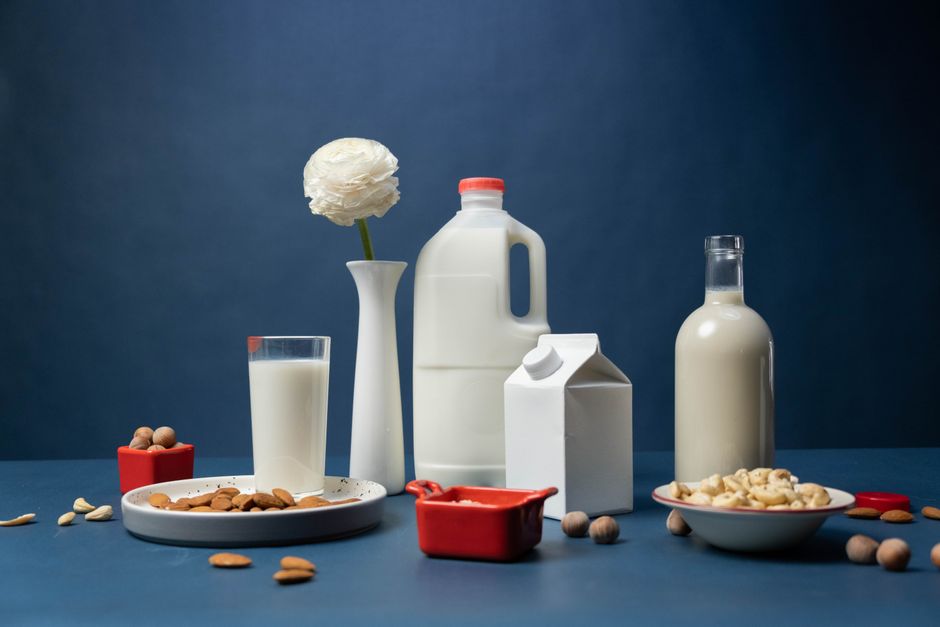
Yes, many vegetarians eat dairy. The word “vegetarian” describes people who avoid meat, poultry, and fish, but the term does not automatically exclude milk, cheese, butter, or yogurt. In everyday use, someone who eats dairy and eggs is called a lacto-ovo vegetarian, and that is the most common pattern in the United States and much of the world.
That said, the label covers a wide range of eating styles. Some vegetarians avoid dairy too, and the reasons vary from ethics to digestion to simple taste. Knowing the difference between these groups matters if you are cooking for someone, reading food labels, or deciding where you fit.
What Does the Word Vegetarian Actually Mean?
In plain terms, a vegetarian is someone who does not eat the flesh of any animal. That includes beef, pork, chicken, turkey, fish, and shellfish. Dairy products are not animal flesh, so they fall outside the basic definition.
The term was never a single diet. It is an umbrella that covers several patterns of eating, and each one treats dairy differently. The most common forms are:
- Lacto-ovo vegetarian: avoids meat, poultry, and fish but eats dairy and eggs. This is the most common type in the US.
- Lacto vegetarian: avoids meat, poultry, fish, and eggs but eats dairy.
- Ovo vegetarian: avoids meat, poultry, fish, and dairy but eats eggs.
- Vegan: avoids all animal products, including dairy, eggs, and often honey.
If someone simply says “I’m vegetarian” without a qualifier, dairy is usually on the table. It is worth asking rather than assuming, because the person may follow one of the stricter patterns.
Why Do Some Vegetarians Avoid Dairy?
People drop dairy from a vegetarian diet for a few distinct reasons, and they are not all about ethics. Understanding them helps explain why the label can be confusing.
The most common reasons include:
- Animal welfare concerns: Some people object to how dairy cows are raised and managed, including the separation of cows from calves and the culling of male calves. This is the main driver behind veganism.
- Environmental concerns: Dairy farming has a notable environmental footprint. Some people reduce or avoid dairy for that reason alone.
- Lactose intolerance: Many adults cannot fully digest lactose, the natural sugar in milk. Avoiding dairy prevents the gas, bloating, and discomfort that follow.
- Personal preference: Some people simply do not like dairy or feel better without it.
Lactose intolerance is worth a closer look. It is not the same as a milk allergy, which is an immune reaction to milk protein and can be serious. Lactose intolerance is a digestive issue caused by low levels of the enzyme lactase. Many people with it can still tolerate small amounts of certain dairy foods, especially aged cheeses and yogurt, which contain less lactose. That is a common point of confusion, and it is why “avoids dairy” does not always mean “cannot have any dairy at all.”
How Do You Know If a Food Contains Dairy?
Label reading is where dairy hides in plain sight. Milk and its components turn up in foods you might not expect, and the ingredient list is the reliable place to check.
In the US, federal labeling rules require milk to be listed as a major allergen. That means the word “milk” should appear in the ingredient list or in a “contains” statement when milk or a milk-derived ingredient is present. This makes checking easier than it once was.
Common dairy ingredients to watch for include:
- Milk, whole milk, skim milk, milk powder, and milk solids
- Whey and casein, which are milk proteins
- Butter, butterfat, ghee, and cream
- Cheese, yogurt, and cultured milk
- Lactose and lactalbumin
Two clarifications matter here. First, “non-dairy” on a label does not guarantee the food is milk-free. Some non-dairy creamers contain a milk protein called caseinate, and the allergen label will still list milk. Second, foods labeled “lactose-free” are not dairy-free. They have had the lactose broken down, but the milk protein remains, so they are not suitable for someone with a milk allergy or a strict vegan diet.
Do Vegetarians Eat Dairy? The Facts on Nutrition
Dairy is a concentrated source of several nutrients that can be harder to get on a plant-based diet. For lacto and lacto-ovo vegetarians, it often does real nutritional work.
Milk and dairy foods provide calcium, protein, vitamin B12, and iodine, among other nutrients. Vitamin B12 in particular occurs naturally almost only in animal products, so vegetarians who eat dairy get a reliable source that vegans must obtain from fortified foods or supplements. This is one reason the dairy question is not just about preference.
For people who do avoid dairy, the nutrients still need to come from somewhere. Fortified plant milks, tofu set with calcium, leafy greens, and fortified cereals can supply calcium. Vitamin B12 generally requires fortified foods or a supplement on a fully plant-based diet. A registered dietitian can help build a plan that covers the gaps, and that is a reasonable step for anyone making a significant dietary change.
Is Dairy Healthy for Vegetarians?
Dairy fits into a healthy vegetarian diet, but it is not automatically a health food. The evidence on dairy and health is genuinely mixed and depends heavily on the type of dairy and the overall diet.
Some studies link dairy intake to a lower risk of certain conditions, while others show little effect or mixed results. The evidence is not strong enough to treat dairy as protective on its own. What the research does support more consistently is the value of overall dietary patterns, such as diets rich in vegetables, fruits, whole grains, legumes, and nuts, with dairy as one component rather than the centerpiece.
Not all dairy foods are equal in practical terms. Plain milk and plain yogurt differ from ice cream and sugary flavored yogurts. Choosing plainer forms and watching added sugar is a more useful guide than counting dairy servings. Some dairy foods are also high in saturated fat, and current dietary guidance generally favors lower-fat dairy as part of a balanced pattern.
This is not a reason to avoid dairy. It is a reason to see it as one part of the picture, not a shortcut to health.
What About Eggs, Honey, and Other Animal Foods?
Dairy is not the only edge case in vegetarian eating. Eggs, honey, and foods made with animal-derived ingredients like gelatin or certain rennets sit in gray zones.
Eggs are eaten by lacto-ovo vegetarians and avoided by lacto vegetarians and vegans. Honey is eaten by most vegetarians but avoided by many vegans. Gelatin, made from animal collagen, is not vegetarian by most definitions, and some hard cheeses are made with animal rennet, which matters to strict vegetarians. These are details a person’s own definition decides, not a universal rule.
The practical takeaway is simple. When you are feeding or cooking for a vegetarian, ask which type they follow. It takes one question and avoids a lot of guesswork.
Frequently Asked Questions
Do vegetarians eat dairy and eggs?
Most do. The most common pattern, lacto-ovo vegetarianism, includes both dairy and eggs while excluding meat, poultry, and fish. Lacto vegetarians eat dairy but not eggs, and vegans avoid both.
Can you be vegetarian and still eat cheese?
Yes, cheese is dairy, so it fits most vegetarian diets. Some strict vegetarians check whether a cheese was made with animal rennet, which is not vegetarian by their definition.
Is dairy-free the same as vegan?
No. Dairy-free means no milk or milk products, but a dairy-free food can still contain eggs, honey, or other animal ingredients. Vegan is a broader standard that excludes all animal products.
Do vegetarians eat butter?
Most do, because butter is made from milk and fits lacto and lacto-ovo vegetarian diets. Vegans and strict dairy-free vegetarians use plant-based alternatives instead.
