
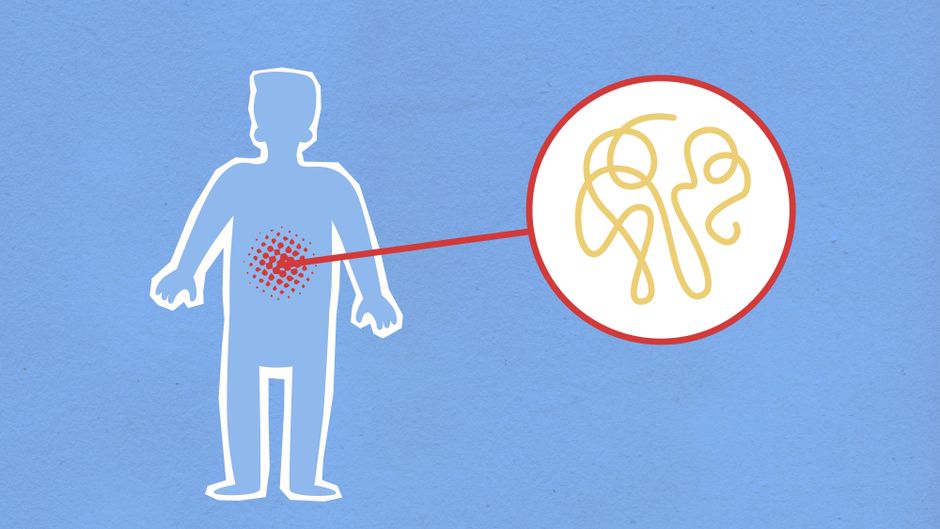
Urinary tract infections do not typically cause bloating as a direct symptom, but the two can appear together for reasons worth understanding. A UTI is an infection of the urinary system, and bloating is a digestive complaint. They involve different body systems. When they happen at the same time, the link is usually indirect — through shared nerve pathways, medication side effects, or a separate issue that is being overlooked.
That distinction matters. If you assume your bloating is “just the UTI,” you may miss something else that needs attention. Here is what the evidence supports, what it does not, and when overlapping symptoms deserve a closer look.
What Are the Typical Symptoms of a Urinary Tract Infection?
UTI symptoms cluster around the urinary tract and are usually recognizable. The most common include a burning sensation when urinating, a frequent and urgent need to go, and urine that looks cloudy or smells strong.
Other established symptoms include:
- Pain or pressure in the lower abdomen or pelvis
- Passing only small amounts of urine despite feeling the urge
- Blood in the urine
- Feeling tired or generally unwell
When the infection moves up to the kidneys — a more serious condition called pyelonephritis — symptoms shift. Fever, chills, nausea, vomiting, and pain in the back or side become prominent. This is a different clinical picture and needs prompt medical attention.
Notice what is missing from that list: gas, abdominal distension, or the sensation of a swollen belly. Those are digestive symptoms, and they are not part of the standard clinical description of a UTI.
Do Urinary Tract Infections Cause Bloating?
There is no established direct mechanism by which a bladder infection produces intestinal gas or abdominal distension. The bladder and the intestines are separate organs with separate functions, even though they sit close together in the pelvis.
That said, people do sometimes report feeling bloated during a UTI. There are a few plausible explanations, and it helps to separate them honestly.
Lower abdominal pressure can feel like bloating
A UTI often causes a heavy, pressured feeling in the lower pelvis. Some people describe this as bloating, even though it is inflammation and irritation in the bladder area rather than gas in the bowel. The sensation is real. The label may just be imprecise.
Antibiotics can disrupt digestion
This is one of the more concrete connections. Antibiotics treat UTIs effectively, but they also affect the gut bacteria that help regulate digestion. Many people develop gas, loose stools, or general abdominal discomfort while taking them. If bloating starts after you begin treatment, the medication is a reasonable suspect. Talk to your clinician about it rather than stopping the course on your own.
Constipation can mimic or worsen both
Constipation is a well-known risk factor for UTIs, particularly in women, because a full bowel can press on the bladder and make it harder to empty completely. Incomplete bladder emptying allows bacteria to multiply. The same constipation also causes bloating and abdominal fullness. In this case, one underlying issue is contributing to both problems.
They may simply be unrelated
Two common conditions can occur at the same time without one causing the other. UTIs are frequent, and so is bloating. Sometimes the most accurate answer is that they are coincidental, and each deserves its own evaluation if it persists.
When Bloating With a UTI Needs Medical Attention
Most UTIs are uncomfortable but not dangerous when treated. Certain combinations of symptoms, though, warrant prompt medical care rather than watchful waiting.
Seek medical attention quickly if you have:
- Fever, chills, or shaking
- Pain in your back or side, below the ribs
- Nausea and vomiting alongside urinary symptoms
- Severe or worsening abdominal pain
- Blood in your urine
- Symptoms that do not improve within a couple of days of starting treatment
Fever with back pain is the classic warning sign that an infection may have reached the kidneys. Kidney infections are treated more seriously than bladder infections and generally require a longer course of antibiotics. This is not a situation for home remedies.
Persistent bloating on its own — lasting weeks, unrelated to your menstrual cycle, or accompanied by changes in bowel habits — also deserves a conversation with a clinician. Bloating has many possible causes, some of them unrelated to infection.
Why the Confusion Between UTI and Bloating Exists
Part of the confusion comes from how the pelvis is built. The bladder, uterus, and lower bowel sit close together and share nerve connections. Pain or irritation in one area can be felt as discomfort in another. Clinicians call this referred pain, and it is a well-documented phenomenon.
There is also a common mix-up worth clearing up. Many people use “UTI” and “bladder infection” interchangeably, and that is mostly fine — cystitis, the medical term for bladder inflammation, is the most common type of UTI. But urinary tract infections can also involve the urethra or the kidneys, and the symptom patterns differ. Kidney involvement is the one that produces systemic symptoms like fever and nausea, which people sometimes attribute to a “stomach bug” or digestive upset.
If your symptoms are mainly digestive and you also happen to have urinary discomfort, it is worth describing both clearly to your clinician rather than assuming one explains the other.
How Are UTIs Actually Diagnosed and Treated?
Diagnosis usually starts with a urine sample. A urinalysis looks for signs of infection such as white blood cells, red blood cells, and nitrites — a byproduct of certain bacteria. In some cases, a urine culture is done to identify the specific bacteria and guide treatment.
Treatment for uncomplicated bladder infections typically involves a short course of antibiotics. The exact drug and duration depend on your history, allergies, and local resistance patterns. Some clinicians now recommend shorter courses than were standard in the past, based on evidence that they work as well for uncomplicated cases.
For symptom relief, some clinicians recommend a urinary analgesic that numbs the bladder lining. These do not treat the infection itself and are not appropriate for everyone, so they should be discussed with a clinician rather than self-prescribed.
What does not have strong evidence behind it: cranberry juice as a treatment for an active infection. Some research suggests cranberry products may play a modest role in prevention for certain groups, but the evidence is mixed and the effect is small. No credible body of evidence supports cranberry juice as a way to clear an existing UTI.
What About Bloating After Treatment?
If bloating appears or continues after a course of antibiotics, the medication is a likely contributor. Antibiotics can shift the balance of gut bacteria, and digestion often takes time to return to normal.
For most people, this settles on its own. If it does not, or if it is severe, talk to your clinician. There is limited evidence that probiotic supplements reliably speed recovery of gut bacteria after antibiotics — results across studies vary — so it is best to treat them as optional and discuss them with your clinician rather than as a guaranteed fix.
One practical point: if bloating after treatment comes with a return of urinary symptoms, that may signal the infection was not fully cleared. A follow-up urine test can clarify what is going on.
The Bottom Line on Urinary Tract Infections and Bloating
Urinary tract infections do not cause bloating through any direct mechanism that is well established in the medical literature. When the two occur together, the most likely explanations are pelvic pressure that feels like bloating, antibiotic side effects, underlying constipation, or two unrelated conditions happening at once.
None of that means your bloating is unimportant. It means it deserves its own explanation rather than being folded into the UTI diagnosis. If bloating is persistent, severe, or comes with warning signs like fever or back pain, get it checked. That is the honest, practical takeaway.
Frequently Asked Questions
Can a UTI make your stomach feel bloated?
It can feel that way, but the sensation usually comes from pressure and inflammation in the lower pelvis rather than gas in the bowel. A UTI is not a recognized direct cause of true abdominal bloating.
Does a kidney infection cause bloating?
Kidney infections more often cause fever, chills, nausea, and back or side pain, and nausea can reduce appetite and leave the abdomen feeling unsettled. There is no established link between kidney infection and bloating as a primary symptom.
Why do I feel bloated after taking antibiotics for a UTI?
Antibiotics can disturb the normal gut bacteria that support digestion, which may lead to gas and abdominal discomfort. This usually settles after the course ends, but tell your clinician if it is severe or does not improve.
Can constipation cause both a UTI and bloating?
Yes, constipation can contribute to both. A full bowel can press on the bladder and make it harder to empty fully, which raises UTI risk, and it also causes abdominal bloating directly.
