
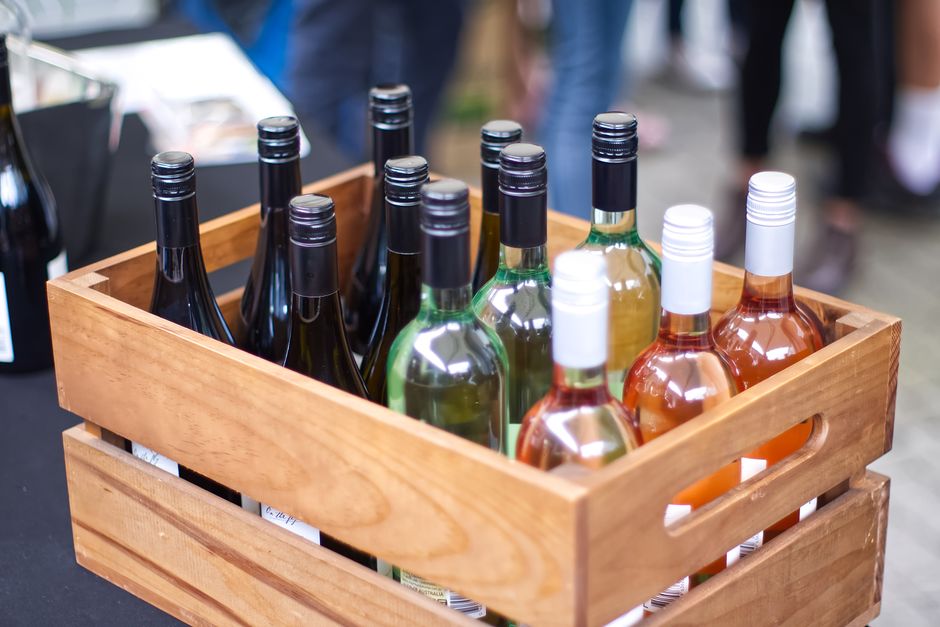
Unopened wine does not last forever, but it can stay drinkable for months or even years past the date on the label. The shelf life depends on the type of wine, how it was sealed, and where you store it. Most unopened wines do not become dangerous to drink, but they do lose flavor and aroma over time. A bottle that tastes flat, stale, or like vinegar has simply oxidized past its prime.
Do Unopened Wine Go Bad?
Yes, unopened wine goes bad, but not in the way most people think. It does not spoil like milk or develop harmful bacteria that make you sick. Instead, wine slowly changes chemically. The flavors fade, the color shifts, and the wine eventually tastes dull or sour.
An unopened bottle of wine is not a sealed time capsule. Oxygen gets through the cork or cap over time, even in small amounts. Heat speeds up this process. Light damages the compounds that give wine its flavor. These three factors — oxygen, heat, and light — are what make unopened wine go bad.
Most wines are made to be drunk within a few years of release. Only a small percentage of wines are crafted to improve with decades of aging. If you are holding onto a bottle hoping it will get better, check what kind of wine it is first.
How Long Does Unopened Wine Last?
The shelf life of unopened wine depends almost entirely on the type of wine and its closure. A cheap white wine stored in a warm kitchen will not last as long as a quality red stored in a cool dark closet.
Here are general timeframes for unopened wine stored in proper conditions — cool, dark, and away from temperature swings:
- Sparkling wine — 1 to 3 years past the vintage date
- Light white wines like Pinot Grigio or Sauvignon Blanc — 1 to 2 years past the vintage date
- Full-bodied white wines like Chardonnay — 2 to 3 years
- Rosé — 1 to 2 years
- Light red wines like Pinot Noir — 2 to 3 years
- Full-bodied red wines like Cabernet Sauvignon — 3 to 5 years
- Fortified wines like Port or Sherry — 3 to 5 years or longer
These are general ranges, not guarantees. A bottle stored on top of a refrigerator or in direct sunlight will age faster. A high-quality wine from a good vintage may last longer than these ranges. An inexpensive bottle may not last as long.
Does Wine Expire?
Wine does not have a true expiration date in the food safety sense. The dates you see on wine bottles are usually vintage dates — the year the grapes were harvested — not expiration dates. Some inexpensive wines carry a “best by” date, but that is a quality marker, not a safety warning.
Drinking expired wine will not make you sick. The alcohol and acidity in wine keep harmful bacteria from growing. The worst that happens is you take a sip and it tastes bad. Your body will not suffer any ill effects beyond the unpleasant flavor.
That said, a bottle that has been open for weeks can grow mold or develop a vinegar-like smell. That is a different situation from an unopened bottle. An unopened bottle that has gone bad will just taste flat, musty, or sour. It will not harm you.





What Makes Unopened Wine Go Bad Faster?
Storage conditions matter more than almost anything else. Three factors accelerate the decline of unopened wine.
Heat is the biggest enemy. Wine ages faster at higher temperatures. A bottle stored at 75°F will age noticeably faster than one stored at 55°F. Temperature swings are even worse. A kitchen cabinet that gets warm when you cook and cools down at night stresses the wine and the seal.
Light damages wine. Ultraviolet light breaks down the organic compounds that give wine its flavor and color. This is why wine bottles are colored glass. Clear glass bottles are the most vulnerable. Sunlight through a window can damage a bottle in a matter of weeks.
Oxygen slowly seeps in. Natural corks are porous. They let tiny amounts of oxygen into the bottle over time. This is actually part of how wine ages — a small amount of oxygen helps complex flavors develop. But too much oxygen ruins the wine. Screw caps and synthetic corks let in less oxygen, which is why wines with those closures often stay fresher longer.
Storing wine on its side is important for cork-sealed bottles. This keeps the cork moist. A dry cork shrinks and lets in more oxygen. Screw caps and synthetic corks do not need to be stored on their side.
How Can You Tell If Unopened Wine Has Gone Bad?
You cannot tell from the outside of the bottle. The wine could look fine and taste terrible. The only reliable way to know is to open it and check.
When you open a questionable bottle, start by smelling it. Wine that has gone bad often smells like vinegar, wet cardboard, or mold. These are signs of oxidation or a contaminated cork. A sharp, sour smell is a bad sign.
Then taste a small amount. Bad wine tastes flat, sour, or harsh. It loses the fruity and floral notes that make wine enjoyable. If it tastes like vinegar, it has oxidized too far to drink.
Some color changes are normal. Red wine naturally browns at the edges as it ages. White wine darkens to a deeper gold. These color shifts do not mean the wine is bad — they just indicate age. The taste is the real test.
Can You Drink Wine That Is Decades Old?
Some wines absolutely can be drunk decades after bottling. Top-quality wines from famous regions — Bordeaux, Burgundy, Barolo, vintage Port — are made to age for 20, 30, or even 50 years. These wines have the structure and acidity to develop complex flavors over time.
But most wines are not made this way. The majority of wine sold today is meant to be drunk within a few years. An inexpensive bottle of wine from 1995 is almost certainly past its prime. It will not hurt you, but it will not taste good either.
The distinction comes down to how the wine was made. Fine wines have high levels of tannin, acid, and sugar that act as preservatives. They also come from grape varieties and regions known for aging potential. Cheap wines lack these qualities and peak early.
If you have an old bottle and do not know its history, open it with low expectations. If it smells and tastes good, enjoy it. If it does not, there is nothing wrong with pouring it out.
How to Store Unopened Wine Properly
Proper storage extends the life of any wine. The ideal conditions are consistent and moderate.
Temperature: Aim for 50°F to 60°F. A wine fridge is ideal. A cool basement or closet works too. Avoid anywhere warm or prone to temperature swings.
Light: Keep wine out of direct sunlight and away from bright artificial light. A dark closet or cabinet is better than a countertop display.
Position: Store cork-sealed bottles on their side. This keeps the cork moist and the seal tight. Screw caps and synthetic corks can stand upright.
Humidity: Moderate humidity around 70% keeps corks from drying out. This matters less for short-term storage but matters for bottles you plan to keep for years.
Vibration: Keep bottles away from appliances that vibrate, like washing machines or refrigerators. Constant vibration can disturb the sediment in older wines.
Most homes do not have perfect wine storage. That is fine for short-term storage. If you plan to keep a bottle for more than a year or two, invest in a wine fridge or find a consistently cool, dark spot.
Does Opened Wine Go Bad Faster?
Yes, opened wine goes bad much faster than unopened wine. Once the bottle is open, oxygen hits the wine directly. The wine starts oxidizing immediately.
An opened bottle of white wine typically stays fresh for 3 to 5 days in the refrigerator. Red wine lasts 3 to 5 days in a cool, dark place. Sparkling wine loses its bubbles within a day or two even with a tight seal. Fortified wines last longer — often several weeks — because their higher alcohol content slows oxidation.
Using a vacuum pump to remove air from an opened bottle can extend freshness by a day or two. Some people use inert gas sprays to create a barrier between the wine and the air. These tools help but do not restore wine to its original state.
The simplest rule for opened wine: drink it within a few days. The wine will not make you sick after that, but it will taste noticeably worse.
Frequently Asked Questions
Can unopened wine make you sick?
No, unopened wine that has gone bad will not make you sick. The alcohol and acidity prevent harmful bacteria from growing. The worst outcome is an unpleasant taste.
Is wine still good after 10 years unopened?
Most wines are past their prime after 10 years, but they are still safe to drink. Only high-quality wines from good vintages are likely to taste good at that age.
Should unopened wine be refrigerated?
No, unopened wine should not be refrigerated for long-term storage. Refrigerator temperatures are too cold and the vibration can disturb the wine. A cool, dark closet or wine fridge is better.
How can you tell if unopened wine is still good?
You cannot tell without opening it. Smell the wine first — if it smells like vinegar, wet cardboard, or mold, it has gone bad. If it smells fine, taste a small amount to check the flavor.
