
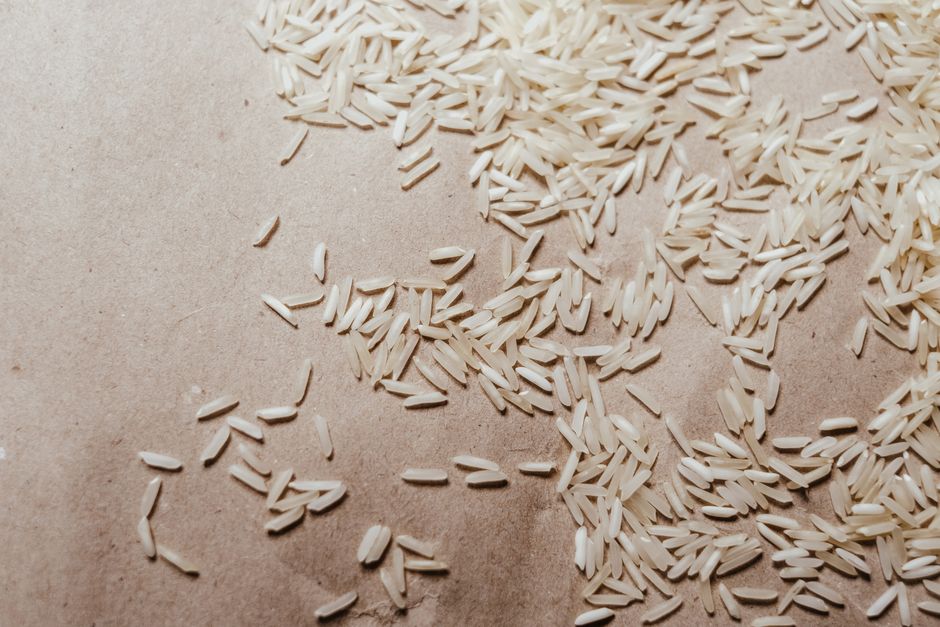
Yes, uncooked rice can go bad. Dry rice keeps for a long time because it contains very little water, but it is not immortal. White rice stored well can last for years. Brown rice turns rancid within months. And once rice gets damp, molds and bacteria can grow — including one that produces a heat-stable toxin that cooking does not destroy.
The key facts: dry rice spoils mainly through moisture, pests, and — in brown rice — fat oxidation. White rice is the most shelf-stable form. Brown rice has a shorter window because of its natural oils. And cooked rice is a separate, higher-risk story entirely, because it can support rapid bacterial growth.
What Actually Makes Uncooked Rice Go Bad?
Dry rice spoils for three main reasons: moisture, pests, and fat oxidation. Each one works differently, and each has a different warning sign.
Moisture is the biggest concern. Dry rice is safe largely because its water content is too low for most microbes to grow. When rice absorbs water from humid air, a leak, or condensation, that protection disappears. Molds can then grow, and some molds produce mycotoxins — toxic compounds that can cause illness.
Pests are a practical problem more than a safety one. Weevils, grain beetles, and pantry moths can infest rice. They do not usually make rice dangerous on their own, but they signal poor storage and often come with moisture and contamination.
Fat oxidation is why brown rice has a shorter shelf life. Brown rice keeps its bran layer, which contains natural oils. Over time those oils react with oxygen and turn rancid. This is a quality problem — rancid rice smells and tastes stale — rather than an acute safety issue.
How Long Does Uncooked Rice Last?
Shelf life depends almost entirely on the type of rice and how it is stored. These are general storage expectations, not official safety limits.
- White rice: Often good for years when kept dry and sealed. Some manufacturers print a best-by date of several years out.
- Brown rice: Typically best within about six months of purchase, and often sooner once opened. Refrigeration or freezing extends this.
- Wild rice: Behaves more like brown rice because of its oil content. Store it cool and use it within a similar window.
- Instant and parboiled rice: Generally shelf-stable for long periods, though quality fades over time.
These are guidelines, not guarantees. A bag stored in a hot, humid kitchen will not last as long as one kept cool and dry. Always treat the label date and your own senses as the real test.
Do Uncooked Rice Go Bad? How to Tell If Rice Has Spoiled
Your senses catch most spoiled rice before it becomes a safety problem. Check smell, appearance, and texture — in that order.
Smell. Fresh dry rice smells faintly starchy or neutral. Rancid brown rice smells oily, stale, or like old paint. A musty or moldy odor is a clear warning sign.
Appearance. Look for discoloration, dark patches, fuzzy growth, or clumping. Clumping often means moisture got in. Any visible mold means the rice should be thrown out — you cannot safely salvage it by rinsing or cooking.
Texture. Rice that feels damp, sticks together, or has lost its dry, loose flow is suspect. Dry rice should pour freely.
Pests. Small holes in grains, fine dust, or visible insects point to infestation. Sifting may remove insects, but heavy infestation usually means discarding the batch.
One important point: cooking does not make spoiled rice safe. Some mold toxins are heat-stable and survive normal cooking temperatures. If rice looks moldy or smells musty, discard it.
Is Moldy or Rancid Rice Dangerous?
Moldy rice can be genuinely dangerous. Rancid rice is mostly just unpleasant. The difference matters.
Some molds that grow on grains produce mycotoxins, which can cause illness and, with certain toxins, long-term health effects. This is why visible mold on rice is a discard situation, not a scrape-it-off situation. The toxins can spread through the grain beyond what you can see.
Rancid brown rice is a different case. Rancidity is oxidation of the natural oils, and it mainly affects taste and smell. It is not the same as mold contamination. That said, once rice has gone rancid it has usually been stored a long time, so it is worth checking for moisture and mold too.
If you are unsure whether rice is moldy or just old, err on the side of throwing it out. The cost of a bag of rice is not worth the risk of a mycotoxin exposure.
How Should You Store Uncooked Rice So It Lasts?
Keep rice dry, cool, and sealed, and it will last far longer. Moisture and warmth are what shorten its life.
- Use airtight containers. A sealed container or a well-closed original bag keeps out humidity and pests.
- Store in a cool, dark place. A pantry away from the stove and direct sunlight works well.
- Refrigerate or freeze brown rice. Because of its oils, brown rice keeps much better cold. Freezing also helps deter pests.
- Keep it dry. Do not store rice near a dishwasher, sink, or other moisture source.
- Buy in amounts you will use. This matters most for brown rice, which does not improve with age.
- Rotate stock. Use older rice first and check dates.
Freezing rice for a few days can kill insect eggs and larvae, which is a practical trick for preventing pantry infestations. Some people also add a bay leaf to stored grains, though the evidence that it reliably repels pests is limited.
Does Cooked Rice Have the Same Risks?
Cooked rice carries a different and more immediate risk than dry rice. Once rice is cooked, it is moist and warm — ideal conditions for bacterial growth.
A bacterium called Bacillus cereus is the main concern. Its spores survive cooking, and if cooked rice sits at room temperature, the bacteria can multiply and produce toxins that cause vomiting or diarrhea. These toxins are heat-stable, so reheating does not make unsafe rice safe.
The practical guidance is well established: refrigerate cooked rice promptly rather than leaving it out for long periods, and do not keep it at room temperature for extended stretches. Reheat thoroughly and discard rice that has been left out too long or smells off. This is a food-safety point that many people miss, because dry rice seems so sturdy that cooked rice feels equally forgiving. It is not.
The Bottom Line
Uncooked rice does go bad, but slowly and predictably. White rice stored dry and sealed can last for years. Brown rice is the fragile one, going rancid within months because of its natural oils. Moisture, pests, and mold are the real threats, and moldy rice should always be discarded because cooking will not make it safe.
Check your rice with your senses before cooking. Keep it dry, cool, and sealed. And treat cooked rice with more caution than dry rice, because the food-safety rules are stricter once water and heat are involved.
Frequently Asked Questions
Can you eat uncooked rice that is past its expiration date?
Often yes, if it has been stored dry and shows no signs of moisture, pests, or mold. The date is a quality guide, not a hard safety cutoff, so check smell and appearance first.
How can you tell if uncooked rice has gone bad?
Look for a musty or rancid smell, discoloration, clumping, dampness, or visible mold. Any mold means discard the rice, because cooking does not destroy all mold toxins.
Does brown rice go bad faster than white rice?
Yes. Brown rice keeps its bran oils, which turn rancid over time, so it has a shorter shelf life than white rice and stores better in the refrigerator or freezer.
Can you kill mold by cooking spoiled rice?
No. Some mold toxins are heat-stable and survive normal cooking temperatures, so moldy rice should be thrown out rather than cooked.
