
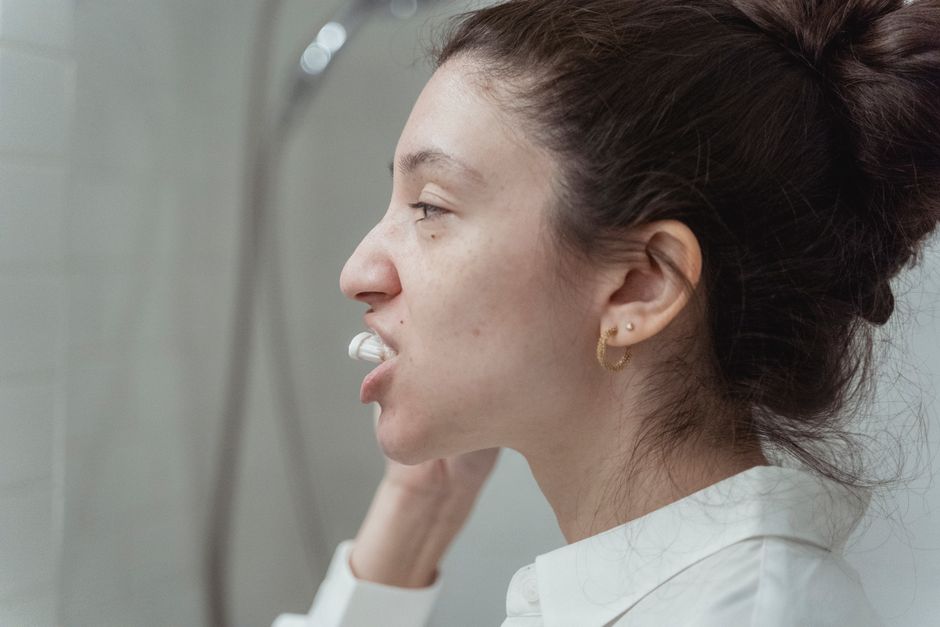
Putting toothpaste on a pimple is one of the most common home remedies around. Many people swear by it, but the truth is that it is not a safe or effective treatment for acne. While toothpaste can dry out a pimple, it also contains ingredients that irritate and damage your skin. Dermatoologists do not recommend it.
Why Do People Use Toothpaste on Pimples?
The idea comes from the ingredients in traditional toothpaste. Most toothpastes contain baking soda, hydrogen peroxide, alcohol, and menthol. These ingredients can dry out oils on the skin. When a pimple dries out, it may look less red and swollen. This temporary effect makes people believe the toothpaste is working.
However, drying out a pimple is not the same as treating acne. Acne is a skin condition that involves clogged pores, bacteria, and inflammation. Simply dehydrating the surface of the skin does not fix any of those underlying issues. It only masks the symptom for a short time.
What Happens When You Put Toothpaste on Your Skin?
Toothpaste is formulated for your teeth, not your skin. The pH level of toothpaste is much higher than the natural pH of your skin. Healthy skin is slightly acidic, which helps maintain its protective barrier. Toothpaste disrupts this balance.
Common reactions include redness, burning, and peeling. People with sensitive skin may develop contact dermatitis, which is a painful, itchy rash. The fluoride and flavoring agents in toothpaste are common irritants. Even if you do not feel immediate burning, the damage can appear hours later.
There is also a risk of making the pimple worse. When the skin around the pimple becomes irritated and swollen, the pore can become more clogged. This can turn a small pimple into a larger, more painful breakout.
Are Any Toothpaste Ingredients Actually Helpful for Acne?
Some toothpaste ingredients do have antibacterial properties. Triclosan, which was once common in toothpaste, kills bacteria. However, the FDA banned triclosan from over-the-counter antiseptic washes in 2016, and it is no longer a standard toothpaste ingredient. Most modern toothpastes rely on fluoride and abrasives instead.
Baking soda is another ingredient people associate with acne treatment. Baking soda can absorb oil, but it is too abrasive for facial skin. It strips the skin of its natural oils, which can trigger the skin to produce even more oil to compensate. This often leads to more breakouts.
Hydrogen peroxide can kill bacteria on the skin’s surface. But at the concentrations found in toothpaste, it is more likely to cause irritation than to provide any meaningful antibacterial benefit. The risk of skin damage outweighs any potential benefit.

What Should You Use Instead of Toothpaste?
Over-the-counter acne treatments are safer and more effective. Look for products containing benzoyl peroxide or salicylic acid. These ingredients are specifically formulated to treat acne without destroying your skin barrier.
Benzoyl peroxide kills the bacteria that cause acne and helps clear blocked pores. It is available in creams, gels, and washes at various strengths. It can cause dryness, so start with a lower concentration if you have sensitive skin.
Salicylic acid helps unclog pores by breaking down the dead skin cells that trap oil and bacteria. It is a common ingredient in cleansers and spot treatments. It works best when used consistently, not just as a spot treatment.
For occasional, mild breakouts, a warm compress can help. Applying a warm, damp cloth to the pimple for a few minutes can help bring it to a head and reduce inflammation. This is a gentle approach that does not damage the skin.
When Should You See a Dermatologist?
If you have frequent breakouts that do not respond to over-the-counter treatments, it is time to see a dermatologist. Acne is a medical condition, and a doctor can prescribe stronger treatments that are proven to work.
Prescription options include topical retinoids, antibiotics, and in some cases, oral medications. These treatments target the root causes of acne rather than just the surface symptoms. A dermatologist can also help you figure out what type of acne you have and which treatments are most likely to help.
If a pimple becomes painful, swollen, or shows signs of infection, seek medical advice. Signs of infection include increasing redness, warmth, and pus. Do not attempt to pop or drain an infected pimple at home, as this can spread the infection and cause scarring.
Does Toothpaste Help With Pimples in an Emergency?
Some people argue that toothpaste is a quick fix when they have nothing else on hand. This is not a good idea. The irritation toothpaste causes can make a pimple look worse within hours. You are better off leaving the pimple alone entirely than applying toothpaste to it.
Washing your face gently with a mild cleanser and applying a cold compress are safer immediate options. A cold compress can reduce swelling and redness without the harmful side effects of toothpaste. If you have no acne products available, do nothing rather than risk damaging your skin.
The evidence is clear: toothpaste is not an acne treatment. No clinical studies support its use for pimples. The only research on toothpaste and skin involves irritation and allergic reactions. Rely on products designed for acne instead.
The Bottom Line on Toothpaste for Pimples
Toothpaste does not help with pimples in any meaningful way. It may dry out the surface of a pimple temporarily, but it also irritates the skin, disrupts the skin barrier, and can make breakouts worse. The potential for harm far outweighs any cosmetic benefit.
If you are dealing with acne, use proven treatments like benzoyl peroxide and salicylic acid. These ingredients are backed by decades of research and are formulated for use on facial skin. If your acne is persistent or severe, see a dermatologist for professional care.
Your skin deserves better than a product made for your teeth. Skip the toothpaste and choose a treatment that actually works.
Frequently Asked Questions
Can toothpaste dry out a pimple?
Yes, toothpaste can dry out the surface of a pimple because of ingredients like alcohol and baking soda. However, this drying effect is temporary and comes with skin irritation that can make the pimple worse.
Is toothpaste safe to put on your face?
No, toothpaste is not safe for facial skin. It has a high pH and contains ingredients that can cause redness, burning, peeling, and contact dermatitis.
What is the fastest way to get rid of a pimple?
A spot treatment with benzoyl peroxide is one of the fastest proven options for reducing a pimple. A cold compress can also help reduce swelling while you wait for the treatment to work.
Why does my pimple look worse after using toothpaste?
Toothpaste irritates the skin around the pimple, causing swelling and inflammation. This irritation can clog the pore further and turn a small pimple into a larger, more painful breakout.
