
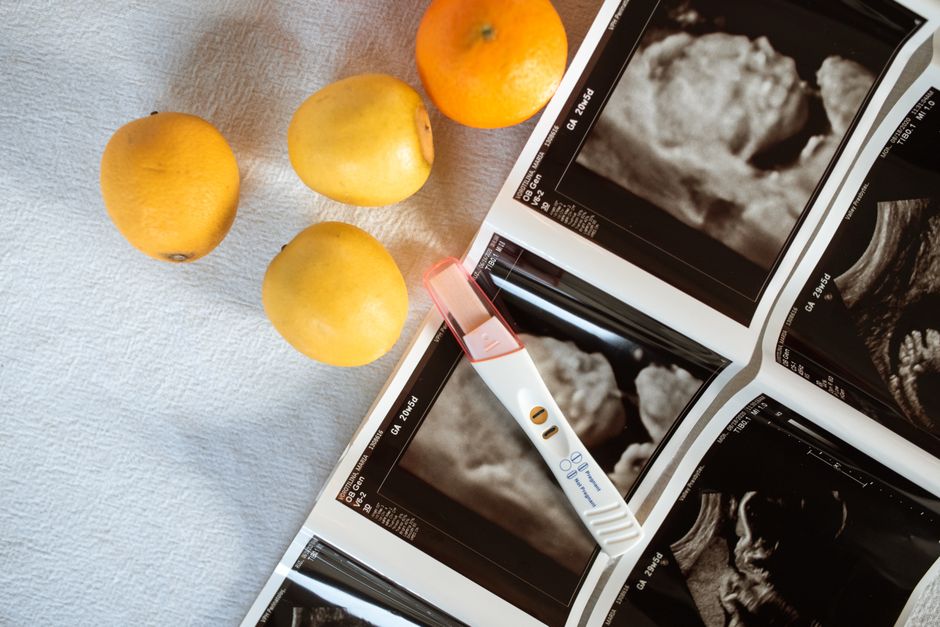
Dollar store pregnancy tests work. They detect the same hormone as the $15 test at the pharmacy, and they are subject to the same FDA rules. The difference is mostly packaging, brand name, and how many extras you get in the box.
That is the short answer. The longer answer involves what these tests actually measure, when they can fail, and a few real differences that are worth knowing about before you rely on one.
Do The Dollar Store Pregnancy Tests Work?
Yes. A dollar store pregnancy test detects human chorionic gonadotropin (hCG), the hormone the body produces after a fertilized egg implants in the uterus. So do the expensive ones.
In the United States, pregnancy tests sold over the counter are regulated as medical devices by the FDA. A test cannot be legally marketed to detect pregnancy unless it meets the agency’s accuracy standards. That requirement applies whether the test costs $1 or $20. A store brand does not get a pass because it is cheap, and a premium brand does not get extra credit for its price tag.
What you are paying for at the higher end is usually convenience and design, not chemistry. Digital tests that display the word “pregnant” cost more to make. Tests with a plastic handle, a wider absorbent tip, or a cap that snaps on are more expensive to produce. The underlying immunoassay — the chemical reaction that detects hCG — is fundamentally the same technology across the category.
How Accurate Are Cheap Pregnancy Tests Compared To Name Brands?
Most home pregnancy tests, cheap or expensive, detect hCG at a concentration of about 20 to 25 milli-international units per milliliter (mIU/mL) of urine. That is the standard sensitivity threshold the FDA expects for over-the-counter tests.
Some dollar store tests list their sensitivity right on the package. If a test claims to detect hCG at 25 mIU/mL, that is the same threshold as many drugstore brands. Some premium tests advertise sensitivity as low as 10 mIU/mL, which means they can theoretically turn positive slightly earlier. That is a real difference, but it is a small one, and it comes with a catch — see the next section.
Accuracy claims on the box generally refer to how the test performs when used correctly on the day of a missed period. Used that way, home pregnancy tests are highly accurate. The failures people report are more often about timing and technique than about the test itself.
Why Do Dollar Store Tests Sometimes Give Wrong Results?
Most wrong results trace back to testing too early, not to a defective test.
After a fertilized egg implants, the body starts producing hCG. Levels roughly double every 48 to 72 hours in early pregnancy. A test that needs 25 mIU/mL to turn positive cannot detect a pregnancy that has only produced 10 mIU/mL so far. Testing a few days before your missed period can produce a negative result that would have been positive a few days later.
Implantation timing varies between people and between cycles. That is why the standard advice is to test on the first day of a missed period, or a few days after. A negative result before that point does not rule out pregnancy.
Other causes of misleading results include:
- Testing with diluted urine. Drinking a lot of water before testing can lower hCG concentration below the detection threshold. First-morning urine is the most concentrated.
- Reading the test outside the window. Most tests specify a reading window, often around 3 to 5 minutes. A line that appears hours later — sometimes called an evaporation line — is not a positive result.
- Expired tests. The chemicals in the test strip degrade over time. Check the expiration date.
- Improper storage. Tests exposed to heat or moisture can lose sensitivity.
- Certain medications and medical conditions. Fertility drugs containing hCG can cause a false positive. So can some rare medical conditions. Blood in the urine or protein in the urine can occasionally interfere with results.
A false positive on a home test is uncommon but not impossible. If a test is positive and a follow-up test is negative, that warrants a call to a clinician rather than a guess about which one was right.




What Is The Difference Between A $1 Test And A $20 Test?
The gap is mostly about format and user experience, not detection ability.
| Feature | Typical dollar store test | Typical premium test |
|---|---|---|
| Detection method | hCG immunoassay | hCG immunoassay |
| Typical sensitivity | 20–25 mIU/mL | 10–25 mIU/mL |
| Display | Lines | Lines or digital words |
| Handle and grip | Minimal or none | Full plastic handle |
| Extras in box | Usually one test | Often two or three tests |
| Price per test | About $1 | $8 to $20 or more |
The reading method matters more than people expect. A line-based test requires you to interpret whether a faint second line is present. Digital tests remove that judgment call. If you have trouble seeing faint lines, or you have had ambiguous results before, a digital test can be worth the extra cost for that reason alone.
There is one more practical point. Because dollar store tests are cheap, you can buy several and test on consecutive days. That approach often gives a clearer answer than spending the same money on one premium test and testing once.
When Should You Test To Get The Most Reliable Result?
Test on the first day of a missed period. That is when hCG levels are high enough for most over-the-counter tests to detect reliably.
If you test earlier and get a negative result, wait two or three days and test again. hCG rises quickly in early pregnancy, so a test that reads negative today may read positive by the end of the week.
Use first-morning urine if you can. It has the highest hCG concentration because you have not been drinking fluids overnight. If that is not possible, avoid drinking large amounts of water in the hour or two before testing.
Follow the instructions on the specific test you bought. Reading windows, dip times, and urine volume requirements vary between brands, and those details affect accuracy more than the price of the test does.
Are There Any Reasons To Choose A More Expensive Test?
There are a few situations where a premium test has a genuine advantage.
If you need to test before your missed period — because of a medical appointment, a medication you take, or another time-sensitive reason — a test with a lower sensitivity threshold may detect pregnancy a day or two earlier. That is a narrow window, and even high-sensitivity tests can miss an early pregnancy.
If you have had trouble interpreting faint lines in the past, a digital test removes that uncertainty. It reads the result for you.
If you are tracking a pregnancy after fertility treatment, your clinic may give you specific instructions about which tests to use and when. Follow those instructions rather than a general rule.
For most people, most of the time, a dollar store test used correctly on the right day gives the same answer as a test that costs twenty times more.
What Should You Do After A Positive Or Negative Result?
A positive home test is a strong signal, but it is not a diagnosis. Confirm it with a clinician. A blood test can measure the exact hCG level, and an ultrasound can confirm the pregnancy and its location.
A negative test on the day of a missed period usually means you are not pregnant. If your period still does not arrive, test again in a few days. If your period remains absent and repeated tests are negative, talk to a clinician. There are reasons other than pregnancy for a missed period, including stress, significant weight change, thyroid problems, and certain medications.
If you have symptoms of an ectopic pregnancy — severe abdominal pain, shoulder pain, dizziness, or fainting — seek emergency care regardless of what a home test shows. Ectopic pregnancy is a medical emergency, and home tests cannot detect where a pregnancy is located.
Frequently Asked Questions
Are dollar store pregnancy tests as accurate as name brand tests?
Yes, when used correctly on the day of a missed period. Both are regulated by the FDA and typically detect hCG at the same threshold of about 20 to 25 mIU/mL.
Can a dollar store pregnancy test give a false negative?
Yes, most often because the test was taken too early or the urine was diluted. Waiting until the first day of a missed period and using first-morning urine reduces that risk.
How early can a dollar store pregnancy test detect pregnancy?
Most detect hCG at around 20 to 25 mIU/mL, which is usually reached by the first day of a missed period. Testing several days before that can produce a negative result even if you are pregnant.
Do I need to confirm a positive dollar store test with a doctor?
Yes. A home test detects hCG but cannot confirm the location or viability of a pregnancy. A clinician can confirm with a blood test or ultrasound.
