
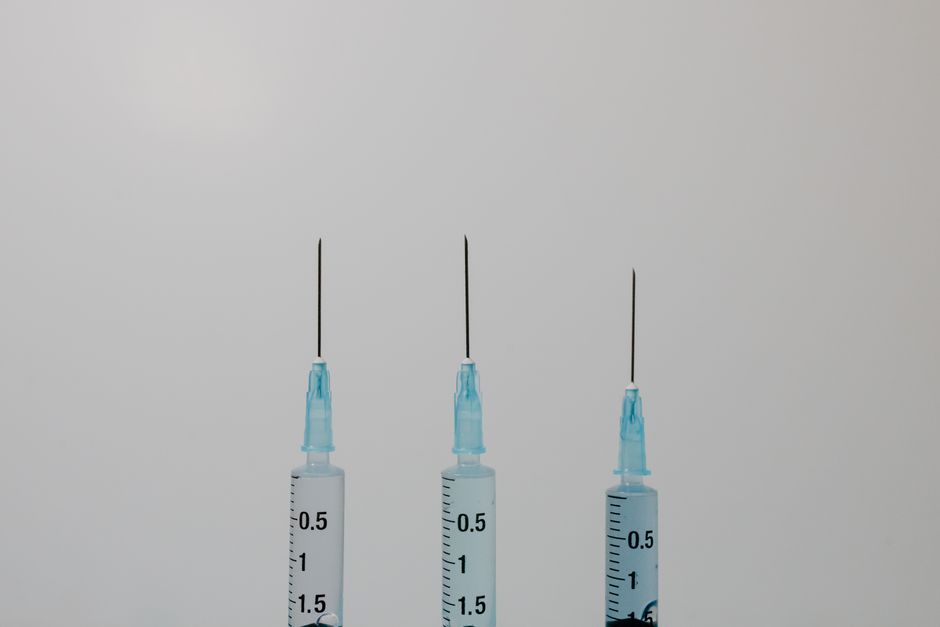
Testosterone shots can hurt, but for most people the pain is mild and brief. The injection itself feels like a quick pinch, and the spot may be sore for a day or two afterward. Serious pain is uncommon, and knowing what causes it and how to reduce it makes the experience easier to manage.
Testosterone replacement therapy is a real medical treatment, usually given to men whose bodies do not make enough testosterone. It comes as gels, patches, pellets, and injections. Shots are one of the most common forms because they deliver a steady dose and do not depend on daily routine. This guide covers what the injection feels like, where soreness comes from, how long it lasts, and the warning signs that mean you should call a doctor.
Do Testosterone Shots Hurt What To Expect During the Injection
The injection feels like a brief pinch followed by mild pressure. Most people describe it as less uncomfortable than a blood draw. The whole thing is over in seconds.
Testosterone injections are usually given into a large muscle. In clinical practice this is most often the gluteal muscle in the buttock, and sometimes the thigh muscle. The needle has to pass through skin and fat to reach muscle, and that passage is what you feel. A sharp sting happens as the needle enters. Some people feel a dull ache as the medicine goes in.
Needle size matters. Testosterone is often suspended in an oil, which is thicker than water-based solutions, so a slightly larger needle may be used than for a typical vaccine. A larger needle does not automatically mean more pain, but it can feel different. Your clinician chooses the needle based on where the shot goes and how much fluid is injected.
Numbing the skin first is an option. Some clinics apply a topical numbing cream before the injection. Others do not, because the pinch is so brief. If needle anxiety is a real problem for you, say so before the appointment. Clinicians deal with this often and can adjust their approach.
How Long Does Soreness Last After a Testosterone Shot?
Most soreness fades within one to two days. Some people feel nothing at all beyond the initial pinch. Others notice a tender spot that is uncomfortable when pressed or when sitting.
The soreness comes from two things. First, the needle creates a small amount of tissue trauma as it passes through. Second, the oil-based medicine sits in the muscle and is absorbed over time, which can cause a mild ache. This is a normal response, not a sign that something went wrong.
Mild swelling or a small bruise at the site is also common and usually resolves on its own. Warmth and slight redness right after the injection can happen too. These typically settle within a few days.
A hard, tender lump can sometimes form at the injection site. This is usually a small collection of fluid or a mild local reaction. Most resolve over days to weeks. If a lump is growing, hot to the touch, or not improving, have a clinician look at it.
What Makes Some Testosterone Injections More Painful?
Several factors can make a shot hurt more than usual, and most are manageable.
- Injection site. The buttock is generally less sensitive than the thigh for many people. Your clinician picks the site based on the medicine and your body.
- Technique. A steady hand, the right angle, and not moving the needle around all reduce discomfort. This is one reason technique matters as much as needle size.
- Muscle tension. A tense muscle hurts more. Relaxing the leg or glute before the injection helps.
- Injection volume. A larger volume of oil stretches the muscle more. Testosterone doses vary, so volume varies too.
- Frequency. Injections given less often may use a larger dose and volume. More frequent, smaller injections can feel different, though this depends on the specific prescription.
- Site rotation. Injecting the same spot repeatedly can cause more soreness and scar tissue over time. Rotating sites is standard practice.
One point people often miss: the pain of a testosterone shot is not a sign of how well the treatment is working. A painless injection and a sore one can deliver the same dose. Do not read anything into how much it hurt.





Can You Reduce Pain From Testosterone Injections?
Yes. A few simple steps reduce discomfort for most people.
Relax the muscle before the injection. Tension is one of the biggest contributors to pain. If you are tense about needles, tell your clinician. Slow, steady breathing helps some people.
Apply a cold pack to the site for a short time after the injection if it feels sore. Cold reduces swelling and numbs the area. Some people prefer a warm pack instead, especially for muscle aches. Either can help, and neither is harmful when used briefly.
Move the muscle gently afterward. Light activity, like walking, can help the medicine disperse and reduce stiffness. Avoid heavy lifting with the injected muscle right after the shot.
Do not rub or massage the site vigorously. Gentle pressure is fine, but hard rubbing can increase irritation.
If you self-inject at home, get proper training first. Technique matters, and a clinician or nurse can show you the right angle, depth, and site rotation. Self-injection is common for some testosterone products, but it should be taught, not guessed.
When Should You Worry About Pain After a Testosterone Shot?
Most soreness is harmless. Some signs mean you should contact a clinician.
Seek medical advice if you notice:
- Pain that gets worse over several days instead of better
- Spreading redness, warmth, or swelling at the site
- Fever or chills
- A lump that grows or becomes very tender
- Pus or drainage from the injection site
- Numbness, tingling, or weakness in the limb that was injected
These can signal a local infection or nerve irritation, both of which need evaluation. Injection site infections are not common with proper technique, but they can happen. Early treatment matters.
Numbness or tingling right after a shot can mean the needle came close to a nerve. This usually resolves, but it should be reported so your clinician can adjust future injections.
What Else Should You Expect From Testosterone Therapy?
The injection is only part of the picture. Testosterone therapy affects the whole body, and understanding the broader effects helps you judge whether it is right for you.
Testosterone is a prescription treatment, not a supplement. It is used for men with confirmed low testosterone, a condition called hypogonadism. Diagnosis involves blood tests, usually taken in the morning when testosterone levels are highest, and often repeated to confirm. Symptoms like low energy, low sex drive, and reduced muscle mass can overlap with many other conditions, so testing matters.
Testosterone therapy can raise red blood cell counts, which is why clinicians monitor bloodwork during treatment. It can also affect blood pressure and other markers. These are reasons therapy is managed with regular follow-up rather than a one-time prescription.
Fertility is a major consideration. Testosterone therapy can suppress sperm production, and this effect can be significant. Anyone who wants to have children should discuss this with a clinician before starting. This is well established and is one of the most important conversations to have early.
Testosterone therapy is not a treatment for general fatigue, aging, or low motivation in men with normal levels. The evidence does not support using it for those purposes, and it carries real risks. Some online sellers market testosterone products with claims that go far beyond what studies show. Be skeptical of anyone promising broad benefits without a diagnosis and monitoring.
How Do Testosterone Shots Compare to Other Forms?
Shots are one option among several. Each form has tradeoffs in convenience, steadiness of levels, and skin or needle concerns.
| Form | How it is given | Things to know |
|---|---|---|
| Injection | Into muscle, at intervals set by your clinician | Involves a needle; levels can rise and fall between doses depending on the product |
| Gel | Applied to skin daily | No needle; requires daily routine and care to avoid transferring to others |
| Patch | Applied to skin daily | No needle; can cause skin irritation |
| Pellets | Placed under the skin by a clinician | No daily routine; requires a procedure and is replaced at intervals |
The right choice depends on your preferences, your clinician’s judgment, and how your body responds. Some people dislike needles and prefer gels. Others find daily gels hard to stick with and prefer the schedule of injections. There is no single best form for everyone.
Frequently Asked Questions
Do testosterone shots hurt a lot?
Most people feel a brief pinch during the injection and mild soreness for a day or two afterward. Serious pain is uncommon.
How long does soreness last after a testosterone injection?
Most soreness fades within one to two days. A small bruise or tender spot can take a little longer to settle.
Can I reduce pain from testosterone injections?
Relaxing the muscle, using a cold or warm pack briefly, and gentle movement afterward can help. Proper technique and rotating sites also reduce discomfort.
When should I call a doctor about injection site pain?
Call if pain worsens over several days, or if you see spreading redness, swelling, fever, pus, or numbness in the limb. These can signal infection or nerve irritation.
