
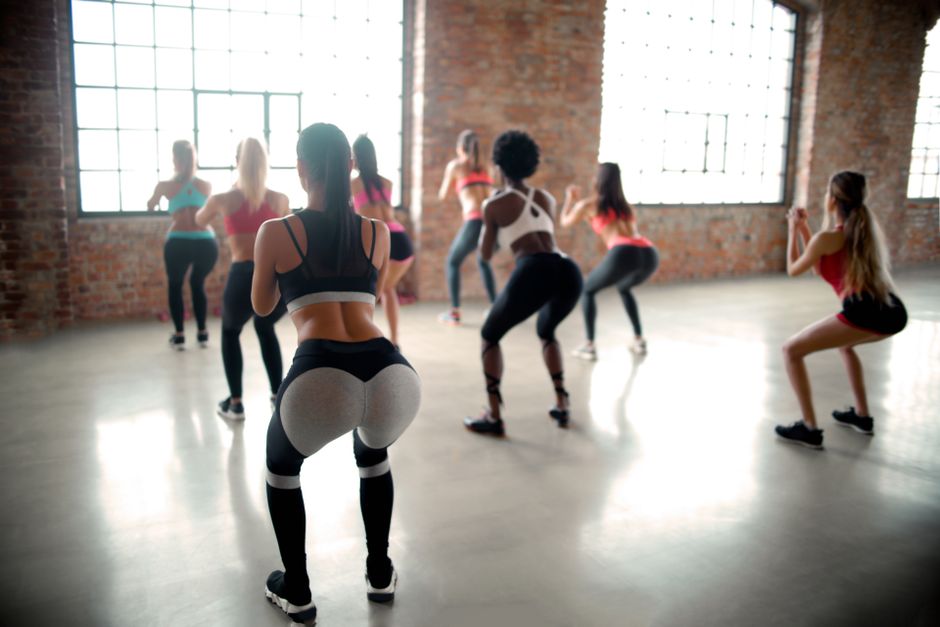
Yes, squats work the glutes. The gluteus maximus is the largest muscle in the human body, and it is a primary mover in every squat variation. Electromyography (EMG) studies — which measure the electrical activity inside a muscle during movement — consistently show high glute activation during squatting. How much you feel it, and how much it grows, depends on depth, load, stance, and how often you train.
That is the short answer. The longer answer explains why some people squat for years and still have flat glutes, and what the research actually says about getting more from the movement.
Do Squats Work Glutes? What Research Says
Squats are a compound lower-body movement, and the glutes are one of the main muscles driving the motion. When you stand up from a squat, your hip extends — the angle at the hip joint opens. Hip extension is the primary job of the gluteus maximus. That is why the muscle fires hard during the ascent.
EMG research has compared squat variations and found the glutes consistently active, though activation levels vary by depth, load, and stance. The gluteus medius and minimus, smaller muscles on the side of the hip, also contribute by stabilizing the pelvis and controlling the knee. So squats train all three glute muscles, not just the largest one.
One clarification worth making: feeling a muscle burn does not prove it is doing the most work. EMG measures electrical activity, not growth. A movement can produce high activation and still lead to modest muscle growth if the load or training volume is too low. Activation and hypertrophy are related but not the same thing.
How Deep Should You Squat to Target Glutes?
Deeper squats generally produce more glute activity than shallow ones. When you descend below parallel — hips lower than knees — the hip flexes further, and the gluteus maximus is stretched and then required to contract through a longer range. EMG studies have repeatedly found greater glute activation in deep squats compared with partial or half squats.
That does not mean everyone should squat to the floor. Depth is limited by hip anatomy, ankle mobility, and comfort. A squat that is deep for you may be shallow for someone else. The practical rule: go as deep as you can while keeping your heels down, your spine neutral, and your knees tracking roughly over your toes.
If deep squats cause pain in the knees, hips, or lower back, that is a signal to adjust, not to push through. A qualified coach or a physical therapist can help you find a depth that works for your body.
Do Squat Variations Hit the Glutes Differently?
Different squat styles shift how much work the glutes and other muscles do. The table below summarizes what EMG research generally shows.
| Squat Variation | Glute Emphasis | Notes |
|---|---|---|
| Back squat (barbell) | High | Heavy loads; glutes and quads share the work |
| Front squat | Moderate | More upright torso shifts load toward quads |
| Deep squat (below parallel) | Higher | Longer hip range increases glute demand |
| Wide-stance squat | Higher for glute medius | May increase lateral hip muscle activity |
| Bodyweight squat | Moderate | Lower load; useful for beginners and endurance |
A front squat is not a “bad” glute exercise. It simply places more demand on the quadriceps because the torso stays more upright. If glute growth is your main goal, the back squat and deep variations tend to offer more direct stimulus. Wide stances appear to recruit the gluteus medius more, based on EMG findings, though the size of that difference varies between studies.
Are Squats Enough for Glute Growth on Their Own?
For many people, squats alone are not the most efficient way to build glutes. They are an excellent compound movement, but the glutes respond to a mix of heavy loading and hip-focused isolation. Research on muscle hypertrophy shows that growth depends on progressive overload — gradually increasing weight, reps, or difficulty over time — plus adequate volume and protein intake.
Squats deliver overload to the glutes, but the quadriceps often fatigue first. That means your glutes may stop short of the stimulus they could handle. Adding hip-dominant movements can help fill that gap. Examples include:
- Romanian deadlifts, which load the glutes through hip hinge motion
- Hip thrusts, which isolate hip extension with the back supported
- Bulgarian split squats, which train one leg at a time with a deep hip range
- Step-ups, which combine hip extension with single-leg stability
None of these replace squats. They complement them. A program that combines squats with hip-dominant work tends to cover the glutes more completely than squats alone.
Why Do Some People Feel Squats in Their Quads, Not Glutes?
Where you feel a squat depends on your mechanics, your mobility, and your technique. If your torso stays very upright and your knees travel far forward, the quadriceps take on more of the work. If you sit back into the squat and drive through your heels, the hips and glutes contribute more.
Ankle mobility matters here. People with stiff ankles often cannot sit back without falling backward, so they shift their knees forward instead. That shift loads the quads. Improving ankle flexibility can change how a squat feels and where the work lands.
Hip structure also plays a role. Some people have hip joints that limit how far they can sit back or how wide their stance can go. This is anatomy, not a flaw in effort. Working with your natural mechanics usually beats forcing a position that does not fit your body.
How Often Should You Squat to Build Glutes?
General strength training guidance supports training each major muscle group roughly two to three times per week. For the glutes, that might mean squatting once or twice a week and adding hip-dominant work on other days. Spacing sessions allows recovery, which is when muscle growth actually happens.
Volume matters too. Research on hypertrophy suggests that multiple sets per muscle group per week support growth, though the exact optimal number varies by individual and training experience. Beginners can grow on less. Experienced lifters often need more.
Progress should be gradual. Adding weight or reps too quickly raises injury risk without speeding results. A modest increase over weeks and months is the standard approach in strength training.
What Else Matters for Glute Development?
Training is the main driver, but it does not work in isolation. Protein intake supports muscle repair and growth. General nutrition guidance for active adults emphasizes adequate daily protein spread across meals, though individual needs vary by body weight and activity level.
Sleep and recovery matter as well. Muscle grows during recovery, not during the set itself. Chronic poor sleep and high stress can blunt training adaptations, based on general exercise physiology research.
Genetics also shape glute size and shape. Some people build glutes more easily than others. That is not a reason to skip training — it is a reason to set realistic expectations and stay consistent.
Frequently Asked Questions
Do squats grow glutes or just tone them?
Squats can build glute muscle when combined with progressive overload and adequate nutrition. “Toning” is not a separate process — it is muscle growth with reduced body fat, so squats contribute to both when part of a full program.
Are bodyweight squats enough to build glutes?
Bodyweight squats can build some glute strength, especially for beginners, but they usually lack the load needed for ongoing growth. Adding resistance or progressing to weighted squats is typically necessary to keep building muscle over time.
How long does it take to see glute growth from squats?
Visible muscle changes typically take several weeks to months of consistent training, and the timeline varies widely between people. Strength gains often appear before visible size changes.
Do squats work the gluteus medius?
Yes, the gluteus medius is active during squats because it helps stabilize the pelvis and control the knee. Wider stances and single-leg variations tend to place more demand on it.
