
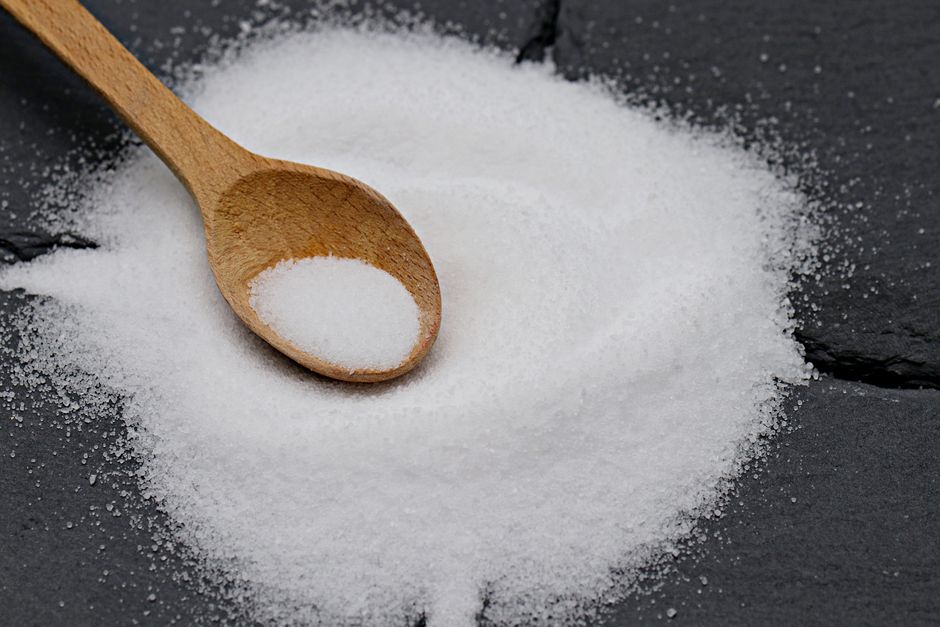
Sodium does not make you fat. It contains no calories and cannot be converted into body fat. What sodium does do is cause your body to hold onto water, which can add a few pounds on the scale overnight and make you look puffier than usual. That weight is water, not fat, and it behaves very differently.
This distinction matters because millions of people blame salt for weight they cannot lose. They cut sodium, see the scale drop, and assume they have burned fat. They have not. Understanding what sodium actually does — and what it does not do — helps you read the scale honestly.
Do Sodium Make You Fat?
No. Sodium has zero calories and plays no direct role in fat storage. Body fat accumulates when you consistently eat more calories than you burn, and sodium does not change that equation on its own.
What sodium does is regulate fluid balance. When you eat a salty meal, your body temporarily retains water to keep the concentration of sodium in your blood within a narrow, safe range. That extra water shows up on the scale. It can also make your face, hands, and ankles look swollen.
The confusion comes from timing. A high-sodium meal often comes with high-calorie food — restaurant meals, processed snacks, takeout. The weight gain people notice after those meals gets blamed on salt when the calories are the real cause. Sodium is the passenger, not the driver.
There is one indirect path worth knowing. Very salty food tends to taste good and can make you eat more of it. If salty snacks push your total calorie intake above what you burn, that is how fat accumulates. The sodium itself is not the mechanism — the extra calories are.
Why Does the Scale Go Up After Salty Food?
Water retention is the entire explanation. Your body tightly controls how much sodium circulates in your blood, and it uses water to dilute excess sodium. Drink more water, hold more water — the scale climbs.
This is normal physiology, not a sign anything is wrong. A single salty meal can add a noticeable amount of temporary water weight. The number depends on the person, the meal, and how much fluid they drink alongside it. It is not fat, and it does not stay.
Several things affect how much water you retain:
- How much sodium you ate compared to your usual intake
- How much water and other fluids you drank
- Hormonal shifts, including the menstrual cycle
- How much potassium and other electrolytes you consumed
- Certain medications and medical conditions
When sodium intake drops back to normal, the kidneys excrete the excess sodium and the attached water. The scale returns to baseline, usually within a few days. No fat was gained and no fat was lost.
Water Weight vs. Fat: What Is the Difference?
Fat and water are stored differently and respond to different things. Fat represents stored energy. Water is fluid your body moves around constantly to maintain balance.
Burning fat requires a sustained calorie deficit over time. Losing water weight requires only a change in sodium, carbohydrate intake, or hydration — sometimes within a day. This is why crash diets and saunas can drop several pounds fast. Almost none of it is fat.
The reverse is also true. You can gain several pounds of water in a day without eating a single extra calorie of fat. This is why daily weigh-ins can be misleading and why trends over weeks matter far more than any single reading.
One practical point: if you are trying to lose fat, do not celebrate a sudden drop after cutting salt. And do not panic about a sudden jump after a salty dinner. Neither reflects what is happening to your body fat.




How Much Sodium Should You Actually Eat?
Federal dietary guidelines in the United States recommend keeping sodium intake under 2,300 milligrams per day for most adults. That equals about one teaspoon of table salt. The average American consumes considerably more than that.
These recommendations exist for blood pressure and heart health reasons, not weight control. The link between high sodium intake and elevated blood pressure is well established. The link between sodium and body fat is not.
Some people are more salt-sensitive than others. Their blood pressure responds more strongly to sodium intake. Age, genetics, and existing health conditions all play a role. If you have high blood pressure or heart or kidney disease, your clinician may recommend a lower target than the general guideline.
No clinical guidelines currently support cutting sodium specifically to lose fat, because sodium does not cause fat gain. Reducing sodium may help you feel less bloated and see a more stable scale, but that is a cosmetic and comfort effect, not fat loss.
Does Cutting Sodium Help You Lose Weight?
Cutting sodium can make the scale drop, but that drop is water. It is not fat loss, and it reverses as soon as your sodium intake returns to normal.
This is where a lot of diet advice goes wrong. Programs that push aggressive sodium restriction often produce fast early results that look impressive. The results do not last because they were never fat loss to begin with.
There is a legitimate reason to watch sodium that has nothing to do with fat. High sodium intake is associated with elevated blood pressure, and managing blood pressure matters for long-term heart and kidney health. That is a real benefit. It is just a different benefit than weight loss.
If your goal is fat loss, the levers that matter are total calorie intake, the quality of your diet, physical activity, sleep, and consistency over months. Sodium is not one of those levers for fat. It is a lever for fluid balance and blood pressure.
What Actually Causes Fat Gain?
Fat gain comes from eating more calories than you burn over time. That is the core mechanism, and it holds regardless of how much sodium is in your food.
Many factors influence how easily that calorie surplus happens:
- Portion sizes and the calorie density of your food
- How often you eat out or order takeout
- Sugary drinks and alcohol, which add calories without filling you up
- Physical activity level
- Sleep quality and stress, which affect appetite and food choices
- Certain medications and medical conditions
Notice that sodium is not on that list as a cause. High-sodium foods often overlap with high-calorie foods, which creates the illusion of a direct link. Separate the two and the picture gets clear.
If you want to lose fat, focus on the calorie side of the equation. Track what you eat for a week or two. Most people find the surplus is coming from a handful of specific foods or drinks, not from the salt shaker.
Does Sodium Cause Bloating and Puffiness?
Yes. Sodium causes temporary fluid retention, which can make you look and feel puffy. This is real, but it is not fat, and it resolves on its own.
The puffiness tends to show up in the face, hands, and ankles. It is usually most noticeable after a particularly salty meal, like restaurant food or processed snacks. Drinking more water can actually help, because it supports the kidneys in clearing excess sodium.
Potassium matters here too. Potassium and sodium work together to balance fluid in your body. Foods rich in potassium — bananas, potatoes, beans, leafy greens — can help offset a high-sodium meal. This is established nutrition science, not a trick.
Persistent swelling is a different situation. If you have ongoing puffiness, especially in the legs or ankles, or if it comes with shortness of breath or rapid weight changes, that warrants a medical evaluation. Fluid retention can signal heart, kidney, or liver issues that have nothing to do with a salty dinner.
Should You Cut Back on Sodium Anyway?
Cutting back on sodium is worth doing for blood pressure and heart health, not for fat loss. Those are separate goals, and it helps to keep them separate in your mind.
The most effective way to reduce sodium is not to stop salting your food at the table. Most sodium in the typical American diet comes from processed and restaurant foods. Reading labels and cooking more at home usually moves the number more than putting down the shaker.
If you reduce sodium, expect the scale to drop a little in the first few days. That is water leaving. Do not mistake it for fat loss, and do not be discouraged when it levels off. The health benefit to your blood pressure is the real prize here.
For fat loss, keep your attention on calories, food quality, activity, and time. Sodium is a side character in that story, no matter how much the scale seems to say otherwise after a salty meal.
Frequently Asked Questions
Does sodium make you gain fat?
No. Sodium contains no calories and cannot be turned into body fat. Any weight gain after a salty meal is water retention, which reverses within days.
Why do I weigh more after eating salty food?
Your body retains water to balance the extra sodium in your blood. This is normal fluid regulation, not fat gain, and it clears once sodium levels return to normal.
How long does water weight from sodium last?
Usually a few days. Once your sodium intake returns to your usual level, the kidneys excrete the excess sodium and the water that came with it.
Can cutting sodium help me lose weight?
It can make the scale drop by a few pounds of water, but that is not fat loss. For fat loss, the factors that matter are calorie intake, diet quality, and activity.
