
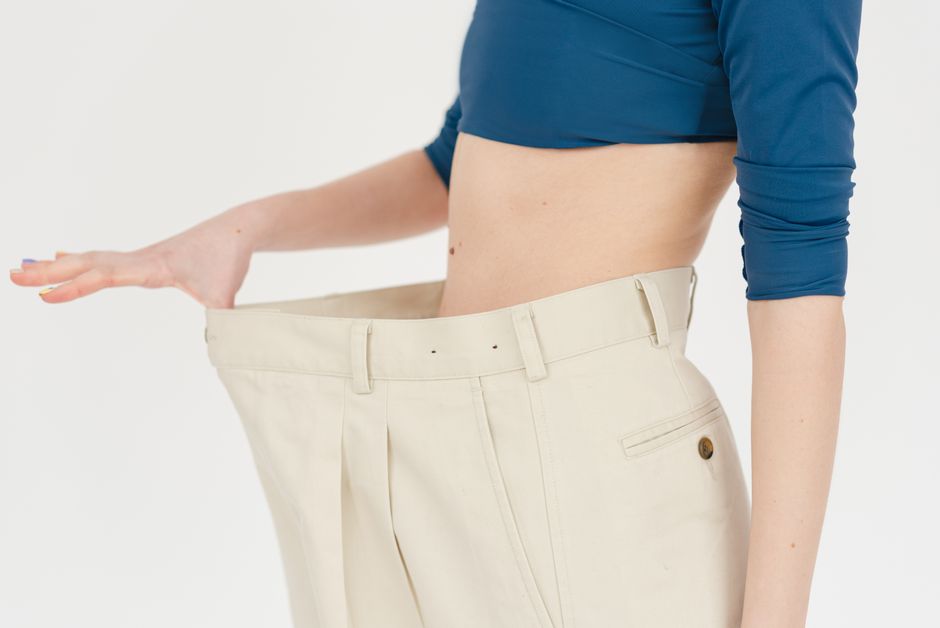
Situps do not help with belly fat. They strengthen the abdominal muscles, but they do not burn fat from the belly or anywhere else. Spot reduction — the idea that working a muscle burns the fat sitting on top of it — is not how the human body works.
That answer surprises people. It also frustrates them. Situps are the first exercise most of us learned for a flat stomach, and the movement itself is fine. It is just being asked to do a job it cannot do.
Here is what situps actually do, why belly fat behaves the way it does, and what the evidence supports instead.
Why Can’t You Burn Fat From One Spot?
Fat is stored energy, and your body releases it through a process controlled by hormones, not by whichever muscle happens to be working.
When you need energy, fat cells break down stored triglycerides and release fatty acids into the bloodstream. Those fatty acids travel to wherever the body needs fuel. The muscle you are exercising does not get first claim on the fat stored directly above it. The fat comes from all over, in proportions largely determined by genetics, sex, and hormones.
This is why a tennis player can have a muscular dominant arm and still carry fat on both arms. It is why thousands of situps have never produced a visible six-pack in someone who still has fat covering the muscle.
Where your body prefers to store fat is largely inherited. Men often store more in the abdomen. Women often store more in the hips and thighs. After menopause, fat distribution in women tends to shift toward the abdomen. No exercise changes that pattern directly.
What Do Situps Actually Do?
Situps train the hip flexors and the abdominal muscles, particularly the rectus abdominis — the muscle running down the front of your torso.
That muscle can get stronger and thicker with training. Strength here supports trunk stability, which helps with lifting, bending, and carrying. It matters for daily function and for many sports.
What situps do not do is change the layer of fat sitting over that muscle. A stronger rectus abdominis underneath the same layer of fat looks exactly the same from the outside. Muscle grows beneath fat. Fat does not shrink because the muscle beneath it got stronger.
There is also a practical drawback. Repeated spinal flexion — the rounding forward motion of a situp — loads the lower back. Some clinicians and researchers have raised concerns that high-volume situps may contribute to lower back strain in people who already have back issues. The evidence on situps specifically causing injury is not settled, but many fitness professionals now favor exercises that train the core without repeatedly flexing the spine.
Does Spot Reduction Work at All?
Spot reduction does not work. This is one of the more consistent findings in exercise science.
Researchers have studied it directly. Some studies trained one limb heavily and measured fat in that limb versus the untrained side. Others looked at abdominal exercise programs and measured abdominal fat. The pattern holds: training a muscle does not preferentially reduce the fat above it.
Some studies suggest a small local effect may exist in certain conditions, but the effect is minor and inconsistent. It is not something to build a plan around.
The honest summary: if you want less fat around your middle, the fat has to come off your whole body. Abdominal exercise is not the lever.




What Actually Reduces Belly Fat?
Belly fat responds to the same things that reduce fat elsewhere: a sustained calorie deficit, adequate protein, and regular physical activity.
Two types of belly fat matter here. Subcutaneous fat sits just under the skin. Visceral fat wraps around the internal organs deeper in the abdomen. Visceral fat is the more metabolically active and the more strongly linked to health risks, including cardiovascular disease and type 2 diabetes. It also tends to respond relatively well to weight loss compared with some other fat deposits.
A few things the evidence supports:
- Calorie deficit. Eating fewer calories than you burn is the foundation. Without it, no exercise reliably reduces fat.
- Aerobic activity. Brisk walking, cycling, swimming, and similar activity increase energy expenditure and support fat loss when paired with a deficit. This is the exercise category with the strongest evidence for reducing visceral fat.
- Strength training. Resistance training helps preserve muscle during weight loss. Muscle loss during dieting can slow progress over time.
- Adequate protein. Protein supports muscle retention and tends to increase satiety, which can make a deficit easier to maintain.
- Sleep. Short sleep is associated with higher body weight and increased appetite in observational research. The relationship is real, though the exact mechanisms are still being studied.
None of these are fast. Fat loss happens at a rate your body sets, and it slows as you lose. That is normal, not failure.
Are Situps Worth Doing at All?
Situps are not useless. They are just not a fat loss tool.
If your goal is a stronger core, situps can be part of that. They are not the only option and probably not the best one. Exercises like planks, dead bugs, bird dogs, and carries train the core to resist movement rather than create it. Many trainers consider that more functional and easier on the spine.
If your goal is a flatter stomach, situps will not get you there. You can do them every day for a year and still see no change in the fat covering your abs. That is not a failure of effort. It is a mismatch between the exercise and the goal.
One clarification worth making: a “flat stomach” and a “strong core” are two different targets. People often chase the first while actually needing the second. Core strength supports your back, your posture, and your ability to move well. Visible abs are mostly a function of body fat percentage, which is driven by diet and overall energy balance.
How Long Does It Take to See a Difference?
There is no reliable timeline that applies to everyone. Fat loss rates vary widely based on starting point, calorie deficit size, activity level, sleep, stress, medications, and genetics.
What can be said with confidence: changes in belly fat follow changes in overall body fat, and overall body fat changes slowly. Weeks, not days. Consistency over months matters more than any single workout.
Some people lose abdominal fat faster than others. Some lose it last, after fat comes off the arms, face, or legs. This order is largely genetic and not something you can train around.
If you are doing everything right and seeing nothing after a reasonable stretch of consistent effort, that is worth a conversation with a doctor. Thyroid function, medications, and other medical factors can affect weight and fat distribution.
What Should You Do Instead of Situps?
Build a plan around the goal you actually have.
If the goal is less belly fat: focus on a sustainable calorie deficit, regular aerobic activity, strength training to preserve muscle, and enough protein and sleep to support the process. Abdominal exercises can be included, but they are not the driver.
If the goal is a stronger core: choose exercises that challenge stability and resist movement. Planks, side planks, dead bugs, bird dogs, and loaded carries are common choices. Situps can stay in the mix if they do not cause back discomfort.
If the goal is both: do both, but understand they are separate jobs. Core training builds the muscle. Diet and overall activity reduce the fat. Neither one substitutes for the other.
The most common mistake is spending all the effort on the muscle and none on the fat. That is the trap situps set. It feels productive because it is hard and it burns. But effort is not the same as effect.
Frequently Asked Questions
Do situps help with belly fat?
No. Situps strengthen abdominal muscles but do not reduce fat anywhere on the body, including the belly. Fat loss requires an overall calorie deficit, not targeted exercise.
Can you spot reduce belly fat with exercise?
No. Research on spot reduction has consistently found that training a specific muscle does not preferentially burn the fat above it. Fat is released from stores throughout the body based on hormones and genetics.
What is the fastest way to lose belly fat?
There is no fast method that is also safe and lasting. A sustained calorie deficit combined with regular aerobic activity and strength training is the approach with the strongest evidence, and it works gradually over weeks and months.
Are situps bad for your back?
They can strain the lower back in some people because they repeatedly flex the spine under load. The evidence on situps directly causing injury is not settled, but many trainers now recommend core exercises that avoid repeated spinal flexion.
