
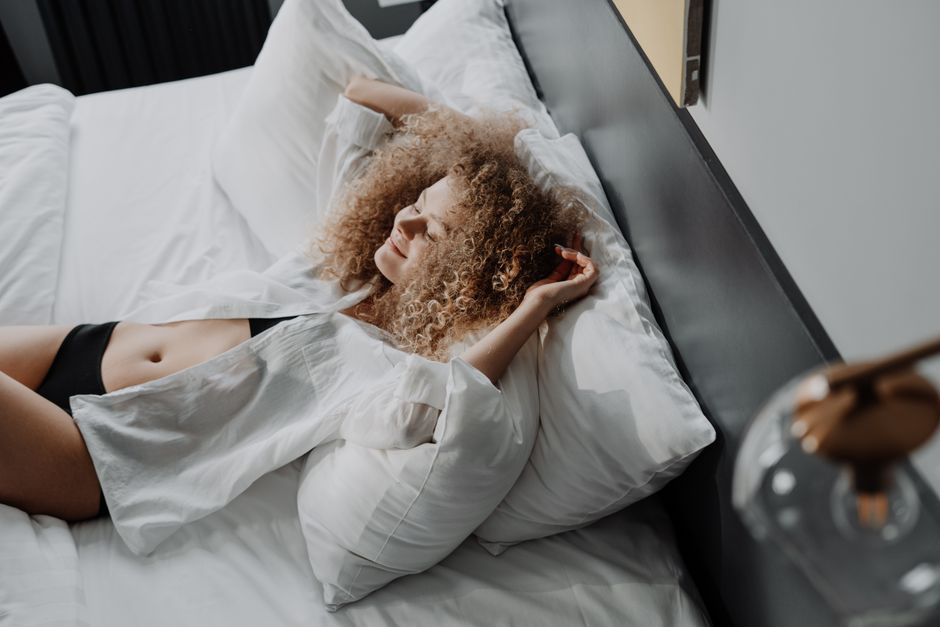
Silk pillowcases are often promoted as a beauty essential, but do they actually help with acne? The short answer is that silk pillowcases may help reduce some types of acne breakouts, but they are not a cure or a standalone treatment. The benefit comes down to friction, absorbency, and hygiene, not any magical property of the fabric itself. For most people, switching to silk is a minor improvement, not a solution to persistent acne.
How Can a Pillowcase Affect Your Skin?
Your face presses against a pillowcase for seven to nine hours a night. That contact matters. Cotton pillowcases are woven from short fibers that create a rougher surface. When you move in your sleep, that rough surface rubs against your skin. This friction is called sleep lines or mechanical stress.
For people with acne, friction can irritate the skin and worsen breakouts. This is a well-documented type of acne called acne mechanica. It happens when physical pressure, rubbing, or heat triggers or aggravates pimples. Athletes get it from helmets and shoulder pads. You can get it from a rough pillowcase.
Silk is a smooth, tightly woven fabric with long fibers. It creates much less friction than cotton. This reduced rubbing means less mechanical irritation on your skin overnight. For someone whose acne is aggravated by friction, this can make a real difference.
What About Absorbency and Skin Hydration?
Cotton is highly absorbent. It soaks up moisture from your skin, including your natural oils and any skincare products you apply before bed. This can leave your skin drier. Dry skin can trigger your skin to produce more oil to compensate, which can clog pores and lead to breakouts.
Silk is less absorbent than cotton. It does not pull moisture away from your skin the same way. This helps your skin retain its natural moisture and keeps your nighttime skincare products on your face where they belong. Keeping your skin hydrated is important for maintaining a healthy skin barrier, and a healthy barrier is more resilient against acne.
However, there is a downside to lower absorbency. If you sweat heavily at night or apply thick creams, silk will not absorb that excess moisture. Trapped sweat and product residue can sit on your skin, which can also contribute to clogged pores. Silk is better for hydration, but it is not automatically better for everyone.
Is Silk More Hygienic Than Cotton?
This is where the evidence gets more complicated. Silk is naturally hypoallergenic and resistant to dust mites and mold. These properties are beneficial for people with allergies or sensitive skin. But when it comes to acne, the hygiene factor is about what accumulates on the fabric, not the fabric itself.
Both cotton and silk collect dead skin cells, sweat, sebum, and bacteria from your face and hair every night. No fabric is self-cleaning. A silk pillowcase that is not washed regularly will harbor the same acne-causing bacteria as a dirty cotton one.
Some research suggests that silk’s smooth surface makes it harder for bacteria to cling to compared to cotton’s rough fibers. This could mean less bacterial buildup on the surface your face touches. But this is not a substitute for washing. The most important hygiene habit is washing your pillowcase, whether it is silk or cotton, at least once a week. Using a fresh pillowcase every two to three days is even better for acne-prone skin.
What the Research Actually Shows
Clinical studies specifically examining silk pillowcases and acne are limited. Most of the evidence is indirect. Dermatologists understand the mechanics of friction and acne, and they understand how absorbency affects skin hydration. But a large, controlled trial proving silk pillowcases reduce acne has not been published.
Some small studies have looked at silk pillowcases for skin aging and wrinkles. The logic is the same: less friction means less skin distortion during sleep. These studies have shown some benefit for skin smoothness, but they did not measure acne outcomes specifically.
What the evidence does support is that reducing physical irritation and maintaining skin hydration are beneficial for acne-prone skin. Silk pillowcases address both of these factors. The conclusion is that silk may help, but the direct proof is missing. This is an honest assessment. Silk is not a clinically proven acne treatment.
Silk vs. Satin: Know the Difference
Many products sold as “silk” pillowcases are actually satin. Satin is a weave, not a fiber. Satin can be made from polyester, nylon, or other synthetic materials. Polyester satin is much cheaper than real silk, and it is also a plastic-based fabric.
Synthetic satin can trap heat more than natural silk. It may also have a chemical finish that can irritate sensitive skin. If you want the benefits of silk, you need to look for 100% mulberry silk with a high momme count, which indicates fabric density. A momme count of 19 to 25 is considered good quality for pillowcases.
Real silk is also a natural protein fiber with temperature-regulating properties. It keeps you cooler in summer and warmer in winter. This temperature control can reduce night sweating, which is another factor that can aggravate acne. Synthetic satin does not offer the same breathability.
Other Pillowcase Materials Worth Considering
Silk is not the only option. If silk is too expensive or you prefer other materials, consider these alternatives:
- Bamboo viscose: Smooth and breathable, with lower friction than cotton. It is also highly absorbent, which can be good or bad depending on your skin type.
- High-thread-count cotton: A 600-thread-count cotton percale is much smoother than standard cotton. It offers a middle ground between cost and friction reduction.
- Copper-infused pillowcases: Some research suggests copper may have antibacterial properties, but clinical evidence for acne improvement is very limited. These are more marketing than science.
Your pillowcase choice matters, but it is one small factor in a larger acne management plan. The fabric you sleep on will not overcome a poor skincare routine, hormonal imbalances, or an unhealthy diet.
Practical Tips for Using Silk Pillowcases for Acne
If you decide to try silk, here is how to get the most benefit:
- Wash your silk pillowcase by hand or on a gentle cycle with a mild detergent. Harsh chemicals can break down the silk fibers and reduce its smoothness.
- Change your pillowcase at least once a week. If you have active breakouts, change it every two to three days.
- Do not use fabric softener. It leaves a residue that can clog pores and irritate skin.
- Wash your face and apply your skincare products before bed, then allow them to dry before lying down. This prevents product transfer to the pillowcase.
- Keep your hair clean and pulled back. Hair products and oils transfer to the pillowcase and then to your face.
Silk pillowcases require more care than cotton. They are not machine-wash-and-dry items. If you do not follow care instructions, the fabric degrades quickly and loses its smoothness, which defeats the purpose entirely.
Do Silk Pillowcases Help With Acne: The Bottom Line
Silk pillowcases can help with acne, but the effect is modest. They reduce friction, preserve skin moisture, and may harbor fewer bacteria than cotton. These are all positive factors for acne-prone skin. However, silk does not treat the underlying causes of acne, such as excess oil production, hormonal changes, or bacterial overgrowth.
For someone with mild acne aggravated by friction or dryness, switching to silk could reduce breakouts. For someone with moderate to severe acne, silk is not enough. You need a proper skincare routine with proven ingredients like benzoyl peroxide or salicylic acid, and possibly prescription treatments from a dermatologist.
Silk is a reasonable addition to an acne care routine, not a replacement for one. If you have the budget and you are willing to care for the fabric properly, it is worth trying. Just keep your expectations realistic and continue your other acne management practices.
Frequently Asked Questions
How often should I wash a silk pillowcase for acne?
Wash it at least once a week, and every two to three days if you have active breakouts. Dirty pillowcases collect oils, dead skin, and bacteria that can worsen acne regardless of the fabric.
Is a satin pillowcase as good as silk for acne?
Not exactly. Satin is a weave, not a fiber, and most satin pillowcases are made from polyester. Polyester traps heat and may irritate sensitive skin, while real silk is more breathable and naturally smooth.
Can silk pillowcases cure acne?
No. Silk pillowcases reduce friction and moisture loss, which can help with some breakouts, but they do not treat the root causes of acne. Acne requires a proper skincare routine or medical treatment.
Do silk pillowcases help with wrinkles too?
Some small studies suggest lower-friction fabrics like silk may reduce sleep lines and skin distortion. The evidence is limited, but the same mechanism that reduces friction for acne also applies to wrinkle prevention.
