
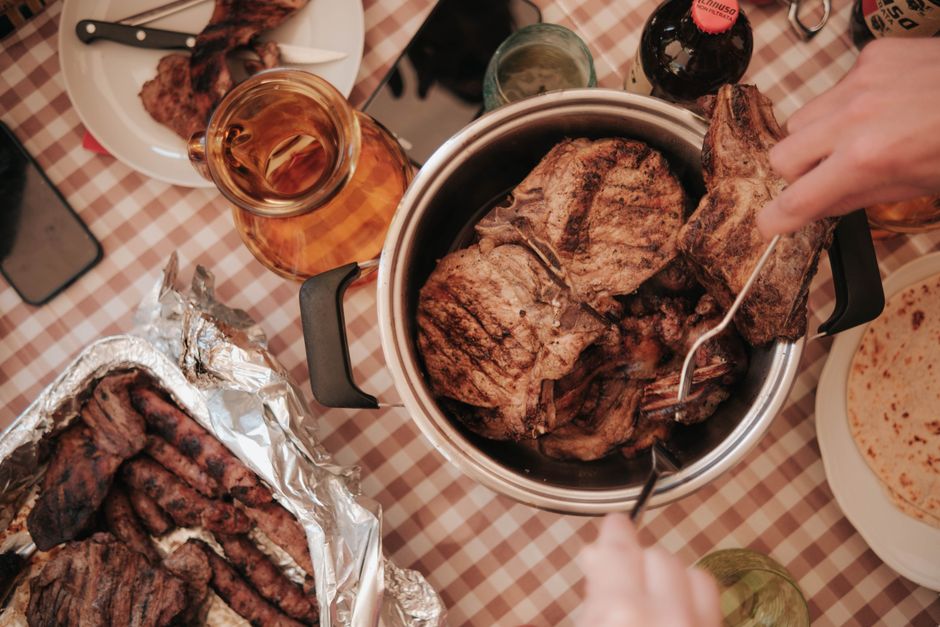
The short answer is: it depends on the meat, the amount, and your overall diet. Processed red meats like bacon and sausage are more clearly linked to markers of inflammation. Fresh, unprocessed red meat like steak or lamb chops shows a more complicated picture in the research. The evidence does not support the idea that all red meat causes inflammation in everyone, but it does suggest that how you eat it matters a great deal.
What Does the Research Actually Say About Red Meat and Inflammation?
Many studies have looked at the link between red meat and inflammation. The results are not as simple as a single headline. Researchers usually separate red meat into two categories: processed and unprocessed. This distinction is crucial.
Processed meats include bacon, ham, hot dogs, salami, and deli meats. These products are preserved by smoking, curing, or adding chemical preservatives. Studies consistently find a positive association between high intake of these meats and higher levels of inflammatory markers in the blood, such as C-reactive protein (CRP).
Unprocessed red meat is beef, pork, lamb, and veal that has not been modified. The research here is less consistent. Some observational studies link high consumption to higher inflammation. Others find no significant effect. The difference often comes down to how the meat is prepared and what is eaten alongside it.
How Could Red Meat Cause Inflammation in the Body?
There are a few biological pathways that researchers have identified. One involves a molecule called Neu5Gc. This is a sugar molecule found naturally in red meat. Humans do not produce it. When you eat red meat, your immune system can recognize Neu5Gc as a foreign substance. This triggers an immune response, which is a form of inflammation.
Another pathway involves the gut microbiome. When you digest red meat, your gut bacteria produce certain byproducts. One of these is trimethylamine N-oxide, often called TMAO. High levels of TMAO in the blood are associated with inflammation and cardiovascular disease. However, the level of TMAO produced varies widely from person to person based on their individual gut bacteria.
Finally, cooking method matters. Cooking meat at high temperatures, such as grilling or pan-frying, creates advanced glycation end products (AGEs) and heterocyclic amines. These compounds can promote inflammation. The more charred or well-done the meat, the more of these compounds are formed.
Is Processed Meat Worse Than Fresh Red Meat for Inflammation?
Yes. The evidence is much stronger for processed meats. The preservatives used in these products, particularly nitrates and nitrites, are a key factor. These additives can form compounds called nitrosamines in the body. Nitrosamines are known to cause oxidative stress and inflammation.
Processed meats also tend to be higher in sodium and saturated fat than fresh cuts. High sodium intake can contribute to high blood pressure, which stresses the cardiovascular system. This stress is closely tied to systemic inflammation.
Fresh red meat does not contain these added preservatives. For this reason, most dietary guidelines treat processed and unprocessed red meat differently. The strongest health warnings are almost always reserved for processed varieties.





Does the Type of Red Meat or the Cut Matter?
The composition of the meat changes how it affects your body. Fatty cuts of beef, such as ribeye or T-bone, contain more saturated fat than lean cuts like sirloin or tenderloin. High saturated fat intake is linked to increased inflammatory markers in some studies.
Grass-fed beef is often marketed as healthier than grain-fed beef. It does contain a better ratio of omega-3 to omega-6 fatty acids. However, no large human trials have confirmed that grass-fed beef reduces inflammation compared to grain-fed beef. The difference in fat composition is real, but the clinical effect on inflammation remains unproven.
Lamb and pork have different fatty acid profiles than beef. Pork tenderloin is quite lean. Lamb is often higher in fat. The general principle remains the same: leaner cuts and smaller portions are less likely to contribute to inflammatory processes.
How Much Red Meat Is Too Much?
Portion size and frequency matter more than avoiding red meat entirely. Most major dietary guidelines recommend limiting red meat consumption rather than eliminating it. The general clinical direction is to eat red meat in moderation.
For most healthy adults, eating a small portion of fresh red meat a few times per week is unlikely to cause measurable inflammation. A standard serving size is about 3 ounces, which is roughly the size of a deck of cards. Eating processed meat daily, or consuming very large portions of red meat regularly, is where the risks increase.
If you have an inflammatory condition like rheumatoid arthritis or inflammatory bowel disease, your tolerance may be lower. Some people with these conditions report symptom flares after eating red meat. This is not universal, but it is common enough that many clinicians suggest a trial elimination period to see if symptoms improve.
What Is the Difference Between Correlation and Causation in This Research?
This is a critical point. Most of the research linking red meat to inflammation is observational. This means researchers ask people what they eat and then track their health outcomes. These studies can show a correlation, but they cannot prove causation.
People who eat a lot of red meat often have other habits that promote inflammation. They may smoke more, exercise less, drink more alcohol, or eat fewer fruits and vegetables. These factors are called confounders. They make it hard to isolate red meat as the single cause of inflammation.
Randomized controlled trials, where people are assigned to eat or avoid red meat, are fewer and shorter. They often show smaller effects than observational studies suggest. This gap between correlation and causation is a major reason why the scientific community does not universally agree on red meat’s inflammatory effects.
Does Cooking Method Change the Inflammatory Effect?
Yes, cooking method has a significant impact. High-heat cooking methods create more inflammatory compounds. Grilling, broiling, and frying at high temperatures cause the formation of AGEs. These compounds accumulate in tissues and promote oxidative stress.
Gentler cooking methods produce fewer of these compounds. Stewing, slow-cooking, boiling, or cooking at lower temperatures in a covered pan are better choices. Marinating meat before grilling can also reduce the formation of harmful compounds. Acidic marinades containing lemon juice or vinegar seem to be particularly effective.
If you grill meat often, avoid eating the charred or blackened portions. These parts contain the highest concentration of inflammatory compounds. Trimming visible fat before cooking can also help reduce the formation of these substances.
What Are the Best Alternatives If You Want to Reduce Inflammation?
If you are trying to lower inflammation, replacing some red meat with other protein sources is a well-supported strategy. Fatty fish like salmon, mackerel, and sardines are rich in omega-3 fatty acids. These fats are known to have anti-inflammatory effects.
Plant-based proteins like beans, lentils, chickpeas, and tofu are also excellent choices. They provide protein without the saturated fat and Neu5Gc found in red meat. They also contain fiber, which supports a healthy gut microbiome and may reduce inflammation.
You do not need to give up red meat completely. Swapping processed meats for fresh cuts, choosing leaner options, and limiting portions are all reasonable steps. The goal is not perfection. It is reducing the overall inflammatory load on your body while still enjoying foods you like.
Frequently Asked Questions
Does eating red meat every day cause inflammation?
Daily consumption of red meat, especially processed varieties, is associated with higher inflammatory markers in observational studies. Occasional consumption of fresh, lean red meat is less likely to have a measurable effect.
Can cutting out red meat reverse inflammation?
Eliminating red meat may lower inflammatory markers for some people, but it is not a guaranteed cure. Other factors like sleep, stress, exercise, and overall diet quality play equally important roles.
Is grass-fed beef less inflammatory than regular beef?
Grass-fed beef has a better fatty acid profile, but no human trials have confirmed it reduces inflammation more than grain-fed beef. The theoretical benefit is real, but the clinical evidence is not yet established.
Are eggs or chicken considered inflammatory like red meat?
White meat poultry and eggs are not associated with the same inflammatory markers as processed red meat. They do not contain the same compounds like Neu5Gc that trigger immune responses in some people.
