
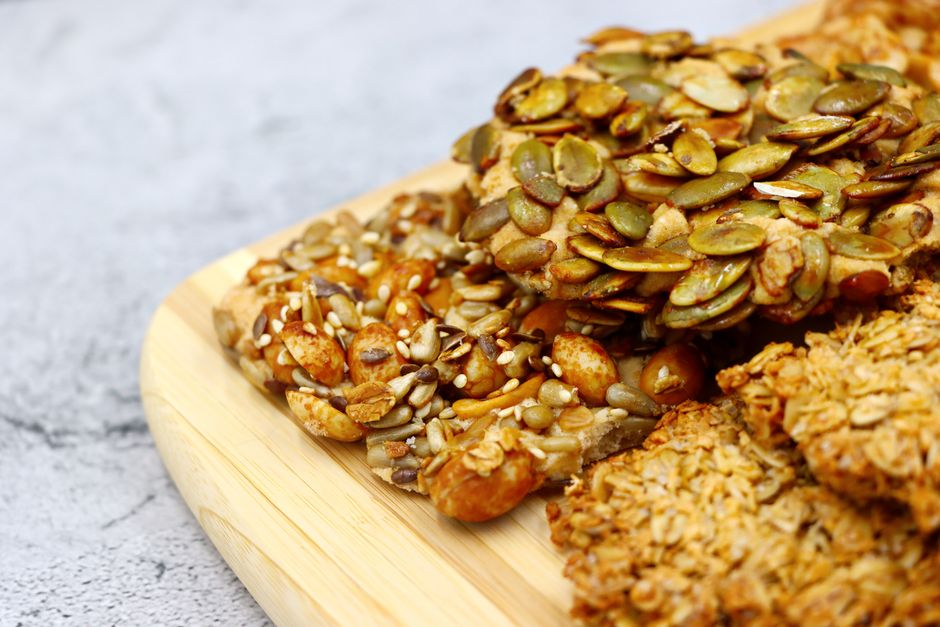
A protein bar can make you feel full, but the bar itself is rarely the reason. What fills you up is a mix of protein, fiber, fat, and total calories working together. Many popular bars are low in fiber and high in sugar alcohols, which can leave you hungry again within an hour.
If you have ever eaten a protein bar, felt satisfied for twenty minutes, and then started hunting the pantry, you are not imagining it. The feeling of fullness comes from specific signals your body sends after eating. Some bars trigger those signals well. Others do not.
Do Protein Bars Make You Feel Full?
Yes, but only under certain conditions. A protein bar will make you feel full if it delivers enough protein, enough fiber, and enough total calories to trigger your body’s satiety signals. A bar with 20 grams of protein and 10 grams of fiber will do this far better than a bar with 10 grams of protein and 2 grams of fiber.
The word “protein” on the wrapper tells you very little. Food manufacturers are not required to meet any minimum protein threshold to call something a protein bar. Some bars on the market contain less protein than a single egg.
Fullness is not one sensation. It has at least two parts. One is physical: your stomach stretches when food arrives, and stretch receptors send signals to your brain. The other is hormonal: your gut releases peptides like GLP-1 and PYY after eating, and these tell your brain you have had enough. Protein and fiber both influence these hormonal signals. Sugar and refined carbohydrates influence them much less.
This is why two bars with the same calorie count can produce very different levels of fullness. The macronutrient composition matters as much as the total calories.
What Makes a Protein Bar Actually Satisfying?
Protein content is the strongest predictor of fullness from a bar. Protein takes longer to digest than carbohydrates and triggers stronger satiety hormone release. Research consistently shows that protein is the most satiating macronutrient when compared gram for gram with fat or carbohydrates.
Fiber comes second. Soluble fiber slows digestion and adds bulk. It also feeds gut bacteria that produce short-chain fatty acids, which may further influence appetite signaling. A bar with 5 grams of fiber or more will generally keep you fuller than one with 1 or 2 grams.
Fat slows stomach emptying, which extends the feeling of fullness. This is why bars with nuts, nut butter, or coconut oil often feel more satisfying than low-fat versions, even at the same protein content.
Total calories still matter. A 100-calorie bar, no matter how well-formulated, will not keep most adults full for long. A 250-calorie bar with good protein and fiber will.
- Protein: Look for at least 15 grams. More is generally better for fullness.
- Fiber: Aim for 5 grams or more. Under 3 grams offers little satiety benefit.
- Fat: Some fat helps. Zero-fat bars tend to digest quickly.
- Sugar alcohols: High amounts can cause bloating and gas, which some people mistake for fullness.
- Total calories: Under 150 calories is unlikely to satisfy an adult for more than a short time.
Why Some Protein Bars Leave You Hungry
The most common reason a protein bar fails to satisfy is that it is essentially a candy bar with added protein. These bars tend to be high in sugar, low in fiber, and moderate in protein. Your blood sugar rises, then falls, and the fall can trigger hunger.
Sugar alcohols are another factor. Many low-carb and low-sugar bars use erythritol, maltitol, or sorbitol to add sweetness without sugar. These compounds are poorly absorbed in the small intestine. They can cause gas, bloating, and loose stools in some people. That discomfort is not the same as fullness, and it does not signal your brain that you have eaten enough.
Bars that are mostly collagen protein are a third issue. Collagen is an incomplete protein. It lacks tryptophan, one of the amino acids your body needs to make serotonin, which plays a role in appetite regulation. Some evidence suggests collagen may be less satiating than complete proteins like whey or soy, though the research on this specific comparison is limited.
Finally, liquid-like textures digest faster. A soft, chewy bar with little fat or fiber moves through your stomach quickly compared with a dense bar containing nuts and seeds.





How Protein Bars Compare to Whole Food Snacks
Whole foods generally produce more fullness per calorie than processed bars. This is not a moral judgment about processed food. It is about structure. Whole foods like nuts, eggs, Greek yogurt, and apples retain their physical structure, which slows eating and digestion.
That said, a well-formulated protein bar can outperform a poor whole-food choice. A bar with 20 grams of protein and 8 grams of fiber will keep you fuller than a banana, which has about 1 gram of protein and 3 grams of fiber. Context matters.
The table below shows approximate values for common snack options. These are general reference figures, not precise measurements, since brands vary widely.
| Snack | Protein (approx.) | Fiber (approx.) | Fullness potential |
|---|---|---|---|
| High-protein, high-fiber bar | 20 g | 8 g | High |
| Low-protein candy-style bar | 5 g | 1 g | Low |
| Greek yogurt (1 cup) | 20 g | 0 g | Moderate to high |
| Handful of almonds | 6 g | 3 g | Moderate |
| Banana | 1 g | 3 g | Low |
When Should You Eat a Protein Bar for Fullness?
Timing changes how full a bar makes you feel. A bar eaten as a snack between meals will generally satisfy less than a bar eaten as part of a meal or right before a period when you cannot eat.
If you eat a bar and then sit down to a full meal an hour later, the bar adds calories without adding much satiety. The meal would have filled you up anyway.
Bars work best in specific situations:
- As a bridge between lunch and a late dinner
- After a workout when you need protein but cannot eat a full meal
- During travel when better options are not available
- As a backup when a meal will be delayed by several hours
Drinking water with a bar helps. Fiber absorbs water and expands, which increases stomach stretch. A bar eaten dry with no fluids may sit differently than one eaten with a full glass of water.
Eating slowly matters too. Most people finish a bar in two or three minutes. Stretch receptors in your stomach need time to signal your brain. A bar eaten in 30 seconds registers differently than one eaten over 10 minutes.
Do Protein Bars Help With Weight Management?
The evidence here is mixed. Protein bars can support weight management if they replace a higher-calorie snack and help you eat less later. They can work against it if they add extra calories on top of what you already eat.
Some studies suggest that higher-protein snacks can reduce calorie intake at the next meal. Other studies show no meaningful difference. Results vary based on the bar’s composition, the person’s overall diet, and how hungry they were before eating it.
What the evidence does not support is the idea that protein bars are a weight-loss tool on their own. No bar overrides a diet that consistently provides more calories than the body uses. This is basic energy balance, and it holds regardless of how much protein a product contains.
If weight management is your goal, a bar is best used as a planned replacement for something else, not as an addition. Read the calorie count and compare it with what you would have eaten instead.
How to Read a Protein Bar Label for Fullness
The front of the package is marketing. The nutrition panel and ingredient list are where the useful information lives.
Start with protein grams per bar, not per serving. Some packages list two servings per bar, which doubles the numbers you see. A bar that says “10g protein” may actually contain 20 grams if the whole bar is one serving, or only 10 grams if you eat half.
Next, check fiber. Then check total calories. Then scan the ingredient list for sugar alcohols if you are sensitive to them. Common names include erythritol, maltitol, sorbitol, xylitol, and isomalt.
Look at the first three ingredients. If sugar, corn syrup, or glucose syrup appears first or second, the bar is likely carbohydrate-dominant. That does not make it unhealthy, but it will probably not keep you full for long.
Protein source matters for completeness. Whey, casein, soy, and egg are complete proteins. Pea and rice are incomplete on their own but complementary when combined. Collagen is incomplete and low in tryptophan.
Are There Downsides to Relying on Protein Bars?
For most healthy adults, an occasional protein bar is not a concern. The issues arise with frequent reliance.
Some bars contain added fibers like chicory root fiber or inulin in amounts that cause bloating and gas. Others contain sugar alcohols that trigger digestive discomfort. These effects vary widely between individuals.
Protein bars are also not a substitute for a varied diet. They lack many micronutrients found in whole foods, including certain vitamins, minerals, and phytonutrients. A bar can fill a gap, but it cannot replace the range of foods your body needs.
People with kidney conditions should talk to a doctor before increasing protein intake significantly, including from bars. For most healthy adults, higher protein intakes within reasonable ranges are not harmful, but individual medical situations vary.
If you have diabetes, check with your healthcare provider about how specific bars affect your blood sugar. Sugar alcohols and fiber can influence glucose response in ways that vary by product and by person.
Frequently Asked Questions
Do protein bars actually make you feel full?
They can, if they contain enough protein, fiber, and calories to trigger your body’s satiety signals. Bars low in fiber and high in sugar or sugar alcohols often do not keep you full for long.
How much protein does a bar need to keep you full?
There is no official threshold, but bars with at least 15 grams of protein tend to satisfy better than those with less. Complete proteins like whey and soy are generally more satiating than collagen.
Why do I feel hungry right after eating a protein bar?
A bar that is mostly sugar and low in fiber can cause a blood sugar rise and fall that triggers hunger. Soft textures and low calorie counts also digest quickly and provide little stomach stretch.
Are protein bars better than whole food snacks for fullness?
Usually not. Whole foods like nuts, eggs, and yogurt generally produce more fullness per calorie because their physical structure slows digestion. A well-formulated bar can still beat a poor whole-food choice.
