
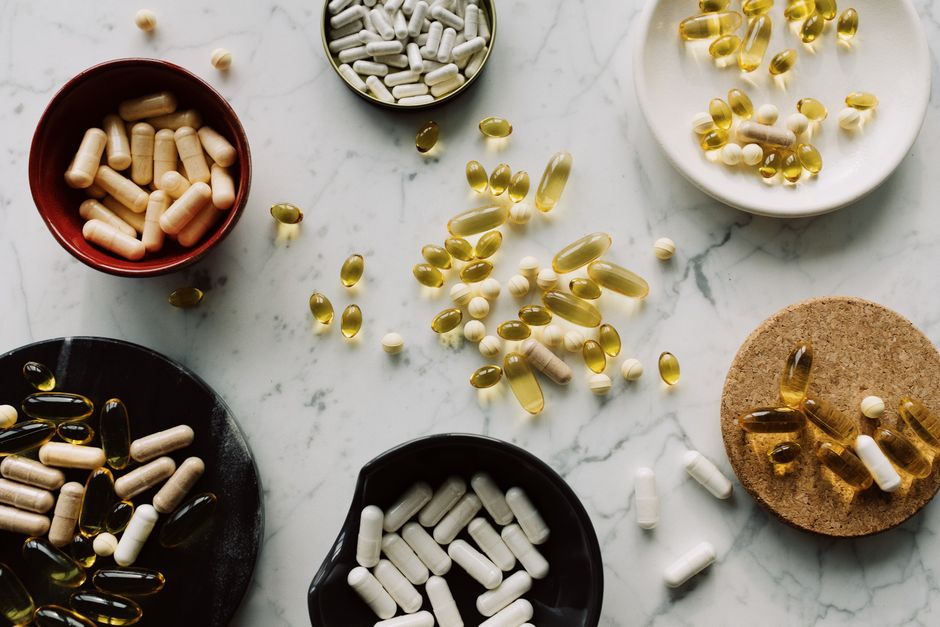
Yes, probiotics can make you gassy. Gas is one of the most common short-term side effects when you start a probiotic supplement or eat more fermented foods. The cause is straightforward: the bacteria you are adding ferment carbohydrates in your gut, and gas is a normal byproduct of that fermentation. For most people the bloating and gas ease within days to a few weeks as the gut adjusts. For some, especially people with certain digestive conditions, probiotics can make symptoms worse.
Do Probiotics Make You Gassy?
They can. Gas and mild bloating are among the most frequently reported side effects of starting probiotics, both from supplements and from fermented foods like yogurt, kefir, and sauerkraut.
The mechanism is well understood. Probiotic bacteria, like the bacteria already living in your colon, break down carbohydrates that your body cannot digest on its own. That fermentation produces gas — mainly hydrogen, carbon dioxide, and in some people methane. When you introduce a new batch of bacteria, fermentation activity in the gut can temporarily increase. More fermentation means more gas.
This is not a sign the probiotic is “working” in any specific sense, and it is not a sign it is failing. It is a normal physiological response to a change in your gut’s bacterial population. Some people notice it. Many do not.
Why Do Probiotics Cause Gas and Bloating?
Your large intestine is a fermentation chamber. Hundreds of species of bacteria live there, and their main food source is fiber and other carbohydrates that pass through your small intestine undigested.
When you take a probiotic, you are adding live microorganisms to that system. Depending on the strain and the dose, they may compete with existing bacteria, produce their own metabolic byproducts, or shift how quickly certain carbohydrates get fermented. Any of these can increase gas production.
Some probiotic strains are more associated with gas than others. Strains in the Lactobacillus and Bifidobacterium families are widely used and generally well tolerated, but individual responses vary a lot. A strain that causes noticeable gas in one person may cause none in another. The dose matters too — higher doses tend to produce more fermentation activity, though this is not a strict rule.
One point that gets overlooked: the delivery method can matter as much as the bacteria. Some probiotic products contain prebiotics (fiber that feeds bacteria) or sugar alcohols and other fermentable ingredients in the capsule or powder. These ingredients can cause gas on their own, independent of the probiotic strains. If a supplement gives you gas, the filler ingredients are worth checking.
How Long Does Probiotic Gas Last?
For most people, gas and bloating from a new probiotic settle within a few days to a few weeks. The gut bacterial community is fairly stable, and introducing new organisms causes a temporary disturbance rather than a permanent one.
That timeline is a general pattern, not a guarantee. Some people adapt in two or three days. Others take several weeks. A minority continue to have symptoms for as long as they take the product, which usually means that particular strain or dose does not suit them.
If gas is bothersome, common approaches include starting with a lower dose and increasing slowly, or taking the probiotic with food. Neither has strong trial evidence behind it for this specific purpose, but both are widely used in practice and are low risk. If symptoms persist beyond a few weeks or are severe, stopping the supplement is reasonable and worth discussing with a clinician.
Is Gas From Probiotics a Bad Sign?
Usually not. Mild gas and bloating in the first days or weeks are expected and not dangerous.
There are exceptions worth knowing. Probiotics are not risk-free for everyone. People who are seriously immunocompromised, critically ill, or have a central venous catheter face a higher risk of infections from probiotic organisms, and clinical guidance generally advises caution or avoidance in these groups. In rare cases, probiotic supplements have been linked to invasive infections in vulnerable patients.
For people with small intestinal bacterial overgrowth (SIBO), probiotics can sometimes worsen bloating and gas rather than improve it. The evidence here is mixed and the topic is debated among gastroenterologists, but worsening symptoms on a probiotic are a reasonable signal to stop and get evaluated.
Seek medical attention for gas accompanied by severe pain, fever, blood in the stool, or vomiting. Those are not typical probiotic side effects.
Do All Probiotics Cause Gas?
No. Many people take probiotics with no gas at all, and some strains are studied specifically for reducing bloating rather than causing it.
The effect depends on several things:
- Strain: Different species and strains have different metabolic activity. Effects are strain-specific, not just species-specific.
- Dose: Higher doses mean more live organisms and often more fermentation activity.
- Your existing gut bacteria: The composition of your microbiome shapes how you respond.
- Your diet: A high-fiber diet gives gut bacteria more to ferment, which can amplify gas from any source.
- The product’s other ingredients: Prebiotics, inulin, and sugar alcohols in the formula can cause gas independently.
Fermented foods deserve a separate mention. Yogurt, kefir, kimchi, and sauerkraut contain live cultures, but they also contain organic acids and other compounds. Some people react to these foods with gas or bloating for reasons that may have little to do with the bacteria themselves.
How to Reduce Gas From Probiotics
There is no guaranteed method, but a few practical steps are commonly used and carry little risk.
Start with a lower dose. Many products are sold at high CFU counts, and a smaller starting dose gives your gut time to adjust. Increase gradually if you tolerate it well.
Take the probiotic with a meal. This is common practice, though the evidence that it specifically reduces gas is limited. It may help buffer the stomach and slow delivery to the intestine.
Check the ingredient list for prebiotics and sugar alcohols. Inulin, fructooligosaccharides (FOS), sorbitol, and mannitol are all fermentable or poorly absorbed and can cause gas on their own.
Try a different strain or product if one causes trouble. Because effects are strain-specific, switching is a reasonable step. There is no single probiotic that works for everyone.
Do not push through severe or worsening symptoms. Mild gas is one thing. Significant pain, cramping, or symptoms that get worse over time are a reason to stop and talk to a doctor.
What the Evidence Says About Probiotics and Gas
The research on probiotics is large but uneven. Many studies are small, use different strains and doses, and measure different outcomes, which makes general conclusions difficult.
On side effects, the general finding across trials is that probiotics are well tolerated by most healthy adults, with gas and bloating among the most commonly reported mild effects. Some studies suggest certain strains may reduce bloating in people with irritable bowel syndrome, but results vary by strain and by person, and no single probiotic has been shown to work for everyone with IBS.
What the evidence does not support is the idea that gas is a necessary or beneficial sign. It is a side effect, not a therapeutic marker. It also does not support claims that any specific probiotic is guaranteed to be gas-free or gas-causing. Individual response is the strongest predictor.
One clarification worth making: “probiotic” is a broad category, not a single product. A supplement containing one strain at a low dose and a multi-strain product at a high dose are not interchangeable, and studies of one do not automatically apply to the other.
Frequently Asked Questions
Do probiotics make you gassy?
Yes, they can. Gas and mild bloating are common short-term side effects, especially when you first start a probiotic or increase your intake of fermented foods.
How long does probiotic gas last?
For most people it eases within a few days to a few weeks as the gut adjusts. If it persists or worsens, stopping the product and speaking with a clinician is reasonable.
Should I stop taking probiotics if they make me gassy?
Mild gas alone is not usually a reason to stop. If gas comes with significant pain, cramping, or worsening symptoms, stop and talk to a doctor.
Are fermented foods less likely to cause gas than probiotic supplements?
Not necessarily. Fermented foods contain live cultures plus other compounds that can cause gas in some people, and responses vary widely from person to person.
