
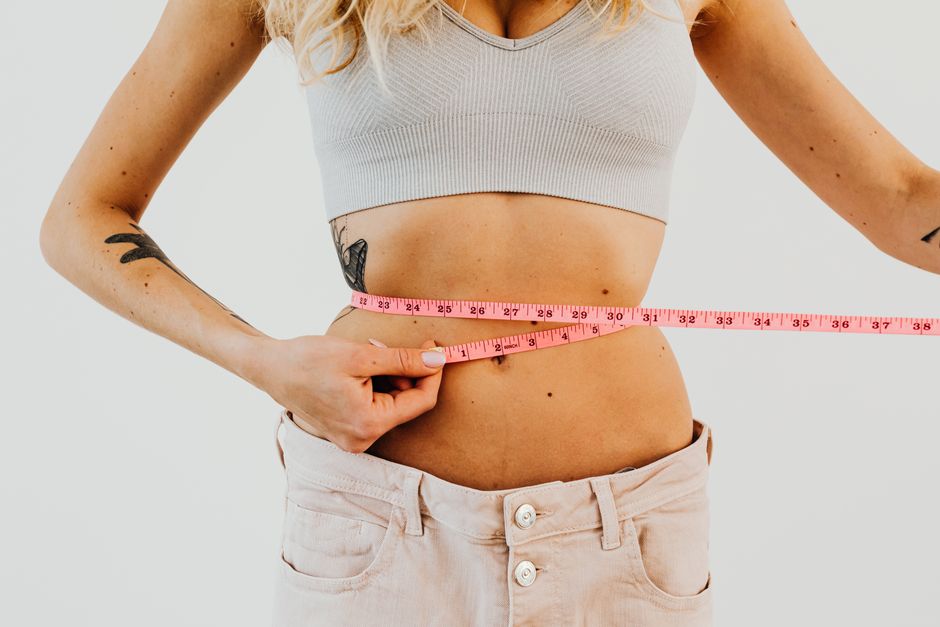
Probiotics can change the bacteria living in your gut. That much is well established. Whether those changes translate into meaningful weight loss is a different question, and the research so far gives a cautious answer. Some studies show small effects. Many show none. Nothing close to a stand-alone weight loss solution has emerged.
The idea is not unreasonable. Gut bacteria influence how your body extracts energy from food, how it stores fat, and how it signals hunger. But a plausible mechanism is not the same as a proven treatment. This article separates what researchers have actually measured from what supplement companies would like you to believe.
What Is the Connection Between Gut Bacteria and Body Weight?
The human gut holds trillions of bacteria, along with fungi, viruses, and other microorganisms. Together they are called the gut microbiome. These organisms help break down fiber, produce certain vitamins, and interact with your immune system.
Researchers have repeatedly found that the composition of gut bacteria differs between lean and obese people. That finding is consistent across many studies. What remains unclear is direction. Does a certain bacterial mix contribute to weight gain, or does excess body fat change the gut environment? Both may be true at once.
Animal studies offer the most striking evidence. When researchers transplanted gut bacteria from obese mice into lean mice raised in sterile conditions, the lean mice gained weight. Similar transplants in humans are far more difficult to control, and results have been inconsistent.
One widely discussed observation involves the ratio of two large bacterial groups, Firmicutes and Bacteroidetes. Early research suggested obese people had more Firmicutes relative to Bacteroidetes. Later studies have not always confirmed this pattern, and some found no meaningful difference. The evidence is mixed.
What is clear is that the microbiome is one factor among many. Genetics, diet, physical activity, sleep, medications, and medical conditions all carry more established weight than gut bacteria alone.
What Does the Research Say About Probiotics and Weight Loss?
Clinical trials testing probiotics for weight loss exist, but they are generally small and short. A number of reviews and meta-analyses have pooled their results. Most conclude that probiotic supplementation produces modest reductions in body weight and fat mass compared with placebo, if any effect appears at all.
The word modest matters here. In many of these analyses, average differences between probiotic and placebo groups were small enough that individual participants might notice nothing. Study durations often ran from a few weeks to a few months. Long-term data are scarce.
Certain strains appear more often in studies reporting an effect. Members of the Lactobacillus and Bifidobacterium groups are the most studied. But even within these groups, results vary by strain, dose, and population. A strain that shows an effect in one trial may show none in another.
Several important limitations run through this body of research:
- Many trials enroll fewer than 100 participants
- Study lengths are often too short to assess lasting change
- Strains, doses, and delivery methods differ between studies
- Participants’ baseline diets are rarely controlled
- Weight loss is sometimes a secondary outcome rather than the main focus
These limitations do not mean the findings are worthless. They mean the findings are preliminary. No large, long-term trial has demonstrated that a probiotic product produces clinically meaningful weight loss on its own.
How Might Probiotics Aid in Weight Loss, If They Do at All?
Several mechanisms have been proposed. Each has some biological support, though none has been confirmed as the reason for weight changes in human trials.
Gut bacteria ferment dietary fiber and produce short-chain fatty acids. These compounds feed the cells lining your colon and influence metabolism. Some research suggests they affect appetite signaling and fat storage. The picture is complex, and effects differ by the specific fatty acid and the tissue involved.
Some bacteria may influence how tightly your intestinal lining controls what passes into the bloodstream. A looser barrier is associated with low-grade inflammation, and chronic inflammation is linked to insulin resistance and weight gain. Whether probiotics meaningfully tighten this barrier in humans, and whether that changes body weight, is not established.
Appetite hormones are another area of interest. Some studies have measured changes in ghrelin and leptin, hormones that influence hunger and fullness, after probiotic use. Results have been inconsistent across trials.
One clarification worth making: the proposed mechanisms are not the same as demonstrated outcomes. A supplement could shift gut bacteria in a measurable way and still produce no change on the scale. That gap between mechanism and result is where most probiotic weight loss marketing lives.





Do Probiotic Foods Work Differently Than Supplements?
Fermented foods such as yogurt, kefir, sauerkraut, kimchi, and miso contain live microorganisms. They are not the same as concentrated probiotic supplements, and the research on them is separate.
Most fermented foods have not been tested for weight loss in controlled trials. Yogurt has been studied more than the others, largely because it is widely consumed and easier to standardize. Some observational studies link regular yogurt consumption with lower body weight, but observational data cannot prove cause and effect. People who eat yogurt regularly may differ from those who do not in many other ways.
Fermented foods do have documented benefits unrelated to weight. They can support digestive health and provide nutrients. If you enjoy them, there is little reason to stop. Just do not expect them to replace the fundamentals of weight management.
One practical note: many flavored yogurts contain substantial added sugar. A food can contain live cultures and still deliver a large amount of sugar per serving. Reading the nutrition label matters more than the front-of-package claims.
What Actually Works for Weight Loss?
The evidence for sustained weight loss is strongest for a small number of approaches. None of them are supplements.
Reducing calorie intake and increasing physical activity remain the foundation. This is not a slogan. It reflects decades of clinical trial data showing that people who achieve a sustained energy deficit lose weight. The difficulty is adherence, not the principle.
Structured programs that combine diet, exercise, and behavioral support produce better long-term results than any single intervention alone. This includes commercial programs, clinical weight management programs, and medically supervised approaches.
For people with obesity, defined as a BMI of 30 or higher, prescription medications and bariatric surgery are established options. These carry real risks and require medical supervision. They are not comparable to over-the-counter supplements.
Sleep and stress also influence weight regulation through hormonal pathways. Chronic short sleep is associated with higher body weight in multiple large studies. The relationship is complex, but the association is consistent.
Probiotics may eventually find a place as a supporting tool within a broader plan. That role has not been established. Anyone presenting probiotics as a primary weight loss strategy is ahead of the evidence.
Are Probiotics Safe to Take?
For most healthy adults, probiotic supplements and fermented foods are well tolerated. Some people experience gas, bloating, or mild digestive changes when starting them. These effects usually fade.
Safety is a genuine concern for certain groups. People who are seriously ill, have weakened immune systems, have central venous lines, or are recovering from major surgery face a higher risk of infection from live microorganisms. Serious infections from probiotic supplements have been documented, though they are rare.
If you are pregnant, breastfeeding, or considering probiotics for an infant or child, talk to a clinician first. No clinical guidelines currently establish probiotic dosing for weight loss in these populations. Products marketed for these groups are not backed by weight loss evidence.
Quality also varies. Supplements are not reviewed by the FDA for effectiveness before they are sold. The bacteria listed on a label may not match what is in the capsule, and some products contain fewer live organisms than claimed. Third-party testing certifications offer some assurance but are not universal.
The Bottom Line
Probiotics are not a weight loss treatment. The research shows small, inconsistent effects at best, and no large trial has demonstrated meaningful weight loss from supplementation alone. If a probiotic helps you, it is most likely playing a minor supporting role rather than driving the change.
That does not make probiotics useless. They have documented roles in certain digestive conditions and are an active area of research. The honest position is that their relationship to body weight remains under investigation.
If weight loss is your goal, focus on the approaches with decades of evidence behind them. Talk to a clinician about what fits your health situation. Be skeptical of any product promising pounds lost through gut bacteria alone.
Frequently Asked Questions
Do probiotics aid in weight loss?
Some small, short-term studies suggest modest effects on weight and fat mass, but results are inconsistent and no large trial has confirmed meaningful weight loss from probiotics alone. They are not an established weight loss treatment.
Which probiotic strains are linked to weight loss?
Strains in the Lactobacillus and Bifidobacterium groups appear most often in studies reporting an effect. However, results vary by strain and trial, and no single strain has been confirmed as reliably effective.
Can eating yogurt help you lose weight?
Observational studies have linked regular yogurt consumption with lower body weight, but this does not prove cause and effect. Many flavored yogurts also contain substantial added sugar, which works against weight loss goals.
How long do you need to take probiotics to see weight changes?
Most trials have run from a few weeks to a few months, and effects, when present, are small. No established timeline exists for weight loss from probiotics because the effect itself has not been reliably demonstrated.
