
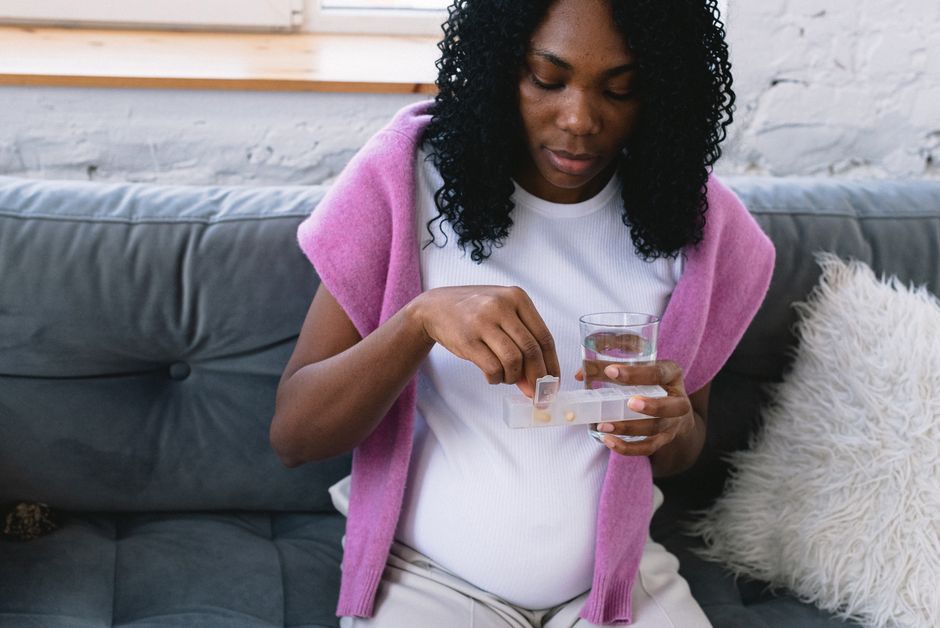
Many women worry that starting a prenatal vitamin will trigger weight gain. The short answer is no. Prenatal vitamins do not contain calories and are not designed to cause weight gain. The weight changes you notice during pregnancy come from the pregnancy itself, not the vitamin.
Why Prenatal Vitamins Do Not Directly Cause Weight Gain
Prenatal vitamins are concentrated doses of vitamins and minerals. They contain no meaningful calories. A typical prenatal tablet has about 5 to 10 calories, similar to a piece of chewing gum. That amount cannot change your body weight.
Weight gain requires a calorie surplus. You must consume more energy than your body burns. Vitamins do not supply that energy. They support your body’s functions, but they do not add fat or muscle mass on their own.
Some people feel bloated or heavier after starting a vitamin. That feeling is usually temporary. It is not the same as gaining body fat. Bloating from a supplement usually fades within a few weeks as your body adjusts.
What Actually Causes Weight Gain During Pregnancy
Pregnancy itself is the main driver of weight gain. Your body changes in specific ways to support the growing baby. These changes happen whether or not you take a prenatal vitamin.
The weight you gain during pregnancy includes several components. The baby, the placenta, and the amniotic fluid make up a large portion. Your blood volume increases significantly. Your uterus grows larger. Your body stores extra fat to prepare for breastfeeding.
These changes are normal and necessary. They are not caused by the vitamin. A woman who skips prenatal vitamins will still gain weight during pregnancy. The vitamin simply ensures she gets enough nutrients like folic acid and iron.
The Role of Iron and Constipation
Iron is a common ingredient in prenatal vitamins. It is essential for making red blood cells and preventing anemia. But iron can cause constipation in some women.
Constipation can make you feel bloated and heavier. Your abdomen may feel full and uncomfortable. Some women mistake this feeling for weight gain. The scale may even show a slight increase because of retained stool.
This is not true weight gain. It is a digestive side effect. Drinking more water and eating fiber-rich foods can help. Some prenatal vitamins use a form of iron that is gentler on the stomach. Your doctor can recommend an alternative if constipation becomes a problem.
Changes in Appetite and Digestion
Pregnancy hormones change your appetite. Many women feel hungrier in the second and third trimesters. This increased hunger is a normal response to the energy demands of growing a baby.
Some women notice they eat more after starting prenatal vitamins. This is likely a coincidence. The vitamins are not increasing your appetite. The hormonal changes of pregnancy are doing that.
Digestion also slows down during pregnancy. This can make food move through your system more slowly. You may feel fuller for longer or notice more bloating. Again, this is a pregnancy effect, not a vitamin effect.
If you are genuinely eating more since starting the vitamin, track your food for a few days. You may be responding to pregnancy-related hunger cues. The vitamin itself is not the cause.
How Much Weight Gain Is Normal
Weight gain during pregnancy varies by person. Your starting weight matters. The general guidance is based on body mass index, or BMI, before pregnancy.
Women at a healthy weight are typically advised to gain about 25 to 35 pounds. Women who are underweight may be advised to gain more. Women who are overweight may be advised to gain less. These are general ranges, not strict rules.
Your doctor will track your weight at each visit. They will compare it to a growth curve for your specific situation. Some variation from the range is normal. Rapid or excessive gain may prompt a conversation about diet or other factors.
Prenatal vitamins are not part of this calculation. They do not influence how much weight you gain. Your doctor is monitoring your pregnancy, not your supplement.
When Weight Gain Is Not Related to the Vitamin
Sometimes women gain weight quickly and look for a cause. The prenatal vitamin is an easy target. But the real cause is usually something else.
Fluid retention is common in pregnancy. Your body holds more water, especially in the later months. This can cause sudden jumps on the scale. Swelling in the feet and hands is a visible sign of fluid retention.
Dietary changes can also play a role. Some women eat more processed foods or larger portions during pregnancy. This can lead to faster weight gain. The vitamin is not responsible for these choices.
If you are concerned about your weight gain, talk to your doctor. They can help you understand what is normal. They can also check for conditions like preeclampsia, which can cause rapid fluid retention. Do not assume the vitamin is the problem.
What the Research Shows
Clinical research has not found a link between prenatal vitamins and weight gain. Studies on prenatal supplement use focus on outcomes like birth weight and birth defects. Weight gain in the mother is not a reported side effect.
Some research suggests that women who take prenatal vitamins may have healthier pregnancy outcomes. This includes a lower risk of certain birth defects. The benefits are well established for folic acid and iron.
No clinical evidence currently confirms that prenatal vitamins cause weight gain. The occasional bloating or constipation is a digestive effect, not a metabolic one. Your body does not store fat because you took a vitamin.
If you see claims online that prenatal vitamins cause weight gain, they are not supported by evidence. These claims often confuse correlation with causation. Pregnant women gain weight. Pregnant women take vitamins. The two happen at the same time, but one does not cause the other.
How to Manage Bloating and Digestive Discomfort
If bloating from your prenatal vitamin bothers you, there are practical steps you can take. These do not change the vitamin’s effectiveness.
Take the vitamin with food. An empty stomach can make nausea or bloating worse. A meal helps buffer the digestive tract.
Stay hydrated. Water helps move fiber through your system and softens stool. This can reduce constipation and the bloated feeling that comes with it.
Ask your doctor about a different formulation. Some prenatal vitamins are designed to be gentler on the stomach. Slow-release iron or a lower iron dose may help. Do not switch on your own without checking with your doctor first.
Remember that the vitamin is not making you gain weight. It is supporting your pregnancy. The digestive discomfort is temporary and manageable.
Frequently Asked Questions
Do prenatal vitamins make you gain weight?
No. Prenatal vitamins contain almost no calories and do not cause weight gain. Weight gain during pregnancy comes from the baby, placenta, blood volume, and normal body changes.
Can prenatal vitamins cause bloating?
Yes, some women feel bloated from the iron in prenatal vitamins. This is a digestive side effect, not weight gain, and usually improves with water and fiber.
Why do I feel hungrier after starting prenatal vitamins?
Pregnancy hormones are the likely cause of increased appetite. The vitamins do not stimulate hunger. Your body needs more energy as the baby grows.
Will I gain less weight if I skip my prenatal vitamin?
No. Skipping the vitamin will not reduce pregnancy weight gain. Your body gains weight to support the pregnancy regardless of supplements.
