
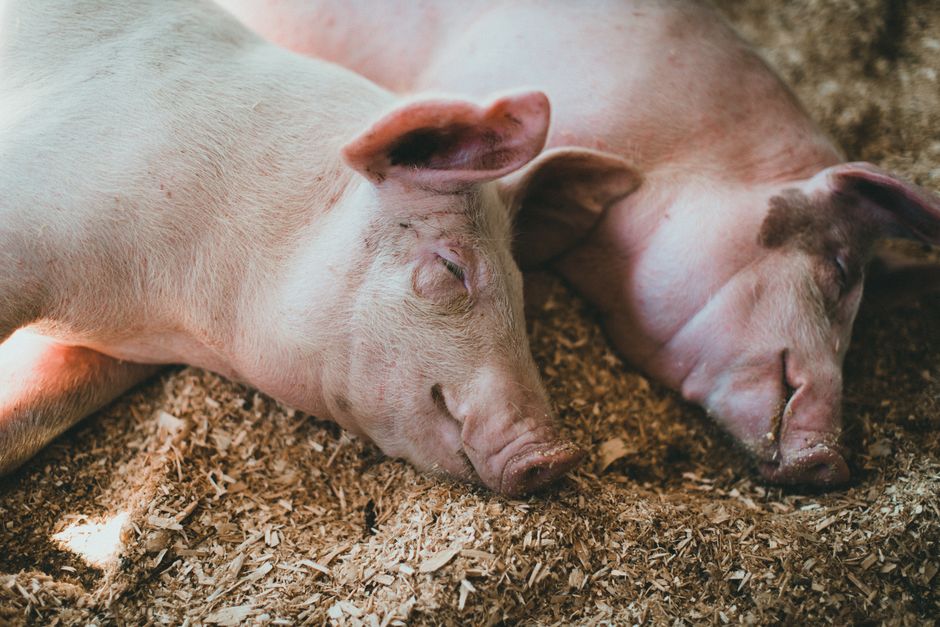
Yes, pigs eat their own poop, and they often eat the poop of other pigs too. It is normal pig behavior, not a sign of illness or a mistake. Pigs are omnivores and highly driven to explore their world with their mouths, and coprophagy — the technical term for eating feces — is part of how they naturally behave.
That answer surprises many people. Pigs are often described as the cleanest animals on a farm. The two ideas seem to conflict. They do not. Understanding why pigs do this explains a lot about pig biology, pig farming, and why the behavior is not the health crisis it sounds like.
Do Pigs Eat Their Own Poop?
They do. Pigs will eat their own feces, the feces of other pigs, and feces from other species when they can reach it. This is well documented in both farmed and wild pigs.
Coprophagy is common across many animals. Rabbits, rodents, dogs, and non-human primates all do it. In pigs, the behavior shows up most often in young piglets, in pigs kept in confined spaces, and in pigs whose diet is missing something they need.
It is not a sign that a pig is “dirty” or defective. It is a sign that a pig is doing what pigs do: sampling its environment, extracting whatever nutrients it can, and responding to what its gut and its brain tell it.
Why Do Pigs Eat Their Own Poop?
The reasons are practical, not mysterious. Pigs eat feces for a few overlapping reasons, and more than one can apply at the same time.
- Nutrient recovery. Digestion is not perfectly efficient. Some food passes through a pig partly undigested. Eating feces gives the pig a second chance at those calories and nutrients.
- Gut bacteria. Feces contain living gut microbes. For young piglets, eating feces from adult pigs may help seed their own gut with helpful bacteria. This is one of the more studied explanations.
- Hunger or boredom. Pigs with limited food, or pigs in barren environments with nothing to do, are more likely to eat feces.
- Diet gaps. If a pig’s feed is short on certain nutrients, it may eat feces to try to make up the difference.
- Normal exploration. Pigs investigate everything with their snouts and mouths. Feces are part of the environment, so they get investigated.
The nutrient-recovery and gut-bacteria explanations are the ones with the most research behind them. The boredom explanation is widely accepted by animal behavior researchers but harder to measure directly. Both can be true at once.
Is Eating Poop Harmful to Pigs?
In most cases, no. Coprophagy is a normal part of pig behavior, and healthy pigs do it without getting sick. Their digestive systems and immune systems are built to handle the microbes that come with it.
The risk goes up in specific situations. If a pig eats feces from a sick animal, it can pick up the same infection. This matters most in crowded barns where disease spreads easily. Parasites can also pass from feces to a pig that eats them.
So the honest position is this: coprophagy itself is not a disease. But it can be a route for disease to spread, especially when many pigs are kept close together. That is why pig farmers manage manure, not because the behavior is abnormal, but because controlling what pigs contact reduces disease risk across the herd.
Do Piglets Eat Their Mother’s Poop?
Yes, and this appears to be a normal and possibly useful behavior. Young piglets often eat feces from their mother and from other adult pigs.
The leading explanation involves the gut microbiome — the community of bacteria living in the digestive tract. A newborn piglet’s gut starts out nearly sterile. As it grows, it gets colonized by bacteria from its mother, its environment, and its food. Eating adult feces may be one way piglets acquire bacteria that help them digest food and resist harmful germs.
This is an active area of research in animal science. The general direction — that early exposure to adult gut microbes supports piglet gut health — is supported by studies. The exact role coprophagy plays compared to other routes of exposure is still being worked out.
Why Do Pigs Eat Poop in Factory Farms?
Coprophagy is more common in confined pig operations than in pasture settings. The reasons come down to environment and diet.
Pigs in crowded barns have less space, less to do, and constant contact with manure. Feed is often formulated for cost and growth rather than for matching what a pig would eat in the wild. When feed is short on certain nutrients, pigs look for them elsewhere. Feces are available. So they eat them.
Some researchers have suggested that certain feeding practices — like very finely ground feed or diets low in fiber — may increase coprophagy. The evidence here is not uniform, and different studies point in different directions. What is clear is that the behavior is more frequent in pigs kept in confined, low-stimulation environments.
This is one reason animal welfare guidelines often recommend giving pigs more space, more enrichment, and better-matched diets. Reducing coprophagy is a side benefit, not the main goal. The main goal is a healthier, less stressed animal.
Do Pigs Eat Human Poop?
Pigs will eat human feces if they can get to it. They do not distinguish between pig feces and human feces the way a person would.
This matters for a real reason: pigs can carry and transmit some of the same parasites and bacteria that infect humans. Historically, this is why public health officials have warned against feeding raw human waste to pigs. The concern is not that the pig will get sick, but that the pig can become a carrier and pass pathogens back to people through meat or contact.
Modern regulations in most countries restrict what can be fed to pigs, and raw human waste is generally not allowed as feed. This is a food safety rule, not a comment on pig behavior.
Does Eating Poop Mean a Pig Is Sick?
Usually not. Coprophagy is common in healthy pigs. A pig eating poop is not, by itself, a sign of illness.
It can be a sign that something in the pig’s environment or diet is off. If a pig suddenly starts eating a lot of feces, or if several pigs in a group do it at once, that can point to a diet problem, a crowding problem, or a health issue spreading through the group.
For anyone raising pigs, the useful signal is change. A pig that has always done this is not a concern. A pig that starts doing it suddenly, or that seems unwell in other ways, is worth a closer look from a veterinarian.
Is Pig Poop Dangerous to Humans?
Pig feces can carry bacteria, viruses, and parasites, some of which can infect people. Direct contact with pig manure is a known route of exposure to certain pathogens.
This is why handwashing matters after handling pigs or working in pig areas. It is also why pork is cooked to a safe internal temperature before eating. Cooking kills the pathogens that could be present in meat.
The behavior of eating feces does not make pork unsafe by itself. What matters is how the animal was raised, how it was handled, and how the meat was prepared. Those are the factors public health agencies focus on.
Do Wild Pigs Eat Their Own Poop?
Wild pigs and feral hogs also eat feces, including their own. The behavior is not limited to farmed animals.
In the wild, pigs eat a wide range of foods — roots, plants, insects, small animals, carrion, and feces. Their digestive system is built for variety. Eating feces fits into that pattern as one more way to extract nutrition from what is available.
The difference is frequency. Wild pigs have more space, more varied food, and more to do. Farmed pigs in confined settings tend to do it more often. Same animal, different conditions.
Do Pigs Eat Their Own Poop on Pasture?
They can, but less often. Pigs on pasture have more room to roam, more varied things to eat, and more natural behaviors to occupy them.
Pasture-raised pigs still eat feces sometimes. It is part of being a pig. The behavior is simply less frequent when the animal has more options.
This is one of several reasons pasture-based systems are often described as better for pig welfare. The animal gets to act more like a pig. Eating poop is one of those behaviors, but it is not the main point. Space, enrichment, and diet are.
Frequently Asked Questions
Do pigs eat their own poop?
Yes, pigs eat their own poop and the poop of other pigs. It is normal behavior called coprophagy and is not a sign of illness by itself.
Why do pigs eat their own poop?
Pigs eat poop to recover nutrients that passed through undigested, to pick up gut bacteria, and because of hunger or boredom. More than one reason can apply at once.
Is it dangerous for pigs to eat their own poop?
Usually not, but it can spread parasites and infections when pigs are kept close together. That is why farmers manage manure even though the behavior itself is normal.
Do pigs eat human poop?
Pigs will eat human feces if they can reach it. This is why feeding raw human waste to pigs is restricted in most countries as a food safety measure.
