
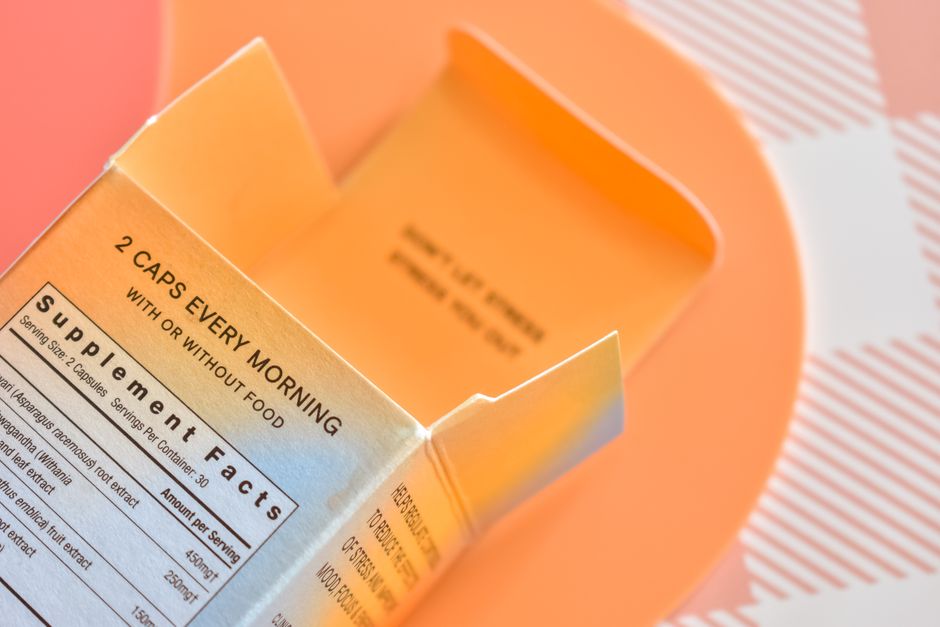
If you have ever reached for a Pepcid after a meal and wondered whether it will actually stop that bloated, gassy feeling, here is the short answer: Pepcid is not designed to treat gas. Pepcid (famotidine) works by reducing stomach acid production. It helps with heartburn, acid reflux, and indigestion caused by too much acid. But gas and bloating often come from different sources — swallowed air or the breakdown of food in your gut. Pepcid does not stop gas from forming and does not help your body expel it. If gas is your main symptom, Pepcid is probably not the right choice.
What Is Pepcid and How Does It Work?
Pepcid belongs to a class of drugs called H2 blockers. The active ingredient is famotidine. It works by blocking histamine receptors in the stomach lining. This reduces the amount of acid your stomach produces.
Doctors prescribe it for conditions like gastroesophageal reflux disease (GERD), stomach ulcers, and erosive esophagitis. The FDA has approved it for heartburn relief. You can buy lower doses over the counter. Higher doses require a prescription.
Pepcid does not affect the muscles of your digestive tract. It does not speed up digestion. It does not help food move through your intestines faster. It does not absorb gas or break down gas bubbles. Its only job is lowering acid levels.
Research published in the Journal of Clinical Gastroenterology confirms that H2 blockers like famotidine are effective for acid-related symptoms. But the same research shows they have no significant effect on gas or bloating. The American College of Gastroenterology lists H2 blockers for heartburn and GERD only — not for gas.
Do Pepcid Help With Gas That Comes With Heartburn?
This is where people get confused. If you have heartburn along with gas, Pepcid might make you feel better. But it is treating the heartburn, not the gas.
Here is what happens: Stomach acid can irritate the esophagus and cause a burning sensation. Sometimes people mistake this discomfort for gas pain. When Pepcid lowers the acid, that burning feeling goes away. The actual gas in your intestines is still there.
Studies published in Gastroenterology have found that bloating and gas are common in people with GERD. But treating the acid does not consistently reduce the bloating. A 2019 review in Alimentary Pharmacology & Therapeutics looked at over 2,000 patients with GERD. About 40 percent reported bloating as a symptom. After eight weeks of H2 blocker treatment, the bloating improved in only about half of those patients. That is not much better than a placebo.
If your gas is paired with heartburn, Pepcid might make the overall experience less unpleasant. But it will not get rid of the gas itself.
What Actually Causes Gas and Bloating?
Gas in the digestive tract comes from two main sources. The first is swallowed air. Everyone swallows some air when eating, drinking, or talking. This air usually comes back up as burping.
The second source is bacterial fermentation in the colon. When undigested food reaches the large intestine, bacteria break it down. This process produces hydrogen, methane, and carbon dioxide. Some people produce more gas than others depending on their gut bacteria and what they eat.
Common gas-producing foods include beans, lentils, broccoli, cabbage, onions, and whole grains. Carbonated drinks add gas directly. Lactose intolerance and fructose malabsorption can cause significant gas and bloating. Irritable bowel syndrome (IBS) is another major cause.
Pepcid does not affect any of these processes. It does not change how bacteria break down food. It does not reduce swallowed air. It does not help the body absorb lactose or fructose better. The cause of the gas matters more than you might think when choosing a treatment.




What Does Research Say About Pepcid and Gas?
Clinical trials for famotidine have measured its effect on a wide range of digestive symptoms. The results are consistent: Pepcid helps with acid-related symptoms but not with gas.
A 2017 study in Drugs in Context reviewed over 30 clinical trials of H2 blockers. The researchers found that famotidine significantly reduced heartburn and regurgitation. But flatulence and bloating were not improved compared to placebo. The difference was small enough to be considered not clinically meaningful.
Another study in Scandinavian Journal of Gastroenterology compared famotidine to a placebo in patients with functional dyspepsia. That is a condition where people feel full quickly, have upper abdominal pain, and often report bloating. Famotidine helped with pain and fullness but did not reduce bloating scores.
The FDA label for famotidine lists its approved uses. Gas and bloating are not included. The label explicitly states that famotidine is indicated for “relief of heartburn and other symptoms associated with acid indigestion.” Gas is not mentioned anywhere.
Some people report feeling less gassy after taking Pepcid. That may be because their heartburn was making them aware of normal gas. Or it could be a placebo effect. But the clinical evidence does not support using Pepcid as a gas treatment.
What Actually Works for Gas and Bloating?
If Pepcid is not the answer, what is? The treatment depends on the cause. But several options have solid evidence behind them.
| Treatment | How It Works | Evidence Level |
|---|---|---|
| Simethicone (Gas-X, Mylanta Gas) | Breaks up gas bubbles so they can pass more easily | Strong for symptom relief |
| Alpha-galactosidase (Beano) | Breaks down complex carbs in beans and vegetables | Strong for prevention |
| Lactase supplements (Lactaid) | Helps digest lactose in dairy | Strong for lactose intolerance |
| Peppermint oil | Relaxes intestinal muscles | Moderate for IBS-related bloating |
| Probiotics | May balance gut bacteria | Mixed evidence, depends on strain |
| Dietary changes (low FODMAP) | Reduces fermentable carbohydrates | Strong for IBS |
Simethicone is the most common over-the-counter gas treatment. It works physically by combining gas bubbles into larger ones that are easier to pass. Research in Clinical Therapeutics found that simethicone reduced gas symptoms significantly compared to placebo in people with functional bloating.
For gas caused by specific foods, enzyme supplements work well. Beano contains an enzyme that breaks down the complex sugars in beans and cruciferous vegetables. Lactase supplements help people with lactose intolerance digest dairy without gas. These are targeted solutions that address the root cause.
For people with IBS, the low FODMAP diet has strong research support. Studies from Monash University show that about 70 percent of people with IBS see improvement in bloating and gas within two to six weeks. A dietitian can guide you through the elimination and reintroduction phases.
When Should You Choose Pepcid Instead of a Gas Treatment?
Pepcid is the right choice when your main symptom is burning in the chest or upper stomach. If you feel a sour taste in your throat, have trouble swallowing, or wake up with a cough from acid reflux, Pepcid is appropriate.
Gas treatments are the right choice when your main symptom is bloating, burping, or passing gas. If your stomach feels distended after meals, if you hear gurgling sounds, or if you feel pressure in your lower abdomen, a gas treatment is more likely to help.
Some people have both problems at the same time. Acid reflux and gas can coexist. In that case, treating both separately makes sense. You might take Pepcid for the heartburn and simethicone for the gas. But one drug will not do both jobs.
If you are unsure what your symptoms mean, keep a symptom diary for a week. Write down what you ate, when the symptoms started, and exactly what you felt. Burning in the chest points to acid. Bloating and gas point to digestion issues. This simple tracking can help you and your doctor choose the right treatment.
If your gas is severe, comes with diarrhea or constipation, or includes blood in your stool, see a doctor. These could be signs of celiac disease, inflammatory bowel disease, or other conditions that need proper diagnosis.
Common Misconceptions About Pepcid and Gas
One common belief is that reducing stomach acid will speed up digestion and reduce gas. The opposite is actually true. Stomach acid helps break down food so it can be absorbed in the small intestine. When acid levels drop, some food may not break down completely. That undigested food then reaches the colon where bacteria ferment it — producing more gas.
Some people think that because Pepcid treats indigestion, it must treat all indigestion symptoms. But “indigestion” covers many different sensations. Burning, fullness, bloating, and nausea are all called indigestion. They have different causes and need different treatments. Pepcid only addresses the burning caused by acid.
Another misconception is that if a little helps, more will help more. Taking extra Pepcid will not give you extra gas relief. It will only increase your risk of side effects like headache, dizziness, or constipation. The maximum daily dose is 40 mg for over-the-counter use. Higher doses require a prescription and are not meant for gas.
There is also a myth that Pepcid can prevent gas if taken before a meal. Some people take it before eating to “prepare” their stomach. But since Pepcid does not affect gas production in the first place, taking it beforehand does not prevent gas. It may prevent heartburn if you eat something acidic or spicy. But the gas from beans or broccoli will still happen.
What to Avoid When Treating Gas
Avoid taking antacids or acid reducers for gas unless you also have heartburn. Using these drugs unnecessarily can disrupt your stomach’s natural acid balance. Long-term use of H2 blockers has been linked to an increased risk of vitamin B12 deficiency and bone fractures. The FDA warns against using them for more than 14 days without a doctor’s supervision.
Avoid carbonated beverages if you struggle with gas. The carbonation adds gas directly to your stomach. Even “sugar-free” sparkling water can cause bloating. Still water is better for gas-prone digestive systems.
Avoid eating too fast. Swallowing air is a major cause of gas that people overlook. Eating slowly, chewing thoroughly, and not talking while chewing can reduce the amount of air you swallow. This is free and has no side effects.
Avoid relying on “detox” teas or charcoal supplements for gas. The evidence for activated charcoal is weak. A 2019 review in Journal of Dietary Supplements found no consistent benefit for bloating. Some herbal teas like peppermint or ginger may help, but they are not a substitute for treating the underlying cause.
Frequently Asked Questions
Can I take Pepcid for gas and bloating?
Pepcid is not effective for gas and bloating. It only reduces stomach acid and does not affect gas formation or passage.
Does Pepcid help with trapped gas pain?
No. Pepcid does not relieve trapped gas pain because it does not affect intestinal muscles or gas bubbles. Simethicone or peppermint oil is more appropriate.
Is it safe to take Pepcid and Gas-X together?
Yes. Pepcid and Gas-X (simethicone) work differently and do not interact. Take them together if you have both heartburn and gas.
How long does Pepcid take to work for heartburn?
Pepcid starts working within one hour for heartburn. Full effect takes about three hours. It lasts up to 12 hours.
