
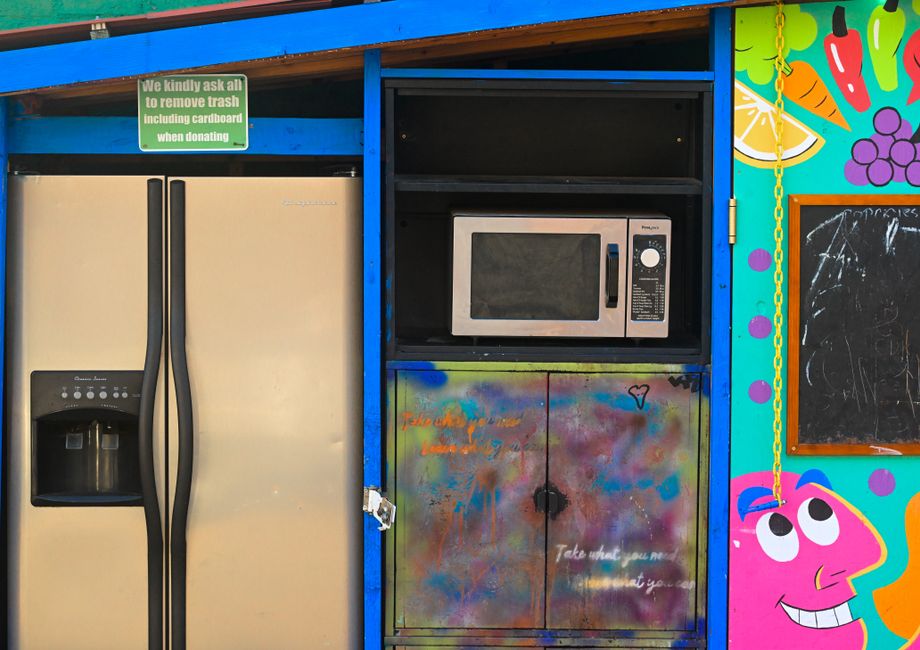
Yes, microwave ovens emit radiation, but it is a specific type called non-ionizing radiation. This is fundamentally different from the ionizing radiation produced by X-rays or nuclear materials. Microwaves use this energy to heat food by causing water molecules to vibrate, and when the oven is working correctly, the radiation is contained inside.
What Kind of Radiation Do Microwaves Actually Emit?
Microwaves are a form of electromagnetic radiation, just like visible light or radio waves. They sit between radio waves and infrared light on the electromagnetic spectrum. This is non-ionizing radiation, which means it lacks the energy to strip electrons from atoms or damage DNA directly.
Ionizing radiation, like X-rays and gamma rays, has enough energy to cause cellular damage that can lead to cancer. Non-ionizing radiation does not have that capability. The only established biological effect of microwave radiation at the levels used in home appliances is heating. That is why the mechanism of a microwave oven is to heat water molecules in food.
How Does the Oven Keep Radiation Inside?
The design of a microwave oven is built around containment. The metal walls of the cooking cavity reflect microwaves, preventing them from escaping into the room. The door has a metal mesh screen with holes that are far smaller than the wavelength of the microwaves, which blocks the radiation while still allowing you to see inside.
There are also interlock switches that cut off the microwave generator the moment the door latch is opened. These are redundant safety features. Regulatory agencies in the United States require microwave ovens to limit radiation leakage to a very low level measured at a specific distance from the oven over the lifetime of the appliance.
This means that under normal use, with an intact door seal and no physical damage, the amount of radiation that escapes is negligible. The design standards are strict, and the engineering is mature. It is a well-established area of consumer safety regulation.
Is the Radiation the Same as What Comes From Cell Phones?
Microwave ovens and cell phones both emit non-ionizing radiofrequency radiation, but at different power levels and frequencies. A microwave oven operates at around 2.45 gigahertz, which is a frequency specifically absorbed well by water molecules. Cell phones operate on various frequencies for communication, not for heating.
The key difference is power. A microwave oven generates hundreds of watts of power to cook food. A cell phone transmits at a fraction of a watt. The exposure you receive from standing near a functioning microwave is far lower than the exposure from holding a phone to your head, simply because the oven is engineered to contain its energy.
Research on cell phone radiation and health outcomes is extensive and ongoing. However, the physics of microwave oven leakage is a separate matter. The containment is the primary safety mechanism, and it is highly effective when the appliance is not damaged.




What Does Research Say About Health Risks From Microwave Leakage?
Research consistently shows that properly functioning microwave ovens do not pose a health risk from radiation exposure. The levels of leakage that occur over an oven’s lifetime are far below the limits set by safety standards. These standards are based on the known biological effects of non-ionizing radiation, which are thermal.
The concern is only relevant if the oven is damaged. A warped door, a broken hinge, or a compromised seal could allow radiation to escape at higher levels. The most obvious sign of a problem is a visible gap in the door or physical damage to the latch mechanism. If an oven is visibly damaged, it should be repaired or replaced.
Some research has looked at whether long-term exposure to low-level non-ionizing radiation has non-thermal health effects. The evidence for this is mixed and not conclusive. Regulatory limits are based on thermal effects because those are the only ones that are clearly established in the scientific literature.
Does Cooking With Microwaves Change the Food Chemically?
Microwave cooking heats food through dielectric heating, which is the process of water molecules absorbing microwave energy and rotating rapidly. This creates heat through friction. The chemical changes in the food are essentially the same as those caused by other forms of heating, like boiling or steaming.
Microwaves do not make food radioactive. The radiation energy is absorbed and converted to heat, and it does not remain in the food. Once the oven is off, there is no residual radiation in the food or in the oven cavity. This is a common misconception that persists despite clear physical evidence.
One notable difference is that microwave cooking can heat food unevenly. This can leave cold spots where bacteria survive. This is not a radiation safety issue, but it is a food safety concern. Stirring food midway through cooking and allowing it to stand after cooking helps distribute the heat evenly.
Are There Any Real Safety Concerns With Microwave Ovens?
The primary safety concerns with microwave ovens are not related to radiation exposure during normal operation. The real risks are burns from hot food and steam, fires from overheating certain materials, and the danger of heating liquids past their boiling point without visible bubbling.
Superheating is a genuine phenomenon. Water heated in a very clean container can exceed its boiling point without appearing to boil. When disturbed, it can suddenly erupt violently and cause serious scalding burns. This is more likely to occur with distilled water or water in a smooth, unscratched container.
Another concern is heating containers that are not microwave-safe. Some plastics can melt or leach chemicals when heated. Use containers labeled microwave-safe and avoid using thin plastic storage containers or plastic wrap directly touching food unless it is labeled for microwave use.
How Can You Check if Your Microwave Is Safe?
If you are concerned about leakage, there are some practical steps you can take. First, inspect the door seal and hinges regularly for any visible damage. If the door does not close firmly and evenly, the oven may not be safe to use.
You can also perform a simple test with a cell phone. Put a phone inside the unplugged microwave and close the door. Call the phone from another line. If it rings, microwaves may be escaping, because the metal mesh should block the cell signal. This is not a precise scientific measurement, but it can indicate a problem with the door seal.
Commercial microwave leakage detectors are available for purchase. However, for most households, a visual inspection and awareness of the oven’s age and condition are sufficient. If an oven is very old or has been dropped, professional testing or replacement is the safest option.
Frequently Asked Questions
Can you get cancer from standing near a microwave?
No. The non-ionizing radiation from a properly functioning microwave oven cannot damage DNA or cause cancer. Leakage levels are far below established safety limits.
Is it safe to eat food cooked in a microwave every day?
Yes. Microwave cooking is a safe method of food preparation and does not make food radioactive. The main risks are uneven heating and burns, not radiation exposure.
Do microwaves leak radiation as they get older?
Leakage can increase if the door seal or hinges wear out or become damaged. Regular visual inspection of the door and latch is recommended for older ovens.
Should you stand away from the microwave while it is running?
You do not need to stand away for safety reasons, but doing so is reasonable if you have concerns. The radiation levels outside a functioning oven are negligible.
