
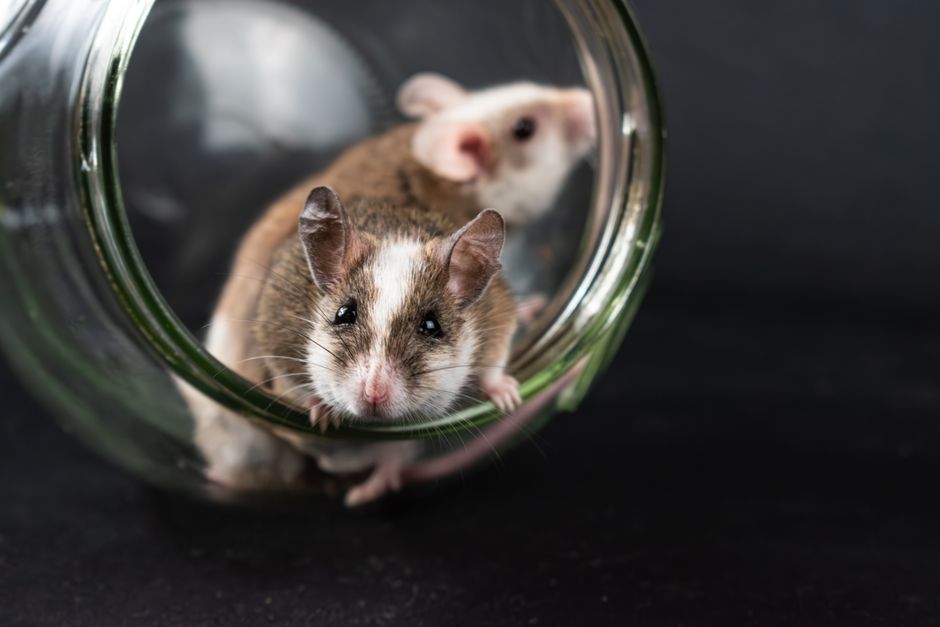
No. Mice do not store food in their cheeks. The animals famous for packing food into their cheeks are hamsters and certain other rodents, not mice. Mice carry food in their mouths and sometimes in their front paws, but they do not have the stretchy cheek pouches that let a hamster haul a pile of seeds back to its burrow.
The confusion is easy to understand. Mice and hamsters are both small rodents, both are common pets, and both are often shown in cartoons stuffing their faces. But the anatomy is different, and the behavior is different too. Here is what is actually going on.
Which Animals Actually Store Food In Their Cheeks?
Hamsters are the classic example. They have cheek pouches — thin, stretchy pockets of skin that run from the inside of each cheek back toward the shoulders. A hamster can stuff these pouches until its head looks twice its normal size, then carry the load home and empty it out.
Several other rodents have similar pouches. Ground squirrels, chipmunks, and pocket gophers all use cheek pouches to move food. The pocket gopher is even named for them. These pouches are not part of the digestive tract. Food goes in, stays dry, and comes back out — it does not get swallowed from the pouch.
Mice are a different story. The house mouse and the deer mouse, the two species people most often mean when they say “mouse,” have no cheek pouches at all. Their cheeks are just cheeks.
So the short answer to the question is no. But it is worth understanding why the mix-up happens and what mice actually do instead.
What Do Mice Do With Food Instead?
Mice carry food in their mouths. That sounds like a small distinction, but it matters. A mouse can hold a seed or a crumb between its teeth and its lips while it runs, and it can move fairly large pieces relative to its body size. It also uses its front paws to hold and turn food while eating, which is one reason mice look so busy when they eat.
What mice do far more than cheek-stuffing is caching — hiding food in stashes. A mouse will carry food back to a nest or a sheltered spot and pile it up. Researchers who study rodent behavior describe house mice as food hoarders, and the hoarding happens in a den or a hidden corner, not in the animal’s face.
This is a real survival strategy. A mouse that finds a reliable food source does not just eat until full. It moves food to a safe place so it has something to eat later, especially when the weather turns or when the local food runs out.
Why Do People Think Mice Store Food In Their Cheeks?
Three things drive the mix-up.
- Cartoons and children’s books often draw mice with bulging cheeks, borrowing the hamster look because it reads as “small rodent” to an audience.
- People confuse the two animals. Both are small, furry, fast, and often seen near food. If you spot a rodent with a full-looking face, assuming “mouse” is a common mistake.
- Mice genuinely do look puffy-cheeked sometimes — when they are eating, when they are carrying something, or when they are sick. A mouse with a swollen face or a lump on its cheek is not storing food, though. That is a different situation entirely.
That last point matters for pet owners. If a pet mouse has a visibly swollen cheek that does not go down, that is not normal caching behavior. It could be an abscess, a tumor, or a dental problem. A veterinarian who treats small animals should look at it.





How Are Hamster Cheek Pouches Different From A Mouse’s Mouth?
The difference comes down to structure. A hamster’s pouch is a dedicated storage compartment with its own lining. It is not connected to the throat, so food can sit there without being swallowed. The pouch can stretch a lot, and a hamster can empty it by pushing with its paws.
A mouse has none of that. Its mouth is a mouth. Food held there is on its way to being chewed and swallowed, and a mouse cannot park a meal in its cheek for later.
| Feature | Hamster | Mouse |
|---|---|---|
| Cheek pouches | Yes, large and stretchy | No |
| Where food is carried | Inside cheek pouches | In the mouth and front paws |
| Food hoarding | Yes, in pouches and in caches | Yes, in caches only |
| Pouch connected to throat | No | Not applicable |
One detail worth knowing: a hamster’s cheek pouches are delicate. Sharp food or a piece of bedding can injure the lining, and pouches can become impacted or infected. That is a real veterinary concern for hamster owners, and it is another reason the pouch is a specialized structure and not just a puffy cheek.
Is Food Hoarding In Mice A Problem For Homeowners?
It can be. A mouse that finds a steady food supply will stash it, and those stashes are often in wall voids, behind appliances, inside cabinets, or in stored boxes. This is one reason mouse problems can persist even after you think you have removed the food source.
The stashes themselves are not the main health concern. The bigger issue is what mice leave behind. Mice can contaminate food and surfaces with urine, droppings, and saliva, and they can carry pathogens. Public health agencies recommend sealing food in containers mice cannot chew through, cleaning up droppings carefully with gloves and disinfectant, and addressing entry points rather than relying on food removal alone.
If you find a hidden pile of seeds, pet food, or shredded material, that is a sign of an active mouse, not a one-time visitor. Cleaning it up without sealing the entry points usually means it comes back.
Do Pet Mice Hoard Food In Their Cage?
Yes, and it is normal. Pet mice commonly carry food to a corner, a hide, or a nest box and pile it up. Owners often find a small stash of kibble or seeds tucked away, sometimes behind a wheel or under bedding.
This is not a sign of a problem. It is the same caching behavior wild mice use. That said, a few practical notes are worth keeping in mind.
- Fresh food like vegetables and fruit should not be left in the cage for long periods, because it spoils. Remove uneaten fresh items rather than letting them sit in a stash.
- Dry food stashes are usually fine, but check them periodically so you can tell whether your mouse is actually eating.
- A sudden drop in eating, or a swollen cheek that does not go down, is a reason to see a veterinarian rather than assume it is hoarding.
If you are ever unsure whether a lump on a mouse’s face is stored food or something medical, the answer is almost always medical. Mice do not store food in their cheeks, so a persistent cheek swelling is not normal caching.
Why Does The Confusion Matter?
For most people, mixing up mice and hamsters is harmless. But the distinction is a good example of how easily animal behavior gets blurred in popular retellings. Mice and hamsters are different species with different anatomy, different social needs, and different care requirements.
If you keep either animal as a pet, knowing the difference helps you spot when something is wrong. A hamster with a full pouch is normal. A hamster with a pouch that stays full, or that seems painful, is not. A mouse with a puffy cheek is never storing food — it is carrying a bite, or something needs attention.
Small details like this are not trivia. They are the kind of thing that helps an owner notice a problem early, when it is easier to address.
Frequently Asked Questions
Do mice have cheek pouches?
No. Mice do not have cheek pouches. The rodents known for cheek pouches are hamsters, ground squirrels, chipmunks, and pocket gophers.
Which animal stores food in its cheeks?
Hamsters are the best-known example, and they can pack their cheek pouches until their head looks much larger. Several other rodents, including chipmunks and pocket gophers, do the same thing.
Why do mice look like they have full cheeks?
Mice often look puffy-cheeked while eating or carrying food in their mouths, and their fur can make the face look round. A cheek that stays swollen is not stored food and should be checked by a veterinarian.
Do pet mice hide food in their cage?
Yes, mice commonly stash dry food in a corner or nest box, which is normal caching behavior. Fresh foods should be removed before they spoil rather than left in the stash.
