
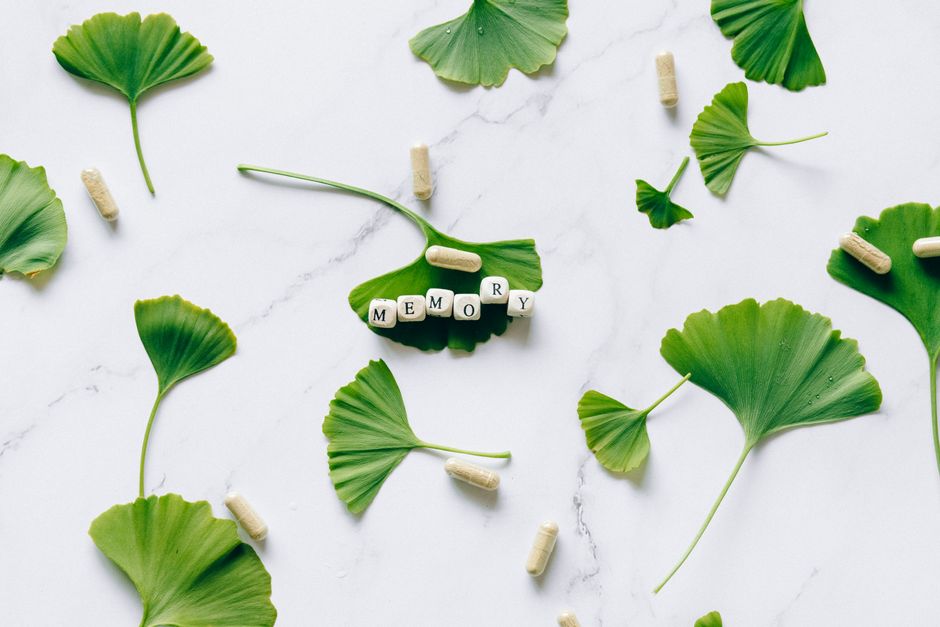
Memory fizz supplements are drinkable powders and tablets that dissolve in water and are marketed for focus, recall, and “brain fog.” The short answer: no supplement in this category has been shown in large, well-designed human trials to improve memory in healthy adults. Some contain ingredients with modest evidence behind them, but the doses in many commercial products are often lower than what was studied, and the marketing runs far ahead of the science.
What Are Memory Fizz Supplements?
Memory fizz products are effervescent or powdered drink mixes that typically combine vitamins, minerals, plant extracts, amino acids, or caffeine. They are sold as dietary supplements, not drugs.
That distinction matters. In the United States, dietary supplements are regulated differently from medications. They do not need approval from the Food and Drug Administration before they are sold. The FDA can act after a product is on the market if it is found to be unsafe or mislabeled, but there is no pre-market review of effectiveness. A company can sell a supplement without ever proving it does what the label implies.
Common ingredients in these products include B vitamins, vitamin C, caffeine, L-theanine, ginkgo biloba, bacopa monnieri, omega-3 fatty acids, and various “nootropic” compounds. Some of these have been studied. Others have very little human data behind them at all.
Do Memory Fizz Supplements Really Work?
For healthy adults with normal memory function, there is no strong evidence that these products improve memory. The honest position is that the evidence is limited, mixed, or absent depending on the ingredient.
This is not the same as saying every ingredient is useless. It means the specific claims made by most memory fizz brands are not supported by the kind of research that would justify them. A few ingredients have shown small effects in some studies, but results vary, study sizes are often small, and findings have not been consistently replicated.
There is also a practical problem. Even when an ingredient has some evidence, the amount in a commercial fizz product may differ from what was studied. Labels can be inaccurate. A 2019 analysis of several nootropic supplements found that many contained doses that did not match their labels, and some contained ingredients not listed at all. That kind of finding is not unique to this category — independent testing of supplements has repeatedly found label discrepancies across many product types.
If you are healthy and hoping a drink mix will sharpen your memory, the evidence does not support that expectation.
What Does the Evidence Say About Common Ingredients?
It helps to separate the ingredients. Some have been studied more than others, and the quality of that research varies widely.
- Caffeine — improves alertness and reaction time in the short term. It does not appear to improve memory itself. Effects are temporary and tolerance develops with regular use.
- L-theanine — often paired with caffeine. Some small studies suggest it may smooth out caffeine’s jittery effects. Evidence for memory improvement specifically is weak.
- Ginkgo biloba — studied extensively for memory and dementia. Large trials, including the Ginkgo Evaluation of Memory Study, did not find that it prevented dementia or improved memory in healthy older adults.
- Bacopa monnieri — some small trials suggest possible modest effects on memory acquisition. Results are inconsistent and study quality varies. Not enough to make a firm claim.
- Omega-3 fatty acids — important for brain health, but trials in healthy adults have not consistently shown memory improvement from supplementation.
- B vitamins — help correct deficiency. If you are not deficient, extra B vitamins have not been shown to boost memory.
The pattern is consistent: ingredients that help correct a deficiency work for that deficiency. Ingredients marketed for enhancement in already-healthy people rarely deliver.




Why Do People Feel a Difference After Drinking Them?
Many people report feeling sharper after taking a memory fizz. Several well-understood factors can explain that without any memory enhancement occurring.
Caffeine is the most obvious. If a product contains caffeine, you will feel more alert. That is a real effect, but it is not the same as better memory.
Expectation also plays a role. When people believe a product will help, they often report improvement. This is called the placebo effect, and it is well documented in supplement research. It is not imaginary — people genuinely feel different — but it does not mean the product changed underlying memory function.
Other factors matter too. If you are dehydrated, tired, or stressed, and you take a break to mix and drink something, you may feel better simply because you paused. That improvement gets attributed to the product.
None of this means the experience is fake. It means the cause may not be what the label suggests.
Are There Risks or Downsides?
Most memory fizz products are unlikely to cause serious harm in healthy adults at labeled doses, but “unlikely” is not the same as “no risk.”
Caffeine content is a real concern. Some products contain as much caffeine as a strong cup of coffee or more. If you take one on top of your usual coffee, you can easily exceed what you intended. Too much caffeine can cause jitteriness, rapid heartbeat, anxiety, and sleep problems. For people with certain heart conditions, high blood pressure, or anxiety disorders, this matters more.
Ingredient interactions are another issue. Ginkgo can increase bleeding risk and may interact with blood thinners. St. John’s wort, sometimes included in brain supplements, interacts with many medications including antidepressants. If you take prescription medication, check with a pharmacist before adding any supplement.
Label accuracy is a genuine problem. Independent testing has found that some supplements contain more or less of an ingredient than listed, or contain substances not on the label. Without third-party testing, you cannot be fully certain what you are consuming.
If you are pregnant, breastfeeding, or giving a supplement to a child, the situation is different. No clinical guidelines currently exist for memory fizz supplements in these groups. They should not be used without medical guidance.
What Actually Supports Memory?
The things with the strongest evidence for supporting memory are not sold in drink mixes.
Sleep is the most important. Memory consolidation happens during sleep. Chronic sleep deprivation impairs the ability to form and recall memories. No supplement replaces sleep.
Physical activity has consistent evidence behind it. Regular aerobic exercise is associated with better cognitive function and lower dementia risk in observational studies.
Managing cardiovascular risk factors matters for brain health. High blood pressure, diabetes, and high cholesterol are associated with cognitive decline. Controlling these through established medical care is more impactful than any supplement.
Staying mentally and socially engaged appears to help. Learning new things, maintaining relationships, and staying active are all associated with better cognitive outcomes.
If you are genuinely concerned about your memory — especially if it is affecting daily life — see a doctor. Memory changes can have treatable causes including thyroid problems, vitamin B12 deficiency, sleep disorders, depression, and medication side effects. Those are worth ruling out before spending money on a fizz tablet.
How to Evaluate a Memory Supplement Claim
When you see a memory fizz product, a few questions cut through most of the marketing.
- Does the label list exact amounts of each ingredient? If not, you cannot compare it to any research.
- Is the dose similar to what was studied? Many products use doses far below what showed effects in trials, if any effects were shown at all.
- Does the product cite studies on the finished product, or just on individual ingredients? Ingredient studies do not prove the product works.
- Does the marketing use words like “supports” or “promotes” rather than “improves”? These words are chosen because they are harder to challenge legally, not because they are more accurate.
- Has the product been tested by an independent lab? Third-party testing is not a guarantee, but it is a meaningful signal.
If a product makes strong claims without strong evidence, that tells you something about the company.
The Bottom Line on Memory Fizz
Memory fizz supplements are not proven to improve memory in healthy adults. Some ingredients have modest or mixed evidence, but the products themselves are rarely tested, doses are often unclear, and marketing claims outpace the science.
If you enjoy a caffeinated drink mix and it helps you feel alert, that is a real effect. It is just not memory enhancement. And if you are worried about your memory, a conversation with a doctor is worth more than any supplement on the shelf.
Frequently Asked Questions
Do memory fizz supplements actually improve memory?
No strong evidence shows that memory fizz supplements improve memory in healthy adults. Some individual ingredients have modest or mixed research behind them, but the finished products are rarely tested and doses often differ from what was studied.
Are memory fizz supplements safe to take every day?
Most are unlikely to cause serious harm in healthy adults at labeled doses, but caffeine content and ingredient interactions are real concerns. If you take prescription medication or have a heart condition, check with a pharmacist first.
Can memory supplements prevent dementia?
No supplement has been shown to prevent dementia. Large trials of ginkgo biloba, one of the most studied ingredients, did not find that it prevented dementia or improved memory in healthy older adults.
What should I do if I am worried about my memory?
See a doctor rather than self-treating with supplements. Memory changes can have treatable causes including thyroid problems, vitamin B12 deficiency, sleep disorders, depression, and medication side effects.
