
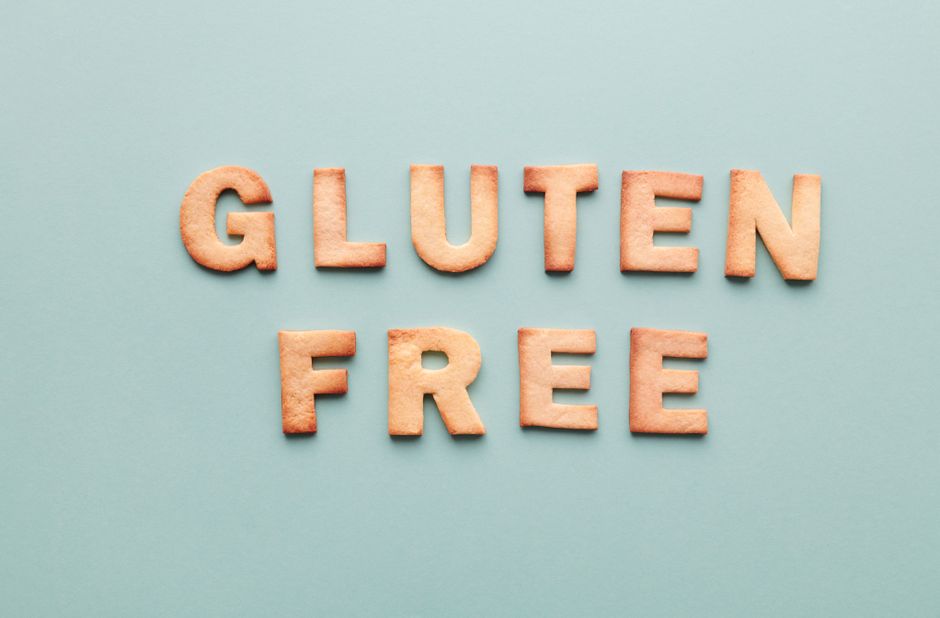
For most people, the quick answer is no — most standard marshmallows do not contain gluten. The classic recipe is made from sugar, corn syrup, gelatin, and air, with no wheat, barley, or rye involved. However, the longer answer involves cross-contamination, specific brands, and the difference between what is technically gluten-free and what is certified gluten-free. If you have celiac disease or a serious gluten sensitivity, the details matter more than the general rule.
Do Marshmallows Have Gluten in Their Standard Ingredients?
Standard marshmallows are made from a short list of ingredients. Sugar, corn syrup, gelatin, and sometimes modified cornstarch are the main components. None of these naturally contain gluten.
Gluten is a protein found in wheat, barley, and rye. It is not an ingredient that serves any purpose in marshmallow production. The fluffy texture comes from whipped gelatin and sugar, not from grain-based thickeners.
Most major brands, including Kraft Jet-Puffed and Dandies, produce marshmallows without gluten-containing ingredients. The ingredient labels on these products list no wheat, barley, or rye derivatives.
That said, ingredient lists change. Manufacturers occasionally alter recipes or source ingredients from different suppliers. Checking the label every time you buy is the only reliable way to know what is in the specific package in front of you.
What About Modified Food Starch and Other Additives?
Modified food starch appears in some marshmallow recipes. This ingredient sometimes causes confusion because it can be derived from wheat.
In the United States, when modified food starch is made from wheat, federal labeling law requires the manufacturer to state this on the ingredient list. The label must say “modified wheat starch” rather than just “modified food starch.” If the label simply says “modified food starch,” it is generally derived from corn, potato, or tapioca in the U.S. market.
Some specialty or imported marshmallows may follow different labeling rules. If you are outside the U.S. or buying imported products, the same labeling protections may not apply. When in doubt, contact the manufacturer directly.
Other additives like artificial flavors, colors, and preservatives are not typically derived from gluten-containing grains. But trace amounts can appear in flavoring carriers. This is one reason why certified gluten-free products exist — they undergo testing that standard products do not.
Cross-Contamination Risks in Marshmallow Production
The ingredient list tells you what is in the product. It does not tell you what the product touched during manufacturing.
Many food production facilities process multiple products on shared equipment. A facility that makes marshmallows may also process cookies, cereal, or other wheat-containing items. If equipment is not thoroughly cleaned between runs, trace amounts of gluten can end up in products that contain no gluten ingredients.
For someone with celiac disease, even small amounts of gluten trigger an immune response. The threshold for what is considered safe is generally below 20 parts per million of gluten, which is the standard used by the FDA for products labeled “gluten-free.”
Marshmallows from major manufacturers are often produced in dedicated facilities or on dedicated lines. But this is not guaranteed for every brand. Products labeled “gluten-free” must meet FDA standards, which include both ingredient review and manufacturing practices.
Products without a gluten-free label may still be safe, but they carry more uncertainty. If you have celiac disease and want to minimize risk, choosing a labeled gluten-free product is the more cautious approach.




Which Marshmallow Brands Are Gluten-Free?
Several major brands produce marshmallows that are labeled gluten-free. Kraft Jet-Puffed marshmallows carry a gluten-free label on most of their products. Dandies marshmallows are certified gluten-free and are popular among people with celiac disease because they are also free of common allergens.
Store brands vary. Some grocery chains label their marshmallows gluten-free, while others do not. Trader Joe’s marshmallows, for example, are labeled gluten-free. Other store brands may not carry the label even if their ingredients are gluten-free.
The most reliable approach is to look for the gluten-free label on the package. This label means the product has been reviewed and meets FDA standards for gluten content below 20 parts per million. Products without the label may be perfectly safe, but they have not been verified to the same standard.
For people with non-celiac gluten sensitivity rather than celiac disease, the risk tolerance may be different. Some people with sensitivity can tolerate trace amounts of gluten without symptoms. Others cannot. Knowing your own threshold is important for making food choices.
Peeps and Seasonal Marshmallow Products
Seasonal marshmallow treats like Peeps are a common question around Easter. Peeps are made by Just Born, and the company states that their standard Peeps products are gluten-free. However, some seasonal varieties may contain different ingredients.
Just Born provides allergen information on their website and on product packaging. The company clearly labels which products contain gluten. Checking the specific product you are buying is essential because seasonal varieties change from year to year.
Marshmallow-based cereals, marshmallow-filled cookies, and other processed treats are a different story. These products often contain wheat in the cereal base or cookie dough. A marshmallow-filled cookie is not gluten-free just because the marshmallow portion is safe.
Rice crispy treats made with marshmallows also require attention. Traditional Rice Krispies cereal contains malt flavoring derived from barley, which contains gluten. Gluten-free versions of crispy rice cereal exist, and when combined with gluten-free marshmallows, the treats can be safe.
How to Confirm a Marshmallow Product Is Gluten-Free
Reading the full ingredient list is the first step. Look specifically for wheat, barley, rye, malt, and any derivative of these grains. Malt flavoring and malt syrup are common hidden sources of gluten in processed foods.
Look for a gluten-free label on the package. This label is regulated by the FDA and means the product contains less than 20 parts per million of gluten. This is the threshold that the vast majority of people with celiac disease can tolerate without intestinal damage.
Contact the manufacturer if you have any doubt. Most food companies have customer service lines or online contact forms. They can tell you whether a product is made in a dedicated facility or on shared equipment.
Be aware that “wheat-free” is not the same as “gluten-free.” A product can be free of wheat but still contain barley or rye. Gluten-free labeling covers all three gluten-containing grains.
For people with celiac disease, the certified gluten-free label from organizations like the Gluten-Free Certification Organization adds another layer of assurance. This certification involves facility audits and ongoing testing that goes beyond FDA requirements.
Frequently Asked Questions
Are all marshmallows gluten-free?
No, not all marshmallows are guaranteed gluten-free, but most standard marshmallows contain no gluten ingredients. Products labeled gluten-free have been verified to meet FDA standards of less than 20 parts per million of gluten.
Can people with celiac disease eat marshmallows?
Yes, people with celiac disease can eat marshmallows that are labeled gluten-free. Marshmallows without a gluten-free label may be safe, but they carry a higher risk of cross-contamination during manufacturing.
Do Jet-Puffed marshmallows contain gluten?
Kraft Jet-Puffed marshmallows are labeled gluten-free and do not contain gluten ingredients. Always check the package label, as formulations can change over time.
Are marshmallows safe for a gluten-free diet?
Marshmallows labeled gluten-free are safe for a gluten-free diet. Plain marshmallows made only from sugar, corn syrup, and gelatin are generally safe, but flavored or coated varieties may contain gluten-containing additives.
