
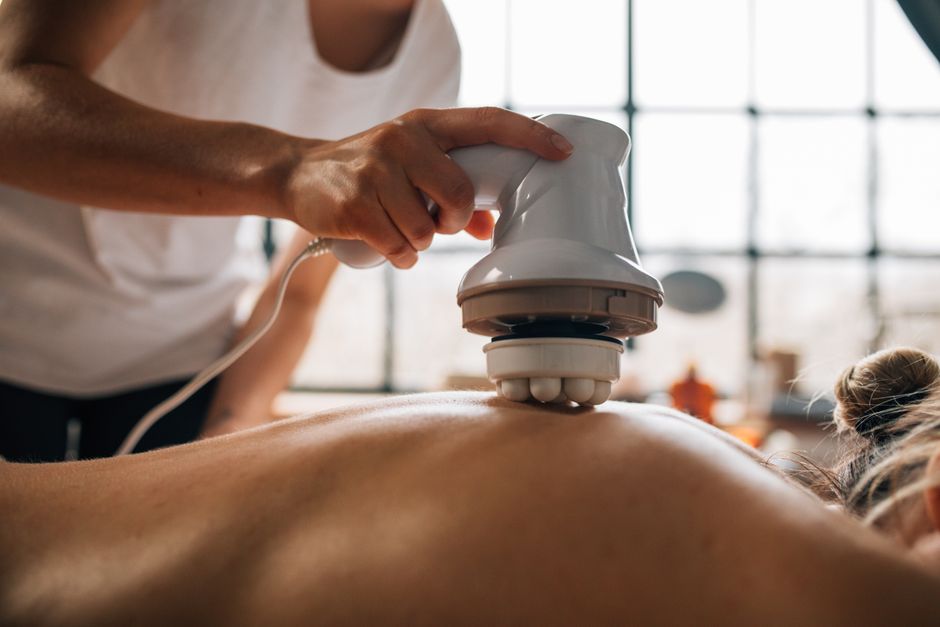
Your body already has a built-in waste disposal system, and it runs on its own without anyone’s help. The lymphatic system is a network of vessels and nodes that clears excess fluid, waste, and immune cells from your tissues. When people ask “Do lymphatic massages work?” the answer depends entirely on what you mean by “work.” For lymphedema, a specific medical condition, there is real clinical evidence supporting a specialized form of massage. For general detox, weight loss, or “boosting immunity” in healthy people, the evidence is far thinner.
What Is the Lymphatic System and What Does It Actually Do?
The lymphatic system is a one-way drainage network. Unlike your blood vessels, which loop through the heart, lymphatic vessels collect fluid from tissues and return it to your bloodstream. Along the way, this fluid passes through lymph nodes, which filter it and house immune cells that respond to infection.
The system moves roughly 2 to 4 liters of fluid per day in a healthy adult. That fluid is called lymph. It carries proteins, cellular waste, and bacteria away from tissues. Lymph nodes act as checkpoints where white blood cells, particularly lymphocytes, detect and attack pathogens.
Here is the part most people don’t realize: the lymphatic system has no central pump. Blood gets pushed by the heart. Lymph gets pushed by muscle contractions, breathing movements, and the natural squeezing of your arteries. That’s why movement and physical activity support lymph flow. It’s also why lying still for long periods can cause swelling.
When the system works properly, you never think about it. Problems arise when lymph vessels or nodes are damaged, blocked, or removed.
What Is Manual Lymphatic Drainage?
Manual lymphatic drainage (MLD) is not the same as a deep tissue massage or a spa-style “lymphatic massage.” MLD is a specific technique developed in the 1930s by a Danish therapist named Emil Vodder. It uses very light, rhythmic, directional strokes that follow the pathways of lymph vessels.
The pressure is gentle, much lighter than what you’d feel in a typical Swedish massage. The goal is to stretch the walls of lymphatic vessels to encourage fluid movement toward functioning lymph nodes. Therapists are trained in specific sequences that map the body’s lymphatic anatomy.
This distinction matters. Many spas advertise “lymphatic massage” but deliver something closer to a relaxing Swedish massage with long strokes. That may feel good, but it is not MLD. The clinical evidence for MLD applies to the trained technique, not to generic massage marketed under the same name.
Does Lymphatic Massage Help Lymphedema?
Yes. This is where the evidence is strongest. Lymphedema is a chronic condition where lymph fluid accumulates in tissues, usually in an arm or leg, causing swelling. It most commonly develops after lymph nodes are removed or damaged during cancer treatment, particularly breast cancer surgery.
A treatment approach called complete decongestive therapy (CDT) is considered the standard of care for lymphedema. CDT has several components: MLD, compression bandaging, skin care, and exercise. Research consistently shows that CDT reduces limb swelling and improves quality of life for people with lymphedema.
The role of MLD within CDT is a bit more nuanced. Some studies suggest that compression bandaging does most of the heavy lifting, and MLD adds modest additional benefit. Other research indicates MLD contributes meaningfully to fluid reduction and comfort. The evidence is mixed on how much MLD adds beyond compression alone, but the overall therapy package is well-supported.
What is clear: MLD should be performed by a trained therapist, usually as part of a broader treatment plan. It is not a standalone cure. And it is not something you should try to replicate at home based on a video.





Does Lymphatic Massage Detox Your Body?
No. Your body does not store toxins in a way that massage can squeeze out. The liver and kidneys handle detoxification. The lymphatic system clears fluid and waste, but it does this continuously on its own.
The word “detox” is a marketing term, not a medical one. No clinical evidence supports the idea that lymphatic massage removes toxins, heavy metals, or “built-up waste” from healthy people. Your lymphatic system is already doing that job. If it weren’t, you would be in a hospital.
That said, gentle massage can reduce swelling and improve comfort in people who have fluid retention from surgery, injury, or prolonged sitting. That’s a real effect. It’s just not detoxification.
Can Lymphatic Massage Help With Weight Loss or Cellulite?
No credible evidence supports lymphatic massage as a weight loss tool. Weight loss requires a calorie deficit. Massage does not burn meaningful calories or change how your body stores fat.
Some people report temporary reduction in the appearance of cellulite after massage. Cellulite is fat deposits pushing against connective tissue beneath the skin. Massage can move fluid and temporarily smooth the skin’s surface, but any visible change is short-lived. It does not break down fat or alter the underlying structure.
Claims that lymphatic massage “flushes fat” or “boosts metabolism” are not supported by clinical research. If a spa or influencer tells you otherwise, they are selling something.
What About Post-Surgery or Post-Injury Swelling?
MLD is sometimes used after surgery to reduce swelling and improve comfort. Some surgeons recommend it, particularly after cosmetic procedures like liposuction or after orthopedic surgery. The evidence here is less robust than for lymphedema.
Some studies suggest MLD can reduce post-operative edema and pain. Other studies show minimal difference compared to standard care. The results vary depending on the type of surgery, timing, and technique.
If you are considering lymphatic massage after surgery, ask your surgeon first. In some cases, early massage could interfere with healing. In others, it may help. This is a conversation to have with your medical team, not a decision to make based on what you read online.
What Are the Risks of Lymphatic Massage?
For most healthy people, gentle lymphatic massage is low risk. The main concern is that it may not do much beyond helping you relax.
Risks increase in certain situations:
- Active infection: Massage can spread infection through the lymphatic system. If you have an active skin infection, cellulitis, or fever, avoid massage until it clears.
- Blood clots: Massaging an area with a deep vein thrombosis could dislodge the clot. This is a medical emergency.
- Heart or kidney failure: If your body is already struggling to manage fluid, adding more fluid to your bloodstream through massage could cause problems.
- Untrained practitioners: A therapist who does not understand lymphatic anatomy may use too much pressure or wrong-direction strokes, potentially making swelling worse.
If you have any of these conditions, talk to your doctor before booking a session.
How Does Lymphatic Massage Compare to Other Treatments?
For lymphedema, MLD is part of a comprehensive approach. It is not a replacement for compression therapy, which is the cornerstone of lymphedema management. Exercise and skin care also matter.
For general wellness, lymphatic massage is not superior to regular physical activity. Walking, swimming, and other movement naturally stimulate lymph flow. Drinking water and maintaining a healthy diet support the system too. None of these are glamorous, but they are effective.
If you enjoy massage and find it relaxing, there is no harm in getting one. Just don’t expect it to replace proven treatments or make up for a sedentary lifestyle.
How Do You Know If a Practitioner Is Qualified?
Look for a therapist trained in manual lymphatic drainage specifically. In the United States, certification programs exist through organizations like the Lymphology Association of North America. A qualified therapist will have completed extensive training beyond basic massage school.
Ask about their background. A good therapist will ask about your medical history, including any surgeries, cancer treatment, or heart conditions. They will adjust pressure and technique based on your needs. If someone promises to “detox” you or “boost your immune system,” that’s a red flag.
For lymphedema, ideally see a therapist who works with a lymphedema clinic or has experience treating the condition. This is not a spa service. It’s a medical treatment.
Frequently Asked Questions
Do lymphatic massages actually work?
For lymphedema, yes. Manual lymphatic drainage is part of standard treatment and has clinical evidence supporting its use. For detox, weight loss, or general wellness in healthy people, the evidence is weak or absent.
Can lymphatic massage help you lose weight?
No. There is no credible evidence that lymphatic massage causes weight loss. Any temporary change is fluid loss, not fat loss.
Is lymphatic massage safe for everyone?
No. People with active infections, blood clots, or heart and kidney failure should avoid it unless cleared by a doctor. For most healthy people, it is low risk but may offer little benefit.
How often should you get lymphatic massage?
There is no standard recommendation for healthy people. For lymphedema, frequency is determined by a trained therapist as part of a treatment plan, often daily during intensive phases and less often during maintenance.
