
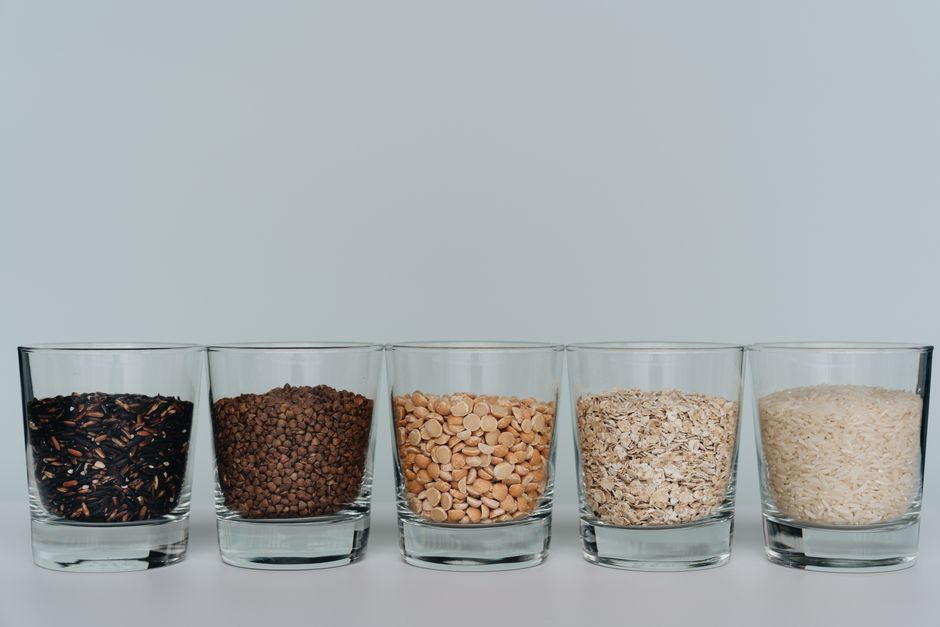
Yes, lentils can give you gas. That is a normal and expected response, not a sign that something is wrong with you or with the food. Lentils contain specific carbohydrates your small intestine cannot fully digest, and your gut bacteria ferment those carbohydrates in a way that produces gas. The effect is real, it is well understood, and for most people it is temporary.
Whether lentils bother you much depends on several things: how much you eat, how often you eat them, how they are prepared, and what your gut has become used to. None of that makes the gas imaginary. It just means the response is not fixed.
Why Do Lentils Cause Gas?
The cause is a group of carbohydrates called oligosaccharides, and lentils are a rich source. The main ones are raffinose and stachyose. Humans do not make the enzyme needed to break the bonds in these sugars, so they pass through the small intestine largely intact.
When they reach the large intestine, bacteria ferment them. Fermentation produces gas — mostly hydrogen, carbon dioxide, and in some people methane. That gas has to go somewhere, and the result is bloating, pressure, and flatulence.
This is not a flaw in lentils. It is ordinary digestion doing what it does with fiber and fermentable carbohydrates. The same family of compounds appears in beans, chickpeas, and soybeans. Lentils are simply part of that group.
Lentils also contain substantial fiber. A cup of cooked lentils provides roughly 15 to 16 grams of fiber, based on USDA data. Fiber is not broken down by human enzymes either, and it feeds gut bacteria. So lentils deliver two separate gas-producing inputs at once: oligosaccharides and fiber.
Does Every Type of Lentil Cause the Same Gas?
No. Different lentils behave somewhat differently, though the differences are modest rather than dramatic. The variation comes from how much oligosaccharide and fiber each type contains, and how the lentil is processed.
Red lentils tend to be split and cook down quickly. Green and brown lentils hold their shape and carry more intact fiber. Some evidence suggests that split and hulled lentils may be somewhat easier to tolerate than whole lentils with the seed coat intact, though the research on this specific comparison is limited.
One detail worth knowing: canned lentils are often lower in the compounds that drive gas than lentils you cook from dry. That is because some of the oligosaccharides leach into the liquid during canning and processing. Draining and rinsing canned lentils removes more of them. This is a practical point that does not get mentioned often enough.
How Can You Reduce Gas From Lentils?
The most reliable approach is to start small and increase slowly. Your gut bacteria adapt to what you regularly feed them. Someone who eats lentils once a month may notice gas every time. Someone who eats them several times a week often notices much less over time.
Several practical steps have reasonable support:
- Rinse and soak dry lentils. Soaking and discarding the soaking water removes some of the water-soluble oligosaccharides before cooking. This is a well-established step for legumes generally.
- Rinse canned lentils thoroughly. Draining and rinsing reduces the liquid that carries dissolved sugars.
- Cook lentils thoroughly. Well-cooked lentils are easier to digest than firm ones.
- Increase portion size gradually. Going from none to a large bowl in one sitting is the most common reason people give up on lentils.
- Drink enough water. Fiber needs fluid to move through the gut comfortably. Low fluid intake can worsen bloating.
There are also over-the-counter enzyme products that contain alpha-galactosidase, the enzyme that breaks down raffinose and stachyose. These are marketed for gas from beans and other legumes. Some people report benefit. The evidence for these products is modest and results vary, so they are worth trying rather than treating as a reliable fix.
Is Gas From Lentils a Sign of a Digestive Problem?
Usually not. Gas after eating lentils is an expected physiological response, not a symptom of disease. Most people who experience it are digesting normally.
That said, some symptoms are worth a conversation with a clinician. Persistent bloating that does not relate to food, significant pain, diarrhea, or blood in the stool are not explained by lentil gas alone. Neither is gas that appears suddenly and stays, especially in someone who previously tolerated lentils without issue.
Two conditions are commonly confused with ordinary legume gas. Irritable bowel syndrome can make fermentable carbohydrates produce more noticeable symptoms, and the low-FODMAP approach is sometimes used in clinical settings to manage it. Small intestinal bacterial overgrowth is another condition where bloating and gas are prominent. Neither can be diagnosed from gas alone, and both require proper evaluation.
If lentils consistently cause severe discomfort rather than mild gas, that is worth mentioning to a doctor rather than simply avoiding lentils indefinitely.
Do Lentils Have Benefits That Outweigh the Gas?
The gas is a side effect of the same properties that make lentils valuable. The fiber and oligosaccharides that feed gas-producing bacteria also feed beneficial bacteria. They act as prebiotics.
Lentils are a strong source of plant protein, folate, iron, and fiber. Research has consistently linked regular legume intake to favorable effects on cholesterol and blood sugar control. Lentils have a low glycemic index, meaning they raise blood sugar slowly compared with refined carbohydrates.
That does not mean lentils are a treatment for anything. It means that for most people, the gas is a manageable trade-off rather than a reason to avoid a genuinely nutritious food. The discomfort is real, but it is usually short-lived and often diminishes with regular eating.
One clarification worth making: the gas response is not a sign that lentils are “hard to digest” in a harmful sense. They are digested — just later, by bacteria in the colon rather than by enzymes in the small intestine. That distinction matters because it reframes the gas as normal fermentation rather than a problem to eliminate.
Should You Avoid Lentils If They Give You Gas?
For most people, no. Avoiding a nutritious food because of temporary gas is usually unnecessary, and the gas tends to improve with regular, gradual exposure.
There are exceptions. If you have a diagnosed condition that makes fermentable carbohydrates problematic, follow the guidance of your clinician. If lentils cause pain or symptoms beyond mild gas, get it checked rather than self-managing.
For everyone else, the practical answer is to adjust how you eat lentils rather than whether you eat them. Smaller portions, proper soaking, thorough cooking, and patience with your gut’s adjustment period cover most of it.
Frequently Asked Questions
Do lentils give you gas every time you eat them?
Not necessarily. Many people notice less gas as their gut bacteria adapt to regular lentil intake. Portion size and preparation also affect how much gas you experience.
Are red lentils less gassy than green lentils?
Some people find split red lentils easier to tolerate, but the evidence comparing lentil types directly is limited. Preparation and portion size likely matter more than the variety.
Does rinsing canned lentils reduce gas?
Rinsing can help. Draining and rinsing removes some of the liquid that carries dissolved oligosaccharides, which are the compounds bacteria ferment to produce gas.
When should gas from lentils concern you?
Mild gas is normal and not a concern. Persistent pain, diarrhea, or blood in the stool are not explained by lentil gas and should be evaluated by a clinician.
