
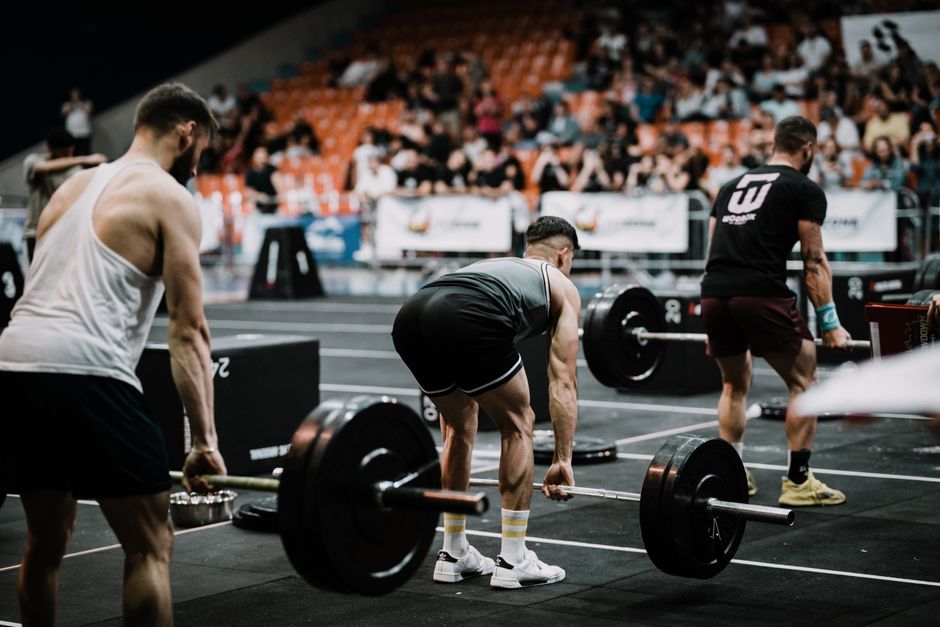
Leg workouts can raise testosterone, but the effect is small and short-lived. Heavy resistance training produces a brief spike in the hormone, typically lasting anywhere from a few minutes to about an hour after exercise. That spike does not translate into lasting increases in resting testosterone or meaningful muscle growth beyond what the training itself provides.
The idea that leg day is a hormonal shortcut has spread widely in fitness culture. The physiology is real but modest. Understanding what actually happens — and what does not — matters more than chasing a number on a blood test.
Do Leg Workouts Increase Testosterone Levels?
Yes, in the short term. Research consistently shows that resistance exercise, including leg training, causes a temporary rise in circulating testosterone. The rise is acute, meaning it happens during and just after the session, then returns to baseline.
What the evidence does not show is that leg workouts produce a sustained increase in your baseline testosterone level. A single session will not change your hormonal set point. Even weeks of consistent training produce changes in resting testosterone that are small and inconsistent across studies.
This distinction is the heart of the matter. Acute spikes and chronic baseline levels are different things, and most of the marketing around leg training blurs them together.
The size of the acute spike also depends heavily on the workout. Large muscle groups, high volume, and moderate-to-heavy loads produce bigger responses than light or low-volume sessions. Leg exercises involve some of the largest muscle mass in the body, which is why they appear prominently in this research.
Why Do Leg Workouts Trigger a Testosterone Response?
Testosterone rises after heavy exercise as part of the body’s stress and recovery response. When you load large muscles with significant resistance, the body releases a cascade of hormones including testosterone, growth hormone, and cortisol. This is a normal physiological reaction to physical stress, not a special property of leg muscle.
The mechanism involves the hypothalamic-pituitary-gonadal axis. The brain signals the testes to produce more testosterone in response to the demands of exercise. The larger the muscle mass recruited and the greater the mechanical stress, the more pronounced the signal tends to be.
This is why compound leg movements like squats, deadlifts, and leg presses show up in studies more than isolation exercises. They recruit more muscle and create more systemic stress. But the same response occurs with heavy upper-body compound training too. Legs are not uniquely hormonal.
One clarification worth making: the post-exercise testosterone spike is not the primary driver of muscle growth. Mechanical tension on the muscle and progressive overload do most of the work. The hormonal surge is a byproduct of training, not the main mechanism behind hypertrophy.
How Big Is the Testosterone Increase After Leg Training?
The increase is measurable but modest. Studies on resistance exercise typically report post-workout testosterone rises in the range of roughly 10 to 20 percent above baseline, though results vary widely between individuals and protocols. Some sessions produce larger responses, some produce very little.
These numbers come with real caveats. Testosterone is released in pulses, and blood levels fluctuate throughout the day. A single measurement after a workout captures a moment, not a stable picture. Measurement methods also differ between studies, which makes direct comparison difficult.
The spike fades quickly. Within an hour or so, levels typically return toward baseline. For most people, this transient change has no meaningful downstream effect on muscle building, fat loss, or overall hormonal health.
It is also worth noting that intense training can temporarily lower testosterone in some contexts, particularly with very high volume or inadequate recovery. The hormonal response to exercise is not a simple upward line.
Does Leg Training Raise Resting Testosterone Over Time?
The evidence here is weak. Some studies suggest regular resistance training may modestly improve resting testosterone in certain groups, such as older adults or people who were previously sedentary. Other studies find no significant change. Results vary.
What the research does not support is the claim that leg workouts specifically raise your baseline testosterone. No well-controlled trial has shown that training legs produces a lasting hormonal advantage over training other muscle groups.
Where resistance training does reliably help is body composition, insulin sensitivity, bone density, and functional strength. These are well-established benefits supported by decades of research. Hormonal changes, when they occur, tend to be secondary and modest.
If your resting testosterone is genuinely low, exercise alone is unlikely to fix it. Low testosterone has multiple causes, and diagnosis requires blood testing by a clinician. Training is valuable for many reasons, but it is not a treatment for hypogonadism.
What Actually Affects Testosterone Levels?
Sleep, body fat, stress, and age have far more influence on resting testosterone than any single workout. Chronic sleep deprivation is consistently linked to lower testosterone. So is excess visceral fat, which affects hormone metabolism.
Several factors reliably influence testosterone in the research:
- Sleep duration and quality — most testosterone is produced during sleep, and chronic short sleep is associated with lower levels
- Body composition — higher body fat, particularly visceral fat, is linked to lower testosterone
- Chronic stress — prolonged elevation of cortisol can suppress the hormonal axis
- Age — testosterone declines gradually with age in most men, beginning around the fourth decade
- Medical conditions — obesity, type 2 diabetes, and sleep apnea are associated with lower testosterone
- Medications and substances — certain drugs, including opioids and some steroids, affect hormone production
Exercise fits into this picture as one supportive factor among many. It is not a lever you can pull to move testosterone dramatically on its own.
Is There Any Reason to Prioritize Leg Training?
Yes, but not because of testosterone. Leg training builds the largest muscle groups in the body, improves functional strength, supports bone density, and contributes to metabolic health. Those benefits are well established and do not depend on hormonal spikes.
The lower body contains roughly half your muscle mass. Training it supports everyday movement, balance, and joint health in ways upper-body training cannot replace. For older adults, leg strength is directly tied to fall risk and independence.
There is also a practical argument. Compound leg exercises like squats and deadlifts are efficient. They train multiple muscle groups at once and produce a strong training stimulus per unit of time. That efficiency is real, even if the hormonal story is oversold.
None of this means you should skip upper-body training. A balanced program that trains the whole body is the evidence-based approach. Leg day matters, but not because it is a hormonal hack.
Should You Train Legs Differently to Maximize Hormones?
No. There is no evidence that structuring your leg training around hormonal response produces better results. The variables that matter for muscle growth are well established: progressive overload, adequate volume, sufficient protein intake, and recovery.
Chasing a bigger post-workout testosterone spike by piling on volume or training to exhaustion is more likely to hurt recovery than help. Overtraining can suppress the hormonal axis rather than stimulate it.
If you enjoy heavy compound leg training, it is a sound way to build strength and muscle. If you prefer other training styles, you are not missing a hormonal benefit. The evidence does not support the idea that one specific approach to leg training changes your hormonal profile in a meaningful way.
Some clinicians and coaches emphasize the value of consistent, moderate training over extreme sessions. That aligns with the broader evidence on exercise and health, though the specific hormonal claims are often overstated.
Frequently Asked Questions
Do squats increase testosterone more than other exercises?
Squats produce a measurable acute testosterone spike because they recruit large muscle mass, but the response is not unique to squats. Other heavy compound movements produce similar short-term increases.
How long after a leg workout does testosterone stay elevated?
Typically for a short period, often less than an hour after the session ends. Levels usually return to baseline quickly, and the change has little lasting effect.
Can leg workouts raise testosterone permanently?
No clinical evidence currently confirms that leg workouts permanently raise resting testosterone. Regular exercise supports overall health, but any lasting hormonal effect appears small and inconsistent.
Is leg day necessary for muscle growth?
Leg training is important for balanced strength, bone health, and functional fitness, but it is not required specifically for testosterone-driven muscle growth. Whole-body training is the evidence-based approach.
