
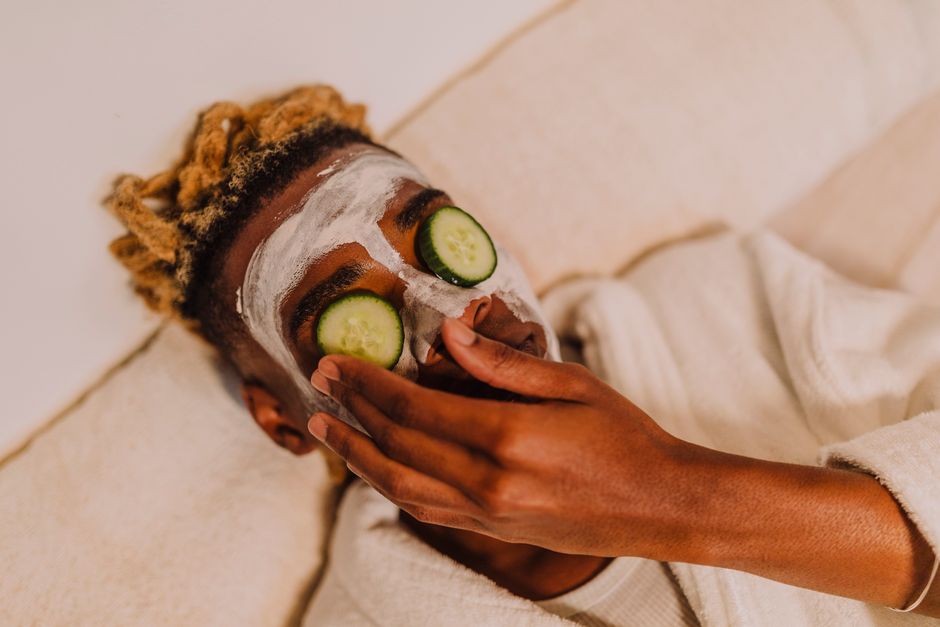
A do-it-yourself facial mask is a mixture you make at home from food or pantry items and spread on your face for a set time. The idea is popular, but the evidence behind most recipes is thin. Some ingredients are gentle and harmless for many people. Others can irritate skin, cause allergic reactions, or make certain conditions worse. The safest approach is to know what each ingredient actually does, patch test first, and keep expectations realistic.
Why Do People Make Their Own Facial Masks?
Most people try homemade masks for three reasons: cost, control over ingredients, and a wish to avoid synthetic chemicals. A jar of honey or a tub of plain yogurt costs less than most commercial products. You also know exactly what goes into the mix.
There is nothing wrong with those goals. But “natural” and “safe” are not the same thing. Poison ivy is natural. So is lemon juice, which is one of the most common irritants in homemade skincare. The word natural tells you where an ingredient came from, not whether your skin will tolerate it.
It also helps to understand what a mask can and cannot do. A mask sits on the skin’s surface for a short time. It can add temporary moisture and help soften the outer layer of skin. It cannot permanently change pore size, erase scars, or “draw out toxins.” Your skin does not store toxins that a clay mask can pull away. That marketing language has no basis in skin physiology.
What Common DIY Facial Mask Ingredients Actually Do
The ingredients in most recipes fall into a few groups, and each behaves differently on skin. Here is what is well established about the most popular ones.
- Honey holds moisture and has mild antibacterial properties in lab studies. It is generally well tolerated, though a small number of people are allergic to it.
- Plain yogurt contains lactic acid, a gentle alpha-hydroxy acid. It can soften dead skin cells, but the amount in yogurt varies and is not standardized.
- Oatmeal contains compounds called avenanthramides that appear to calm irritation. Colloidal oatmeal is an accepted skin protectant and appears in regulated over-the-counter products.
- Clay absorbs oil on the surface of skin. It can leave oily skin feeling less greasy for a while, but it does not shrink pores or remove impurities from deeper layers.
- Avocado and banana are mostly water and fat. They feel moisturizing, but there is no strong evidence they do more than a basic moisturizer.
- Egg white tightens and dries as it sets, which some people read as a firming effect. It is temporary and can be drying.
One point that surprises many people: the “active” amounts in food are usually far lower and far less consistent than in formulated skincare. A dollop of yogurt might contain a little lactic acid, but you cannot predict how much. That makes results hard to repeat and hard to study.
Which Ingredients Should You Avoid on Your Face?
Some common recipe ingredients carry real risk, and it is worth being direct about them. These are the ones most often linked to reactions.
- Lemon, lime, and other citrus juices are acidic enough to irritate skin and can cause a condition called phytophotodermatitis — a rash triggered when citrus on skin meets sunlight. This is well documented in dermatology.
- Baking soda is alkaline and can disrupt the skin’s natural acid barrier, leading to dryness and irritation.
- Cinnamon and essential oils are frequent causes of contact dermatitis. Undiluted essential oils should not go on skin.
- Raw egg carries a small risk of salmonella contamination, and raw egg white can irritate skin.
- Toothpaste contains ingredients meant for teeth, not skin, and can burn or dry the face.
If you have eczema, rosacea, or sensitive skin, the risk of a reaction is higher. Fragrances and plant extracts that are fine for one person can trigger a flare in another. There is no single recipe that is safe for everyone.




How Do You Do a Do It Yourself Facial Mask Safely?
Safety comes down to a few simple habits. None of them guarantee you will avoid a reaction, but they lower the odds.
First, patch test. Apply a small amount to the inside of your forearm and leave it for the same time you plan to keep it on your face. Watch for redness, itching, or burning over the next 24 hours. A reaction on your arm is a warning to keep it off your face.
Second, keep it clean. Wash your hands and use clean bowls and spoons. Bacteria grow quickly in food-based mixtures, so make only what you will use right away and throw out the rest. Do not store a homemade mask for later.
Third, limit the time. Most recipes suggest leaving a mask on for 10 to 15 minutes. That is a reasonable window, but if you feel stinging or burning, wash it off right away. Discomfort is not a sign it is working.
Fourth, skip open skin. Do not apply a mask to cuts, sunburn, active acne with broken skin, or a rash. And be careful around the eyes, which are far more sensitive than the rest of the face.
Do Homemade Masks Actually Work?
For basic moisturizing and temporary softening, some do. The evidence is strongest for ingredients that are already recognized skin protectants, like colloidal oatmeal and honey, which hold water in the outer layer of skin. That effect is real but short-lived.
For bigger claims — clearing acne, fading dark spots, reducing wrinkles, “detoxing” — the evidence is weak or absent. No well-designed human trials support most of these promises. That does not mean a mask is useless. It means the honest benefit is likely modest and temporary, and a good moisturizer or sunscreen will do more for your skin over time.
It is also worth separating what is widely done from what is proven. Many people enjoy a weekly mask as part of a routine, and that is fine. Enjoyment and ritual have value. But if you are hoping a honey-and-oat mix will treat a medical skin problem, that is where homemade recipes tend to fall short. Persistent acne, eczema, or rosacea are conditions a clinician can actually treat.
When Should You See a Doctor Instead?
Some skin problems need more than a pantry recipe. See a clinician if you have acne that is painful or leaving scars, a rash that spreads or will not heal, or skin that reacts to many products. These can be signs of a condition that benefits from proper treatment.
Stop using any homemade mask and get medical advice if you develop swelling, hives, blisters, or a rash that keeps getting worse. A severe allergic reaction can involve trouble breathing, and that is an emergency — call for help right away. For most minor irritation, washing the area gently with water and leaving it alone is the first step.
Frequently Asked Questions
Are DIY facial masks safe?
Many are safe for most people when made from gentle ingredients and patch tested first. Some common ingredients, like citrus juice and undiluted essential oils, can irritate skin or cause allergic reactions.
How long should I leave a homemade face mask on?
Most recipes suggest 10 to 15 minutes, and that is a reasonable limit. Wash it off sooner if you feel any stinging or burning.
Can I use lemon juice to lighten my skin?
Lemon juice is not a safe skin lightener and can irritate skin or trigger a rash when exposed to sunlight. No reliable evidence supports using it on the face.
Do homemade masks really remove toxins from skin?
No. Skin does not store toxins that a mask can pull out, so this claim has no scientific basis.
