
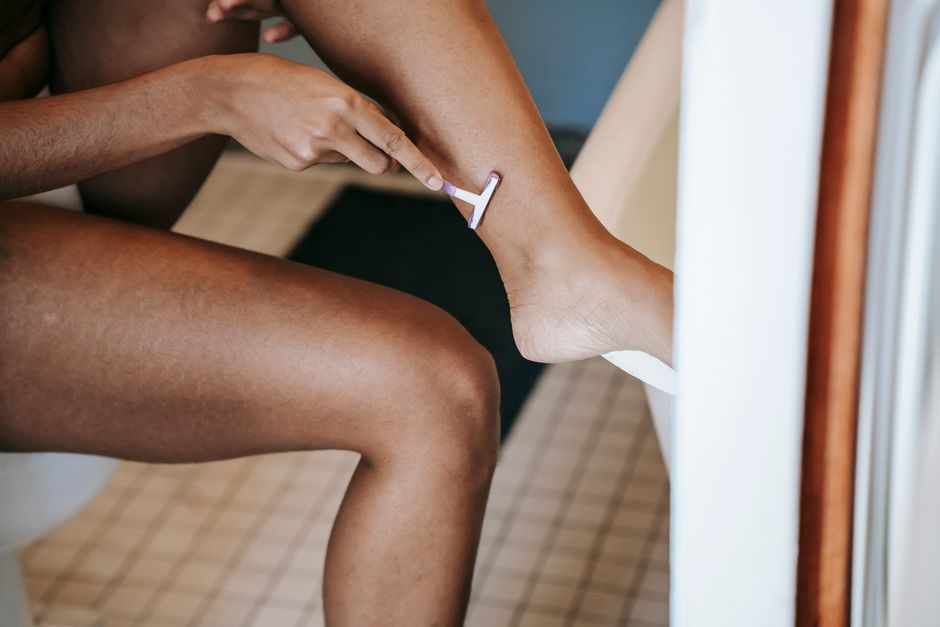
Most ingrown hairs do go away on their own. A single ingrown hair usually clears within a few days to a couple of weeks as the trapped hair works its way out or the body breaks it down. The ones that linger are often the result of continued hair removal, infection, or a hair that keeps curling back into the skin.
An ingrown hair happens when a hair grows back into the skin instead of rising out of the follicle. The body responds with mild inflammation, which is why you see a small red or dark bump. Understanding what drives that process tells you when to leave it alone and when to get help.
What Actually Causes an Ingrown Hair?
An ingrown hair forms when a growing hair curls back into the skin or grows sideways under the surface. The skin reacts to the misplaced hair with redness, swelling, and sometimes a small pus-filled bump. This is a mechanical problem first, not an infection.
Two patterns cause most cases. In one, a hair that has been cut or pulled grows back and re-enters the skin. In the other, dead skin cells block the follicle opening, so the new hair cannot break through and turns inward instead.
Several things make this more likely:
- Curly or coarse hair. The tighter the curl, the more easily a hair bends back toward the skin.
- Shaving close to the skin. Cutting hair below the surface lets it retract and grow inward as it returns.
- Waxing, tweezing, and plucking. Pulling hair out can leave the follicle more prone to trapping the next growth.
- Friction. Tight clothing rubbing against skin, especially after hair removal, increases the chance a hair turns inward.
- Dead skin buildup. When the follicle opening stays blocked, hair has nowhere to go but sideways.
Ingrown hairs are most common in areas that are shaved or waxed and prone to friction: the face and neck in men who shave, and the bikini line, legs, and armpits in people who remove hair there. They can happen anywhere hair grows.
Do Ingrown Hairs Go Away On Its Own?
Yes, most single ingrown hairs resolve without treatment. The hair either grows out on its own or the body gradually clears it. Mild redness and swelling typically settle over several days to a couple of weeks.
The catch is that “on its own” still depends on what you do in the meantime. If you keep shaving over the same spot, or pick at the bump, you can restart the cycle or introduce bacteria. A hair that would have cleared in a week can turn into a recurring problem.
Some ingrown hairs do not resolve on their own. A hair trapped deep under thickened skin, or a bump that becomes infected, may need more than time. Watch for a bump that keeps getting larger, becomes increasingly painful, or forms a firm cyst under the skin. Those are reasons to stop waiting.
When Should You See a Doctor for an Ingrown Hair?
See a doctor if an ingrown hair shows signs of infection or does not improve after a few weeks. Most cases are minor, but a small number need medical attention, and a few need a procedure to release the trapped hair.
Get medical care if you notice:
- Spreading redness, warmth, or swelling around the bump
- Increasing pain or a bump that keeps growing
- Pus that drains on its own or a boil-like lump
- Fever or feeling unwell
- A hard lump under the skin that does not shrink
- Repeated ingrown hairs in the same spot that scar
There is an important look-alike to know about. A very common condition called keratosis pilaris produces small rough bumps on the upper arms, thighs, and sometimes cheeks. It looks a little like many tiny ingrown hairs but is actually a buildup of keratin blocking the follicles. It is not an ingrown hair and does not resolve the same way. If you have clusters of small bumps rather than single inflamed spots, that distinction matters.
Also see a doctor if ingrown hairs keep coming back in the same area despite changes to your hair removal routine. Recurrent problems can sometimes point to a skin condition that needs a different approach.
What Helps an Ingrown Hair Heal Faster?
The most reliable thing you can do is stop irritating the area. Let the hair grow out, avoid shaving or waxing over the bump, and keep the skin clean. Warm compresses can help a trapped hair work its way to the surface.
General measures that clinicians commonly suggest include:
- Warm compresses. A clean warm cloth held to the area for a few minutes can soften skin and encourage the hair to surface.
- Gentle exfoliation. Light physical exfoliation can help remove dead skin blocking the follicle. Be gentle — harsh scrubbing worsens inflammation.
- Hands off. Do not squeeze or dig at the bump. This is the most common way a minor ingrown hair becomes infected or scarred.
- Loose clothing. Reducing friction helps the area settle.
On products: some over-the-counter creams marketed for ingrown hairs contain ingredients like salicylic acid or glycolic acid, which are used to exfoliate skin. The evidence that these reliably speed resolution of an ingrown hair is limited. They may help with the dead-skin buildup that contributes to the problem, but no strong trials confirm they clear an existing ingrown hair faster. Treat them as optional, not essential.
Do not try to dig out a deeply embedded hair with a needle or tweezers at home. This is a common habit and a common cause of infection and scarring. If a hair needs to be released and is not surfacing, that is a job for a clinician.
How Can You Prevent Ingrown Hairs?
Prevention comes down to how you remove hair and how you treat the skin around the follicle. The goal is to let hair grow out cleanly rather than trapping it under the surface.
Steps that reduce the chance of ingrown hairs:
- Shave with the grain. Shaving in the direction of hair growth, rather than against it, is widely recommended to reduce ingrown hairs.
- Use a sharp razor and shaving cream. A dull blade and dry skin increase irritation.
- Exfoliate before hair removal. Removing dead skin first helps hair exit the follicle cleanly.
- Moisturize afterward. Keeping skin soft reduces the chance of a hair catching on rough skin.
- Consider the method. For people who get frequent ingrown hairs, some find that electric razors or leaving hair slightly longer reduces problems compared with close blade shaving.
- Avoid tight clothing right after hair removal. Friction on freshly treated skin raises the risk.
For people with persistent problems, some clinicians recommend laser hair removal. The reasoning is straightforward: if the hair is reduced, there is less hair to grow inward. This is a widely used approach, and it makes logical sense, though it is a treatment decision to discuss with a dermatologist rather than a guaranteed fix.
Do Ingrown Hairs Leave Scars or Dark Spots?
Ingrown hairs can leave dark marks on the skin, and less often can cause scarring. The dark spots are a form of post-inflammatory hyperpigmentation — extra pigment the skin produces after inflammation. They are more common in people with darker skin tones and can take months to fade.
Scarring is more likely when an ingrown hair is repeatedly picked, squeezed, or becomes infected. The best way to reduce both dark spots and scarring is to avoid irritating the bump and to treat any infection early. Dark marks usually fade on their own over time, though this can be slow. Persistent or bothersome marks are something a dermatologist can assess.
Do Ingrown Hairs Mean Something Is Wrong?
For most people, an occasional ingrown hair is a normal consequence of hair removal and friction. It is not a sign of an underlying disease.
Frequent or severe ingrown hairs in certain areas can sometimes be linked to a condition called pseudofolliculitis barbae, which mostly affects people with tightly curled hair who shave, particularly on the beard area. This is a recognized medical condition rather than just a cosmetic nuisance, and it can cause significant inflammation and scarring if not managed. If ingrown hairs are widespread, painful, or scarring despite prevention efforts, that is worth a medical evaluation.
The bottom line: most ingrown hairs are minor and self-resolving. The ones that are not usually give clear signals — worsening pain, spreading redness, a growing lump, or repeated problems in the same spot. Those signals are your cue to stop waiting and get them checked.
Frequently Asked Questions
How long does an ingrown hair take to go away?
Most single ingrown hairs clear within a few days to a couple of weeks. Bumps that stay painful, grow larger, or show signs of infection may need medical care rather than more time.
Should I squeeze an ingrown hair?
No. Squeezing or digging at an ingrown hair is a common way to cause infection and scarring, and it can make the bump worse.
Can I shave over an ingrown hair?
It is best to avoid shaving over the area until it heals. Shaving the same spot can restart the problem and irritate inflamed skin.
When should I worry about an ingrown hair?
Worry is reasonable if you see spreading redness, increasing pain, pus, fever, or a hard lump that does not shrink. Those signs suggest infection or a trapped cyst that needs a doctor’s assessment.
