
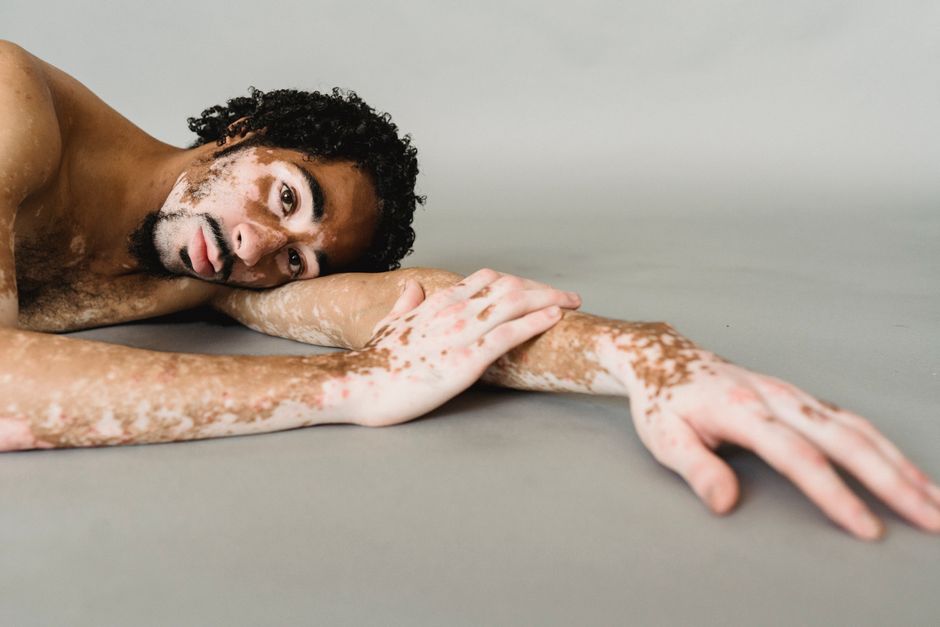
Yes, Indians have melanin, just like every other human being on Earth. Melanin is the pigment responsible for skin, hair, and eye color, and it is produced by cells called melanocytes. The amount and type of melanin in the skin is what creates the wide range of skin tones we see across the Indian subcontinent, from very fair to deep brown. This variation is not a difference in the presence of melanin, but a difference in its quantity, type, and distribution.
What Exactly Is Melanin and How Does It Work?
Melanin is a natural pigment produced by specialized cells in the skin called melanocytes. These cells sit at the bottom layer of the epidermis, the outermost layer of skin. Their job is to produce melanin and transfer it to other skin cells called keratinocytes.
There are two main types of melanin in human skin: eumelanin and pheomelanin. Eumelanin is dark brown or black. Pheomelanin is red or yellow. Everyone produces both types, but the ratio between them determines your specific skin tone. People with darker skin produce more eumelanin, while those with lighter skin have a higher proportion of pheomelanin.
The primary function of melanin is to protect the skin from the harmful effects of ultraviolet (UV) radiation from the sun. When UV rays hit the skin, melanocytes increase their production of melanin. This is what we call a tan. The melanin absorbs the UV radiation and disperses it as heat, preventing it from damaging the DNA in your skin cells.
Do Indians Have Melanin The Science Of Indian Skin
The science of Indian skin is a study in diversity. India is one of the most genetically diverse populations in the world, and this is reflected in the skin tones of its people. The skin color of Indians ranges from very light to very dark, often within the same family or community.
Scientifically, this variation is controlled by a number of genes. Researchers have identified several genes that play a significant role in determining skin pigmentation, including MC1R, SLC24A5, and TYR. Variations in these genes influence the amount and type of melanin produced, as well as how it is distributed in the skin.
Some research suggests that the genetic variants associated with lighter skin in South Asians are different from those found in Europeans. This indicates that light skin evolved independently in different parts of the world. The science is clear: an Indian person’s skin tone is a complex genetic trait, not a simple matter of having more or less melanin than another ethnic group.
How Skin Phototypes Explain Indian Skin
Dermatologists use a system called the Fitzpatrick scale to classify skin types based on how it reacts to sun exposure. The scale ranges from Type I, which always burns and never tans, to Type VI, which never burns and tans deeply. This scale is a clinical tool used to assess sun sensitivity and skin cancer risk.
Indian skin most commonly falls into Types III, IV, and V. Type III skin sometimes burns and tans gradually. Type IV skin burns minimally and tans easily. Type V skin rarely burns and tans very easily. This means that while Indian skin has more natural protection against UV radiation than very fair skin, it is not immune to sun damage.
It is a common misconception that darker skin does not need sun protection. This is false. While the risk of skin cancer is lower in people with darker skin, it still occurs. More importantly, UV exposure causes premature aging, hyperpigmentation, and dark spots, which are a major concern for many people with Indian skin. Sunscreen is recommended for everyone, regardless of skin tone.




Common Skin Conditions and Pigmentation in Indian Skin
Indian skin has specific characteristics that make it prone to certain conditions. One of the most common concerns is post-inflammatory hyperpigmentation (PIH). This occurs when a pimple, scratch, or rash leaves behind a dark mark. Because of the higher melanin content, the skin overproduces pigment in response to inflammation, leaving a stubborn dark spot that can take months to fade.
Another common condition is melasma. This is a form of hyperpigmentation that appears as brown or gray-brown patches on the face, often on the cheeks, forehead, and upper lip. It is more common in women and is frequently triggered by sun exposure and hormonal changes, such as those during pregnancy or from taking birth control pills.
People with Indian skin are also prone to a condition called pseudofolliculitis barbae, commonly known as razor bumps. This occurs when curly hair grows back into the skin after shaving, causing inflammation and dark spots. This is a direct result of the hair’s curl pattern, which is more common in darker skin types.
The Cultural and Historical Context of Skin Color
The science of skin color is only part of the story. In India, skin color has deep cultural and social significance that has nothing to do with biology. A preference for lighter skin has existed for centuries, influenced by historical invasions, colonial rule, and social hierarchies.
This preference has led to a massive skin-lightening industry in India. Many creams and treatments promise to lighten skin tone. It is important to understand that these products work by interfering with melanin production. Some contain ingredients like hydroquinone, which is effective but can have serious side effects, including ochronosis, a condition that causes the skin to become dark and thick.
The medical community is increasingly speaking out against the promotion of skin lightening. Dermatologists emphasize that a person’s natural skin tone is healthy and beautiful. The focus should be on treating specific skin conditions, like PIH or melasma, rather than attempting to change one’s natural complexion.
Is There a Difference in Skin Structure?
Beyond the amount of melanin, there are structural differences in skin that are more common in people of Indian descent. Studies have shown that Indian skin tends to have a slightly thicker dermis, the deeper layer of skin, compared to some other ethnic groups. It also has a higher density of fibroblasts, the cells that produce collagen.
These structural differences mean that Indian skin may be less prone to fine lines and wrinkles at a younger age. However, it is more prone to pigmentation issues and a condition called dermatosis papulosa nigra, which are small, dark, benign growths that often appear on the face and neck.
The skin barrier function, which is the skin’s ability to retain moisture and protect against irritants, is generally strong in Indian skin. However, the higher melanin content means that any irritation is more likely to result in a visible dark mark. This is why dermatologists often recommend gentle skincare products and emphasize the importance of sun protection for managing Indian skin.
How to Care for Indian Skin Based on Science
Effective skincare for Indian skin starts with understanding its biology. The primary goals are to protect the skin from UV damage, manage hyperpigmentation, and maintain a healthy skin barrier.
- Sun protection is non-negotiable. Use a broad-spectrum sunscreen with an SPF of 30 or higher every day, even when it is cloudy. This is the single most effective way to prevent hyperpigmentation and premature aging.
- Treat dark spots gently. Ingredients like vitamin C, niacinamide, and retinoids have clinical evidence supporting their use for fading hyperpigmentation. However, they should be introduced slowly to avoid irritation, which can make pigmentation worse.
- Avoid harsh scrubs. Physical exfoliants can cause micro-tears in the skin, leading to more inflammation and more pigmentation. Chemical exfoliants like glycolic acid or salicylic acid are often a safer choice when used correctly.
- Moisturize consistently. Keeping the skin barrier healthy helps it recover from inflammation and reduces the risk of PIH.
It is also important to be wary of unproven treatments. Many products claim to “glow” or “whiten” the skin without scientific backing. No topical cream can change your natural skin color permanently. Products that do lighten skin do so by inhibiting melanin production, and they come with risks. Always consult a board-certified dermatologist before starting any treatment for pigmentation.
Frequently Asked Questions
Do all Indians have the same amount of melanin?
No, the amount of melanin varies significantly among people of Indian descent. This genetic diversity is why skin tones in India range from very fair to very dark.
Is Indian skin more prone to dark spots?
Yes, because of higher melanin content, Indian skin is more prone to post-inflammatory hyperpigmentation, where any inflammation like a pimple leaves a dark mark.
Does Indian skin need sunscreen?
Yes, absolutely. While Indian skin has more natural UV protection than very fair skin, it is still susceptible to sun damage, premature aging, and hyperpigmentation.
Can skin lightening creams permanently change skin color?
No, no topical product can permanently change your natural skin color. These products work by inhibiting melanin production and carry significant health risks.
