
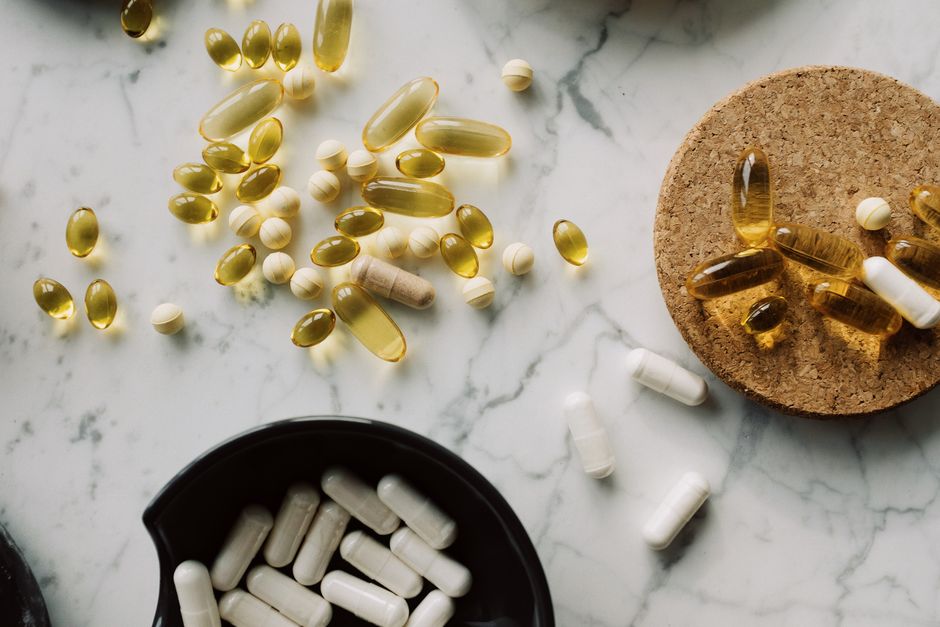
Walk into any pharmacy and you will see shelves lined with bottles claiming to support your immune system. The promise is appealing: take a pill and stay healthy. But the science tells a different story. For most healthy people, immune supplements do not prevent illness. They are not a shortcut to better health. Some may help in specific situations, such as correcting a deficiency or shortening a cold. But the idea that you can “boost” your immune system beyond its normal function is not supported by evidence. What works? A balanced diet, enough sleep, and staying active are proven strategies. Supplements are rarely the answer.
What Are Immune Supplements and Why Do People Take Them?
Immune supplements include vitamins, minerals, herbs, and probiotic products marketed to prevent or treat infections. Common ones are vitamin C, vitamin D, zinc, echinacea, elderberry, and probiotics. The idea behind them is that extra nutrients can strengthen your immune response so you get sick less often or recover faster. But your immune system is a complex network of cells and proteins. It does not work on a simple “more is better” principle. Giving it extra vitamins when you already have enough will not make it stronger. In some cases, too much can even cause harm.
People take these supplements because they want control over their health. Fear of getting sick — especially after the COVID-19 pandemic — drives demand. Marketers often use words like “boost” and “support” to suggest that taking a product will keep you well. These terms are not regulated. They can be used even when the scientific evidence is weak or missing. Understanding what the data actually shows is the only way to make an informed choice.
What Does the Science Say About Vitamin C for Immunity?
Vitamin C is one of the most studied nutrients for cold prevention. The idea that vitamin C prevents colds became popular decades ago after Nobel laureate Linus Pauling promoted it. But large controlled trials have not confirmed this. A 2013 Cochrane review of 29 trials found that taking vitamin C regularly did not prevent colds in the general population. However, it did reduce the duration of colds by about 8 percent in adults and 14 percent in children. That translates to roughly half a day less of symptoms. For marathon runners and soldiers in extreme conditions, vitamin C halved the risk of catching a cold. For most people, the effect is small.
High-dose vitamin C (2000 mg or more per day) can cause digestive upset and diarrhea. There is no evidence that mega-doses provide greater benefit than moderate doses. If you want to try vitamin C for a cold, taking 500–1000 mg daily when symptoms start is a reasonable approach. But do not expect it to work like a medicine. The benefit, if any, is modest.
Does Vitamin D Reduce Infection Risk?
Vitamin D is different. It plays a real role in immune function, and deficiency is linked to higher rates of respiratory infections. Several meta-analyses, including a 2017 study in the BMJ, found that vitamin D supplementation reduced the risk of acute respiratory infections in people who were deficient. The effect was strongest in those with the lowest starting levels. For people with adequate vitamin D levels, taking extra did not provide the same benefit.
This is an important distinction. Vitamin D supplements are not a universal preventive. They help correct a deficiency. If your blood level is already sufficient, adding more will not further reduce your risk of getting sick. Testing your vitamin D level is the only way to know if you need supplementation. Most health organizations recommend 600–800 IU per day for adults, but higher doses may be needed for deficiency. Taking very high doses (over 4000 IU daily) without medical supervision can lead to toxicity over time.




Can Zinc Shorten a Cold?
Zinc is one of the few supplements with consistent evidence for a specific use: shortening the duration of the common cold. Several clinical trials have shown that zinc lozenges or syrups can reduce cold symptoms by one to three days if taken within 24 hours of symptom onset. The mechanism is thought to be direct antiviral activity in the throat. The effect is strongest with lozenges that deliver 75 mg or more of elemental zinc per day for a few days.
However, zinc has downsides. It can cause a bad taste, nausea, and mouth irritation. Long-term use at high doses can lead to copper deficiency. Zinc nasal sprays have been linked to permanent loss of smell and should be avoided. For occasional use during a cold, zinc lozenges may be helpful, but they are not a daily preventive. No strong evidence supports taking zinc regularly to prevent colds in healthy people.
Do Herbal Supplements Like Echinacea and Elderberry Work?
Echinacea is one of the top-selling herbal supplements in the United States. But the evidence for its effectiveness is mixed. Some studies show a small reduction in cold duration, while many others find no benefit. A 2014 Cochrane review concluded the evidence is not consistent enough to recommend echinacea for cold prevention or treatment. Different species and parts of the plant are used in different products, which makes results hard to compare. Some research suggests that taking echinacea at the first sign of a cold might shorten symptoms by half a day, but the effect is not reliable across all products.
Elderberry has become popular for colds and flu. Small studies suggest it may reduce symptom duration by a few days when taken early. However, most of these studies are small, funded by manufacturers, or poorly designed. A 2021 systematic review found that while elderberry shows promise, the evidence is limited and more rigorous trials are needed. Neither echinacea nor elderberry have strong safety data for long-term use. They are generally considered safe for short-term use, but their effectiveness is not proven enough to rely on them as a primary strategy.
Are Probiotics Worth Taking for Immune Health?
Probiotics are live bacteria that may influence the immune system through the gut. Some studies suggest that certain probiotic strains can reduce the risk of upper respiratory infections and shorten their duration. A 2015 Cochrane review found that probiotics were better than placebo at reducing the number of people who got acute respiratory infections. But the quality of the evidence was low, and the benefit was small. The review noted that different strains and doses were used, making it hard to recommend a specific product.
Probiotics are generally safe for healthy people, but they are not a substitute for a healthy diet. The effect on immune function is indirect and varies by strain. If you choose to take probiotics, look for products with specific strains that have been studied, such as Lactobacillus rhamnosus GG or Bifidobacterium lactis. But do not expect them to prevent every cold. They are a supportive measure, not a proven shield.
Why Is the Evidence So Mixed?
Several factors explain why studies on immune supplements often disagree. First, people’s baseline nutrient levels matter. A supplement will help someone who is deficient far more than someone who is adequate. Many studies do not measure baseline levels. Second, the immune system is not a single target. Different infections, viruses, and bacteria respond differently to interventions. What works for one cold virus may not work for another. Third, supplement quality and dosing vary widely between products. A study using one brand of echinacea may not apply to another. Finally, many studies are small or funded by supplement companies, which can bias results.
Because of this, no single supplement delivers consistent, strong protection for the general population. The idea of a “immune booster” is a marketing concept, not a scientific one. Your immune system works best when it is well-nourished, rested, and not stressed. Supplements cannot replace that foundation.
Are There Risks to Taking Immune Supplements?
Yes. Even vitamins and minerals can be harmful in excess. Fat-soluble vitamins like A, D, and E can build up in the body and cause toxicity. High doses of zinc can cause nausea and interfere with copper absorption. Some herbs interact with medications. Echinacea may affect immune-suppressing drugs. St. John’s wort, sometimes included in immune blends, interferes with many medications, including birth control and antidepressants. The FDA does not regulate supplements for safety or effectiveness before they reach the market. That means a product may not contain what the label claims, may contain contaminants, or may have unexpected side effects.
For pregnant and breastfeeding women, children, and people with chronic conditions, the risks are higher. Always talk to your doctor before starting a new supplement, especially at high doses. The safest approach is to get nutrients from food, where they come packaged with fiber and other beneficial compounds that regulate absorption.
Who Might Actually Benefit from Immune Supplements?
Some groups have clear reasons to use certain supplements. People with diagnosed deficiencies benefit from correction. Vitamin D is recommended for breastfed infants, people with limited sun exposure, and those with dark skin living in northern latitudes. Zinc may be useful for people with restricted diets, such as vegetarians, but routine supplementation is not advised. Elderly people who eat poorly may benefit from a multivitamin, but evidence for infection prevention is weak. Travelers to areas with high infection risk may consider specific supplements, but general guidance varies.
If you are generally healthy, eat a varied diet, and have no known deficiencies, immune supplements are unlikely to give you an edge. Your immune system does not need boosting. It needs consistency — adequate sleep, low stress, physical activity, and good nutrition. Those are the factors that research consistently supports. Spending money on unproven supplements may give a false sense of security, which can lead to neglecting what actually works.
Frequently Asked Questions
Do immune supplements work for preventing colds?
For most healthy people, the evidence shows that common immune supplements do not reliably prevent colds. Some may slightly shorten a cold if taken early, but prevention is not proven.
Is it safe to take immune supplements every day?
It depends on the supplement and dose. Vitamins C and D are generally safe at recommended daily amounts, but high doses taken long-term carry risks. Always check with your doctor before daily use.
Which immune supplement has the most scientific evidence?
Vitamin D has the strongest evidence for reducing infection risk, but only in people who are deficient. Zinc lozenges have consistent evidence for shortening cold duration if taken early.
Can you get enough immune support from food instead of supplements?
Yes. A balanced diet with fruits, vegetables, whole grains, lean protein, and healthy fats provides the nutrients your immune system needs. Food sources are safer and more effective than supplements for most people.
