
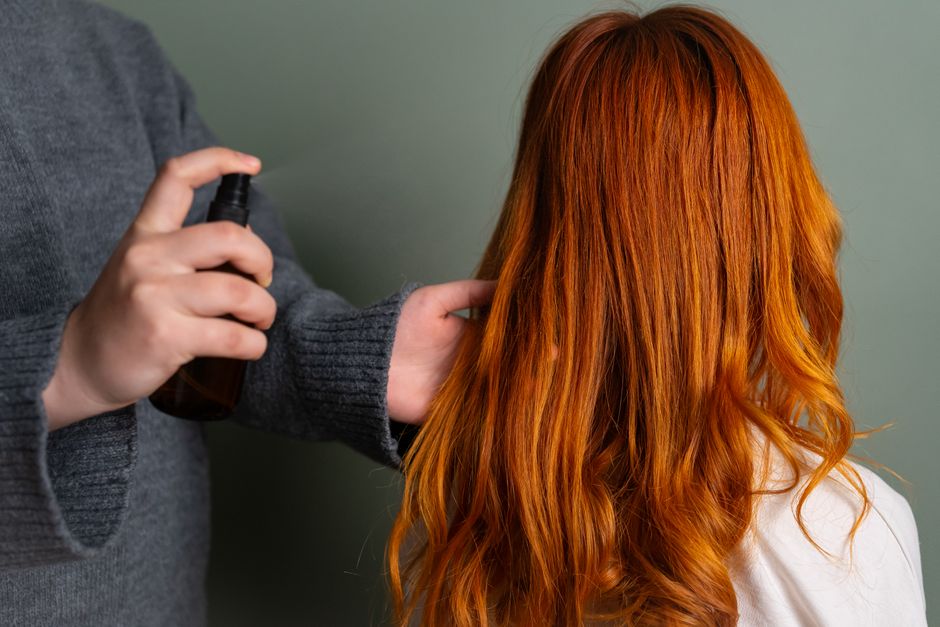
Most hair styling products do not cause hair loss. Shampoo, conditioner, gel, mousse, hairspray, and pomade are not known to damage the hair follicle or trigger permanent balding. What styling products and styling habits can do is damage the hair shaft itself, and in some cases irritate the scalp or contribute to a type of temporary shedding called telogen effluvium. The distinction matters: shaft damage and follicle loss are different problems with different causes and different outcomes.
Hair loss is common and often has nothing to do with what you put on your hair. Genetics, hormones, thyroid disease, iron deficiency, illness, and certain medications are well-established causes. Before blaming a product, it helps to understand what styling products actually can and cannot do.
Can hair styling products cause hair loss?
No established evidence shows that ordinary styling products cause the kind of hair loss that leads to balding. The medical term for the most common form, androgenetic alopecia, is driven by genetics and hormones acting on the hair follicle. No shampoo, gel, or spray has been shown to cause it.
Where products do play a role is at the surface. Some can dry out or stiffen the hair shaft, and heavy buildup can make hair look thinner and break more easily. Repeated harsh chemical treatments, such as relaxers and bleach, can weaken the shaft enough that hair snaps. That is breakage, not follicle death. Hair that breaks off can regrow once the damaged length is cut away and the hair is handled more gently.
A separate and often overlooked issue is the scalp. Products left on the scalp for long periods, especially heavy oils and pomades, can trap debris and contribute to irritation in some people. Persistent scalp inflammation is worth taking seriously because a healthy scalp is part of healthy hair growth.
What is the difference between hair breakage and hair loss?
Breakage and hair loss look similar in the mirror but happen for entirely different reasons. Breakage is damage to the hair shaft. Hair loss, in the medical sense, is hair leaving the follicle or the follicle shrinking over time.
Here is how the two tend to differ:
- Breakage: short broken strands, split ends, uneven length, and hair that snaps when wet or brushed. The follicle is still producing hair.
- Hair loss: thinning at the part, a receding hairline, widening areas of scalp, or noticeably more hair in the drain and on the pillow. The pattern usually follows a recognizable shape.
One clue is where the hair is lost. Breakage tends to cluster where hair is most handled or chemically treated. Hair loss from a follicle problem usually follows a pattern tied to genetics or a whole-body cause.
Breakage from styling is real, but it is not the same as going bald. That distinction shapes what you do about it.
Which styling habits and products are linked to hair damage?
Certain habits are well documented as causes of shaft damage, even when the product itself is not the problem. The common thread is physical and chemical stress on the hair.
Heat is the biggest one. Flat irons, curling wands, and blow dryers used at high heat repeatedly can cause what researchers call bubble hair, where moisture inside the shaft boils and creates weak spots. Wet hair is more fragile than dry hair, and heat applied to wet hair does more damage. Some research suggests that very high heat settings cause more structural change to the hair than lower ones, though the exact safe temperature for every hair type is not firmly established.
Chemical treatments carry more risk than most people realize. Relaxers, permanent waves, and bleach break chemical bonds in the hair to change its shape or color. Done repeatedly or combined, they can leave hair brittle. There is also a body of research linking frequent use of chemical hair straighteners to scalp irritation and, in some studies, to higher risk of certain health outcomes. That research is still developing, and the findings are not a reason to panic, but they are a reason to be thoughtful about frequency.
Tight hairstyles are a separate category. Ponytails, buns, braids, and extensions pulled tight can cause a type of hair loss called traction alopecia. Unlike breakage, this one does involve the follicle, and over time it can become permanent if the tension is not relieved. Loosening the style and giving the hairline a break is the main way to reduce the risk.




Can product buildup or scalp irritation lead to shedding?
Buildup alone does not usually cause true hair loss, but it can create conditions that make shedding more likely. When heavy products sit on the scalp, they can trap oil, dead skin, and residue. In people prone to dandruff or scalp inflammation, this can worsen irritation.
Severe or prolonged scalp inflammation is worth addressing. Some forms of inflammatory scalp disease are associated with temporary shedding, and a dermatologist can tell the difference between simple product buildup and a condition that needs treatment.
There is also a well-established type of shedding called telogen effluvium. It happens when a stressor pushes more hairs than usual into the resting phase of the growth cycle, and they fall out a few months later. Common triggers include illness, surgery, significant weight loss, childbirth, and severe emotional stress. A harsh chemical treatment or a badly irritated scalp could plausibly act as a trigger in some people, but this is not the typical cause. If you notice sudden, widespread shedding, the product is rarely the explanation, and a medical evaluation is a better first step.
Do sulfates, parabens, or “chemicals” in shampoo cause hair loss?
No clinical evidence confirms that sulfates or parabens in shampoo cause hair loss. These ingredients are widely used and have been the subject of marketing claims more than medical concern.
Sulfates are detergents that help shampoo lather and lift oil. They can be drying, especially for people with dry or chemically treated hair, and a harsh sulfate shampoo used daily can leave hair feeling rough. That is a texture issue, not a follicle issue. If your scalp feels tight or your hair looks dull, a gentler formula may suit you better. That is a comfort choice, not a medical necessity.
Parabens are preservatives that keep products from growing bacteria and mold. Regulatory bodies have reviewed their use in cosmetics, and current evidence does not establish that they cause hair loss. Avoiding them is a personal preference, not a proven way to protect your hair.
The phrase “chemical-free” on a label is marketing, not science. Water is a chemical. What matters is how a product affects your specific hair and scalp, not whether an ingredient sounds natural.
When should you see a doctor about hair loss?
See a doctor when hair loss is sudden, patchy, or accompanied by scalp symptoms like itching, pain, redness, or scaling. Those patterns point to causes that need a proper diagnosis rather than a product swap.
Also seek evaluation if you notice a widening part, a receding hairline, or thinning that keeps progressing over months. These are the typical signs of pattern hair loss, which has effective treatments but works best when started early.
Other reasons to get checked include hair loss alongside fatigue, unusual weight change, or feeling cold, which can point to a thyroid or nutritional issue. Hair loss after childbirth or a major illness is usually temporary and regrows, but a doctor can confirm what you are dealing with.
A dermatologist can often tell the difference between breakage, traction alopecia, telogen effluvium, and pattern hair loss in a single visit. That clarity is worth more than any number of product changes made on guesswork.
What actually helps protect hair from styling damage?
Gentler handling protects the hair shaft, and that is the part styling can genuinely influence. The follicle is largely governed by genetics and your overall health, which styling products cannot change.
Practical steps that reduce shaft damage include:
- Lower the heat on styling tools and use them less often.
- Let hair dry partly before applying heat, since wet hair is more fragile.
- Loosen tight styles and rotate where you place ponytails and clips.
- Space out chemical treatments like relaxers and bleach, and avoid combining them in one session.
- Use conditioner to reduce friction, which helps hair resist breakage during combing.
None of these steps will stop genetic hair loss, and it is worth being clear about that. What they can do is keep the hair you have in better condition and reduce the breakage that makes thinning look worse than it is.
Frequently Asked Questions
Can hair styling products cause hair loss?
Ordinary styling products like shampoo, gel, and hairspray are not known to cause hair loss at the follicle. They can dry out or damage the hair shaft, which leads to breakage rather than balding.
Does hair grow back after breakage from styling?
Yes, hair that breaks off regrows because the follicle is still working. The damaged length has to grow out or be trimmed, and gentler handling helps prevent it from happening again.
Can tight hairstyles cause permanent hair loss?
Yes, constant tension can cause traction alopecia, and over time the loss can become permanent if the pulling is not stopped. Loosening styles and giving the hairline a rest lowers the risk.
Do sulfates in shampoo cause hair loss?
No clinical evidence confirms that sulfates cause hair loss. They can be drying for some hair types, which is a texture issue rather than a follicle problem.
