
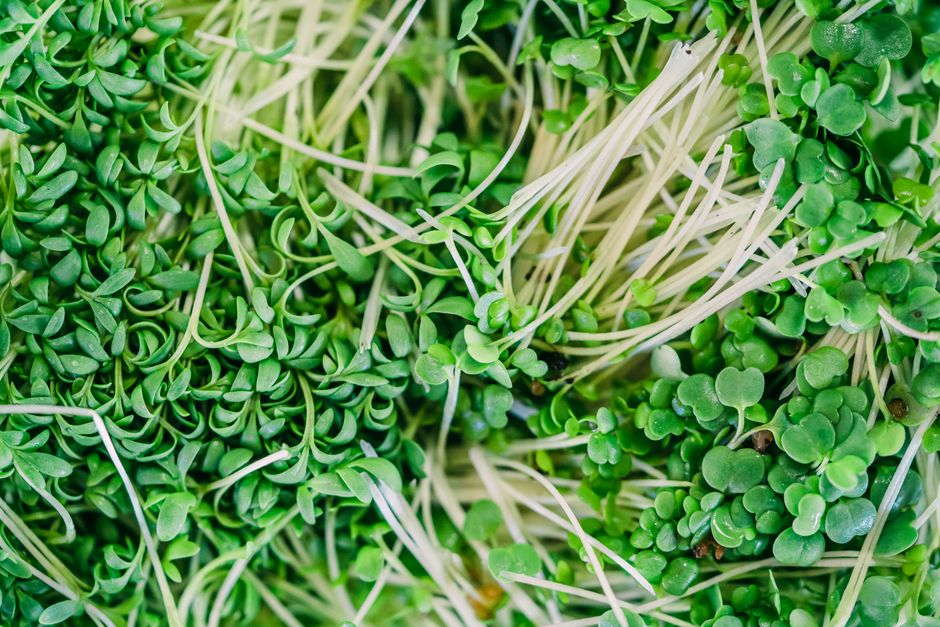
Green vegetables do not thin or thicken your blood. That is the short answer. The confusion comes from vitamin K, a nutrient found in leafy greens that your liver uses to make clotting proteins. If you take a blood thinner like warfarin, vitamin K can affect how well that drug works. But eating greens does not thin your blood or thicken it on its own.
This matters because a lot of people on blood thinners have been told to avoid spinach, kale, and broccoli. That advice is outdated and in most cases wrong. The real issue is not whether you eat greens. It is whether you eat them consistently.
What Does Vitamin K Actually Do in Your Body?
Vitamin K is a fat-soluble vitamin your body needs to make several proteins involved in blood clotting. Without it, your blood cannot clot normally.
The liver uses vitamin K to produce clotting factors II, VII, IX, and X. These proteins circulate in your blood and activate when you get a cut or injury. They form a clot to stop bleeding. Vitamin K also helps make proteins that keep calcium in your bones and out of your arteries.
Green leafy vegetables are the richest dietary source. Spinach, kale, collard greens, turnip greens, broccoli, Brussels sprouts, and lettuce all contain significant amounts. The specific form found in plants is called phylloquinone, or vitamin K1.
Your gut bacteria also produce some vitamin K2, though the amount and its contribution to your overall vitamin K status are still debated among researchers.
Here is the key point. Vitamin K does not thin blood or thicken blood. It enables normal clotting. Without enough, you bleed more easily. With normal amounts, your clotting system works as it should. Eating more greens than usual does not make your blood “thicker” in any meaningful sense.
Why Do People Say Green Vegetables Affect Blood Thinners?
Warfarin, sold under brand names like Coumadin and Jantoven, works by blocking vitamin K. That is its entire mechanism.
Warfarin inhibits an enzyme called VKORC1. This enzyme recycles vitamin K in your liver. When warfarin blocks it, your liver cannot make those clotting factors as efficiently. Your blood takes longer to clot. That is the intended effect for people at risk of dangerous clots.
Because warfarin and vitamin K work against each other, the amount of vitamin K you eat can shift your INR. INR stands for international normalized ratio. It measures how long your blood takes to clot compared to normal. For most people on warfarin, the target INR is between 2.0 and 3.0, though some conditions require a different range.
If you suddenly eat a lot more vitamin K than usual, your INR can drop. That means your blood is clotting faster than the target range, and the warfarin may not be protecting you as well. If you suddenly eat much less, your INR can rise, and you may bleed more easily.
The problem is the change, not the greens themselves.
This interaction is specific to warfarin. Direct oral anticoagulants like apixaban, rivaroxaban, edoxaban, and dabigatran work through different mechanisms. They do not block vitamin K. For people taking these medications, vitamin K intake is not a concern in the same way. If you are on one of these drugs and someone tells you to avoid greens, that advice does not apply to you.
Should You Avoid Green Vegetables if You Take Warfarin?
No. The standard clinical guidance is to keep your vitamin K intake steady, not to eliminate it.
Your body needs vitamin K for bone health, blood vessel function, and normal clotting. Avoiding greens entirely can lead to a deficiency over time and can make your INR harder to manage because even small amounts of vitamin K will cause larger swings when your intake is very low.
What clinicians generally recommend is consistency. If you normally eat a salad every day, keep eating it. If you normally do not eat many greens, do not suddenly start eating large amounts without telling your doctor. The goal is a stable baseline so your warfarin dose can be adjusted to match.
Some practical points that come up in clinical practice:
- Keep your intake of vitamin K-rich foods roughly the same from day to day and week to week.
- If you want to increase or decrease your greens, tell your doctor so they can monitor your INR more closely during the transition.
- Get your INR checked as scheduled. This is the only way to know if your level is in range.
- Be aware that some vitamin K amounts can vary. Cooking method, portion size, and even growing conditions can affect how much vitamin K is in a serving.
Some clinicians also recommend keeping a rough log of how many servings of greens you eat each day, especially when you are starting warfarin or adjusting your dose. This is not a formal guideline, but it can help you and your doctor spot patterns if your INR becomes unstable.



How Much Vitamin K Is in Common Green Vegetables?
The amounts vary widely. This table uses data from the USDA for cooked vegetables, per one-cup serving. Raw amounts differ because cooking concentrates some vegetables and not others.
| Vegetable (1 cup cooked) | Vitamin K (micrograms) |
|---|---|
| Kale | About 1,000 mcg |
| Collard greens | About 700 mcg |
| Spinach | About 900 mcg |
| Turnip greens | About 500 mcg |
| Broccoli | About 220 mcg |
| Brussels sprouts | About 220 mcg |
| Romaine lettuce (1 cup raw) | About 50 mcg |
For context, the adequate intake for vitamin K established by the National Academies is 120 micrograms per day for adult men and 90 micrograms per day for adult women. One cup of cooked kale contains roughly eight times the daily adequate intake for a man.
That does not mean kale is dangerous. It means the dose-response relationship between greens and INR can be significant. A single large serving of kale can affect your INR if you are on warfarin and not used to eating it.
Do Green Vegetables Thin Your Blood Naturally?
No. There is no mechanism by which vitamin K thins blood. Vitamin K supports clotting. If anything, it works in the opposite direction of a blood thinner.
Some foods and supplements do have mild antiplatelet or anticoagulant effects. Garlic, ginger, turmeric, ginkgo, and fish oil are sometimes mentioned in this context. The evidence for most of these is modest and the effect sizes are generally small compared to prescription anticoagulants. But none of these are green vegetables in the typical sense, and none of them are strong enough to replace medical treatment.
What about the idea that greens “clean your blood” or “detox” your system? That is not a real physiological process. Your liver and kidneys handle waste removal. Green vegetables support health in many ways, but they do not purify your blood.
Can Eating More Greens Cause a Blood Clot?
No. Eating green vegetables does not cause blood clots.
The theoretical concern is different. If you are on warfarin and you dramatically increase your vitamin K intake, your INR may drop below your target range. That means your warfarin is less effective. Your risk of a clot may increase because your anticoagulation is no longer adequate. The greens did not cause the clot. The drop in INR did.
This is why monitoring matters. If you are on warfarin and your INR is stable, you are in range, and you are eating a consistent amount of greens, you are not putting yourself at risk by eating salad.
For people not on blood thinners, vitamin K intake has no known effect on clot risk. Your body regulates clotting through a complex system of proteins and feedback loops. Eating broccoli does not tip that balance toward a clot.
What About Vitamin K Supplements?
Vitamin K supplements are a different situation from food. The dose in a supplement is concentrated and absorbed differently than vitamin K from vegetables.
If you take warfarin, you should talk to your doctor before starting any vitamin K supplement. Even a multivitamin can contain enough vitamin K to affect your INR. The same applies to liquid chlorophyll supplements, which are sometimes marketed for “detox” but contain vitamin K-like compounds.
For people not on warfarin, vitamin K supplements are generally not necessary if you eat a varied diet. Vitamin K deficiency is rare in healthy adults. It is more common in newborns, people with severe malabsorption conditions, and people who have been on long-term antibiotics that disrupt gut bacteria.
Frequently Asked Questions
Do green vegetables thin your blood?
No. Green vegetables contain vitamin K, which your body uses to make clotting proteins. Vitamin K supports normal clotting and does not thin blood.
Can I eat spinach and kale while taking warfarin?
Yes, you can and generally should. The key is to keep your vitamin K intake consistent from day to day so your doctor can adjust your warfarin dose to your usual diet.
Do I need to avoid green vegetables if I take a blood thinner?
It depends on which blood thinner you take. Warfarin interacts with vitamin K, so consistency matters. Direct oral anticoagulants like apixaban and rivaroxaban do not work through vitamin K and are not affected by greens in the same way.
What happens if I suddenly eat a lot more greens than usual?
If you take warfarin, a sudden increase in vitamin K can lower your INR and make the drug less effective. Tell your doctor if you plan to change your diet so they can monitor your levels.
