
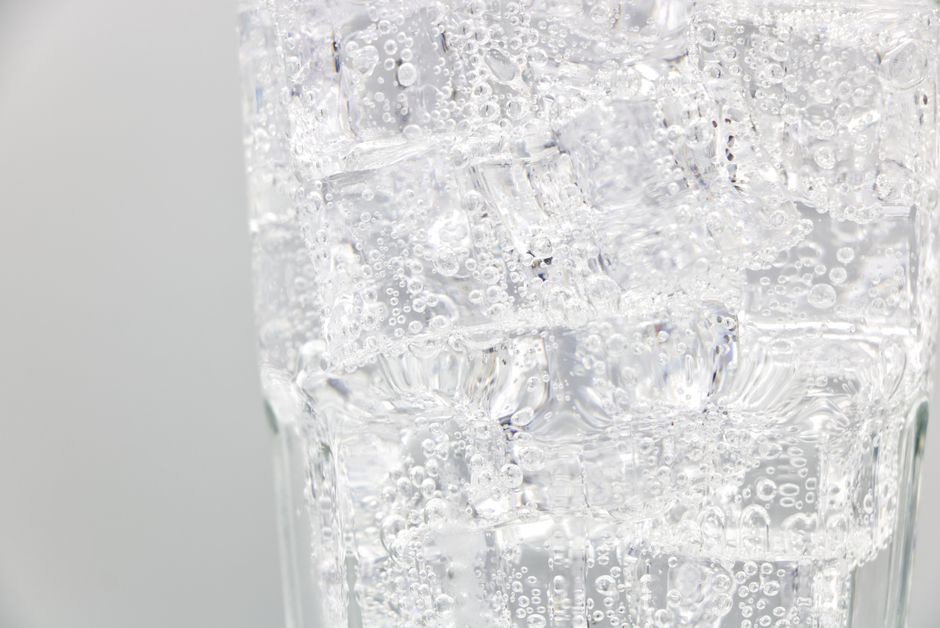
Fizzy drinks do not dehydrate you. The water in them counts toward your daily fluid intake. The caffeine in most sodas is mild enough that it does not cancel out the fluid you get from the drink itself. So the short answer is no. But the longer answer is more interesting, because not all fizzy drinks are the same, and the word “hydrate” is doing a lot of work in that sentence.
This guide explains what the research actually shows about carbonation, caffeine, sugar, and hydration. It also separates the fizzy drinks that genuinely help you stay hydrated from the ones that mostly just add sugar and calories to your day.
Do Fizzy Drinks Dehydrate You?
No. A carbonated beverage is still mostly water, and your body absorbs that water the same way it absorbs water from a plain glass. Carbonation is dissolved carbon dioxide gas. It changes the mouthfeel and the taste. It does not change how your kidneys handle fluid or how your cells take water in.
The dehydration claim usually traces back to caffeine. Caffeine has a mild diuretic effect, meaning it can nudge your kidneys to release a bit more urine. But that effect is small, and it is dose-dependent. At the caffeine levels found in typical soft drinks, the fluid you take in from the drink outweighs the fluid you lose from the mild diuretic effect.
Research on this question has generally found that caffeinated beverages consumed in normal amounts contribute to daily hydration in a way that is similar to plain water. That does not mean caffeine has zero effect. It means the net effect on your hydration status is close to neutral, and often slightly positive because you are drinking fluid at all.
One clarification worth making: “hydrating” and “healthy” are not the same word. A drink can keep you hydrated and still be a poor daily choice for other reasons. More on that below.
Does Carbonation Affect Hydration?
Carbonation itself does not reduce hydration. The bubbles are carbon dioxide dissolved under pressure. When you open the bottle, some of it escapes. When you drink it, the rest goes into your stomach and is released as gas, which is why you burp.
Some people notice bloating or a full feeling after carbonated drinks. That is a comfort issue, not a hydration issue. Feeling full does not mean the water in the drink failed to absorb.
There is a persistent idea that carbonated water is somehow less hydrating than still water. The evidence does not support that. Studies comparing carbonated water and still water have generally found no meaningful difference in hydration markers.
Where carbonation can matter is in what comes with it. Club soda and sparkling water are essentially carbonated water. Tonic water contains added sugar or sweetener plus quinine, which gives it a bitter taste. Cola and lemon-lime sodas contain carbonated water plus sugar or sweeteners, caffeine in many cases, and phosphoric or citric acid. The carbonation is the least of your concerns in that list.
Does Caffeine in Soda Cause Dehydration?
Not at the amounts found in most soft drinks. A typical cola has far less caffeine than a cup of coffee. At those doses, the diuretic effect is mild and short-lived, and it does not cancel out the fluid volume of the drink.
The relationship between caffeine dose and urine output is real, but it is not linear at low doses. Very high caffeine intakes can increase urine production. Moderate intakes, the kind most people get from a few sodas or a couple of coffees, generally do not lead to a net fluid loss.
People who regularly consume caffeine also tend to develop some tolerance to the diuretic effect. This is one reason why the “coffee dehydrates you” claim has not held up well in research on habitual coffee drinkers.
There is a practical caveat. If you are sweating heavily, exercising in heat, or recovering from illness with vomiting or diarrhea, plain water or an oral rehydration solution is a better choice than a caffeinated soda. That is not because the soda dehydrates you. It is because those situations call for faster, more targeted fluid and electrolyte replacement.
What About Sugar in Fizzy Drinks?
Sugar does not dehydrate you either, but it changes the picture in a different way. A sugary soda delivers water plus a large amount of dissolved sugar. Your body has to handle that sugar load, and the calories add up quickly.
The hydration question and the nutrition question are separate. A regular soda can hydrate you and still contribute a significant amount of added sugar to your day. The American Heart Association has recommended limiting added sugars, and sugary drinks are one of the largest single sources of added sugar in the typical American diet.
Very high sugar concentrations can slow gastric emptying, which means the fluid empties from your stomach more slowly. This matters mainly for drinks with extremely high sugar content, not for a standard can of soda. For everyday hydration, the sugar is a nutrition issue, not a hydration issue.
Diet sodas remove the sugar but keep the carbonation, caffeine, and acids. From a pure hydration standpoint, they behave much like their regular counterparts. From a dental standpoint, both regular and diet sodas are acidic, and the acid can contribute to enamel erosion over time with frequent exposure.
Which Fizzy Drinks Actually Hydrate You?
Most of them do, to some degree. The differences come down to what else is in the can. Here is a rough comparison of common fizzy drinks based on what they typically contain.
| Drink type | Main fluid | Caffeine | Added sugar | Hydration effect |
|---|---|---|---|---|
| Sparkling water | Water | None | None | Hydrates like still water |
| Club soda | Water | None | None | Hydrates; contains added minerals |
| Diet soda | Water | Often yes | None | Hydrates; caffeine effect is mild |
| Regular soda | Water | Often yes | High | Hydrates; adds sugar and calories |
| Tonic water | Water | None | Often high | Hydrates; sugar content varies |
If your goal is hydration with no extra sugar or caffeine, sparkling water and club soda are the closest thing to plain water in a fizzy form. If you are choosing a soda for taste, the hydration part is fine. Just know what else you are getting.
When Fizzy Drinks Are Not Enough
There are situations where any fizzy drink, or plain water for that matter, is not the right tool. Heavy sweating, prolonged exercise in heat, and illness with vomiting or diarrhea all cause losses of both water and electrolytes, mainly sodium and potassium.
In those cases, an oral rehydration solution formulated to replace both fluid and electrolytes is the standard approach. Sports drinks occupy a middle ground. They contain electrolytes and some sugar, and they are designed for situations involving sustained sweating. For a casual walk or a normal day at the office, they are not necessary.
Signs of dehydration to watch for include dark yellow urine, dry mouth, fatigue, dizziness, and reduced urine output. If you notice these, drink fluids. If they persist or come with confusion, rapid heartbeat, or fainting, that is a medical situation and needs prompt attention.
One more point that often gets lost. Thirst is a reasonable guide for most healthy adults going about their day. It becomes less reliable in older adults, in very hot conditions, and during intense exercise, which is why paying attention to urine color and how you feel matters alongside thirst.
The Bottom Line on Fizzy Drinks and Hydration
Fizzy drinks hydrate. The carbonation does not work against you, and the caffeine in typical sodas is not enough to tip the balance toward dehydration. If you enjoy a soda, the fluid in it counts.
The real question is not whether fizzy drinks dehydrate you. It is whether the drink you reach for is doing anything else you did not ask for, like adding sugar, acid, or caffeine you did not want. Sparkling water gives you the fizz with none of that. Regular soda gives you the fizz plus a sugar load that adds up fast if it is a daily habit.
For most healthy adults, a fizzy drink here and there is not a hydration problem. It is a choice about what else you want in your glass.
Frequently Asked Questions
Do fizzy drinks dehydrate you?
No, fizzy drinks do not dehydrate you. The water in them counts toward your daily fluid intake, and the caffeine in most sodas is too low to cause a net fluid loss.
Is sparkling water as hydrating as still water?
Yes, research comparing the two has generally found no meaningful difference in hydration. Sparkling water is water with dissolved carbon dioxide, nothing more.
Does the caffeine in soda cancel out the water?
No, at the caffeine levels found in typical soft drinks, the fluid you take in outweighs the mild diuretic effect. Very high caffeine doses can increase urine output, but that is not what a normal soda delivers.
What should I drink if I am actually dehydrated?
Plain water works for mild dehydration, and an oral rehydration solution is the standard choice when you have lost electrolytes through heavy sweating or illness. Seek medical care if dehydration symptoms are severe or come with confusion or fainting.
