
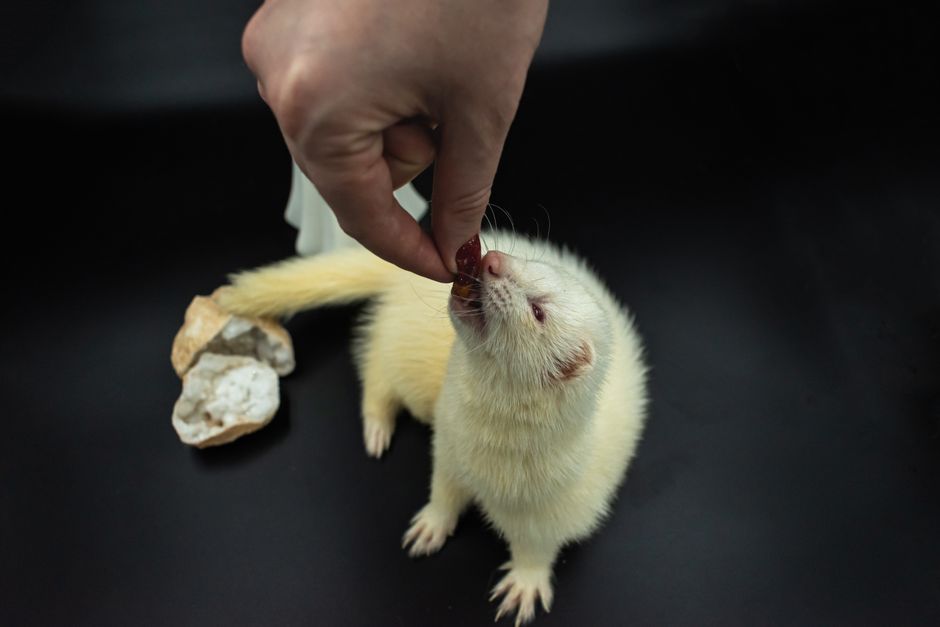
Ferrets bite, and when they do, it usually hurts. They are not aggressive animals by nature, but they have sharp teeth, strong jaws for their size, and a mouthful of bacteria that can turn a small puncture into an infection. Most ferret bites happen during play, during handling, or when a ferret feels scared or cornered. Understanding why they bite and what to do afterward matters more than fearing them.
Ferrets are domesticated animals, closely related to polecats and weasels. They have been kept as pets for centuries. That long history of domestication means they are generally calm around people, but it does not erase their natural instincts. A ferret that bites is usually communicating something, not attacking with intent to harm.
Do Ferrets Attack Humans Bite Risks Explained
Ferrets rarely attack humans in the way a territorial dog might. What looks like an attack is almost always one of three things: play behavior, fear, or pain.
Kits, or baby ferrets, bite constantly during play. This is normal. They wrestle with littermates by biting, and they bring that same behavior to human hands and feet. A young ferret mouthing your fingers is not being vicious. It is doing what ferrets do.
Adult ferrets bite for different reasons. A ferret that has not been handled much may bite out of fear. A ferret that is sick or in pain may bite when picked up. A mother ferret with kits will bite to protect them. These are defensive bites, not predatory ones.
The real risk is not the bite itself. It is what gets into the wound afterward. Ferret teeth are small and sharp, so they create deep puncture wounds that close over quickly. Bacteria get trapped under the skin. This is the same problem seen with cat bites, and it is why animal bites from small carnivores deserve attention.
How Serious Is a Ferret Bite?
A ferret bite can be more serious than it looks. The puncture may seem minor on the surface while bacteria are multiplying underneath.
Ferrets carry Pasteurella bacteria in their mouths, the same group of organisms found in cats and dogs. These bacteria can cause a fast-moving infection. Within hours, a bite site can become red, swollen, and painful. In some cases, infection spreads to the tendons, joints, or bloodstream.
The severity depends on several factors:
- Where the bite is located. Bites on the hand, wrist, or over a joint carry higher risk because of the tight anatomy and the number of tendons and joints in a small space.
- How deep the bite goes. A deep puncture traps bacteria and is harder to clean.
- How quickly it is treated. Washing and medical care within hours makes a real difference.
- The person’s health. People with weakened immune systems, diabetes, or poor circulation face higher risk.
Ferrets are not a common source of rabies in the United States, but any bite from a mammal is a rabies concern until the animal’s status is known. A ferret that is up to date on rabies vaccination and healthy is a different situation from a stray or unknown animal. If you are bitten by a ferret you do not know, or one that is not vaccinated, seek medical advice about rabies right away.
Why Do Ferrets Bite Their Owners?
Most bites from a pet ferret come down to communication, not aggression. Ferrets do not have many ways to say “stop” or “that hurts.”
Common reasons a pet ferret bites include:
- Play. Young ferrets and some adults bite during play, especially when hands are used as toys.
- Fear. A ferret that was not socialized early may bite when approached or picked up.
- Pain or illness. A ferret that suddenly starts biting may be hurting somewhere. This is a change worth noting.
- Rough handling. Squeezing, dropping, or waking a ferret suddenly can trigger a defensive bite.
- Protecting kits. A nursing mother ferret is more likely to bite.
- Hunger or stress. Changes in routine or environment can make a ferret edgy.
Ferrets are also naturally mouthy. They explore the world partly with their mouths. A nip during play is different from a hard bite, and the two should not be treated the same way.





How Do You Treat a Ferret Bite?
Treat any ferret bite as a wound that needs cleaning, not a scratch to ignore.
Steps that reflect standard wound care for animal bites:
- Wash the wound gently with mild soap and running water for several minutes.
- Apply pressure with a clean cloth if it is bleeding.
- Cover it with a clean bandage.
- Watch for signs of infection over the next 24 to 48 hours.
See a doctor if the bite is deep, on the hand or face, will not stop bleeding, or if you have not had a tetanus shot in the last several years. Tetanus is a real concern with any puncture wound, and a booster may be needed.
Signs that infection has set in include:
- Increasing redness or warmth around the wound
- Swelling that gets worse
- Pus or drainage
- Pain that increases rather than fades
- Fever or chills
- Red streaks moving away from the bite
These signs mean you need medical care, not home treatment. Some bite infections move quickly, and antibiotics are often required. Do not wait to see if it gets better on its own.
Can You Prevent Ferret Bites?
Most ferret bites can be prevented with patience and a few habits. Ferrets are trainable, but they respond to gentle, consistent handling rather than punishment.
What helps:
- Handle a new ferret slowly and let it get used to you.
- Do not use your hands as toys. Use actual toys instead.
- Support the body fully when picking a ferret up. Never grab or squeeze.
- Let a sleeping ferret wake on its own. Waking one suddenly often leads to a bite.
- Give a mother ferret with kits space.
- Watch for sudden changes in behavior. A ferret that starts biting when it never did before may be sick.
Some owners use a firm “no” and a brief pause in play when a ferret bites too hard. This mirrors how ferrets correct each other. It works better than yelling or punishment, which tend to increase fear and biting.
If a ferret bites repeatedly despite consistent handling, a veterinarian who works with ferrets can help rule out pain or illness. Behavior that changes without a clear reason is often a health signal.
Are Ferrets Dangerous Pets?
Ferrets are not dangerous in the way people sometimes fear. They are small, and a healthy, well-socialized ferret rarely bites hard enough to cause serious injury to an adult.
The bigger risk is to small children. A ferret bite to a child’s face or hand can be more damaging because of the size difference and thinner skin. Young children should be supervised around ferrets, and ferrets should not be left alone with infants or toddlers.
People with weakened immune systems should be especially careful. Any animal bite carries infection risk, and for someone whose body cannot fight infection well, that risk is higher.
Overall, ferrets can make good pets for the right household. They are playful, curious, and social. The bite risk is real but manageable with proper handling, early socialization, and prompt care when a bite happens.
What Should You Do If a Ferret Bites and Breaks Skin?
Broken skin changes the situation. Once a ferret’s teeth puncture the skin, bacteria have a path into the tissue.
Wash the wound right away with soap and water. Run water over it for a few minutes. This simple step removes some bacteria before they settle in.
Then decide whether to see a doctor. Bites on the hand, face, or over a joint should be checked. So should any bite on a person with a weakened immune system. If the ferret is not yours, or if its vaccination status is unknown, ask about rabies prevention.
Do not put off care because the wound looks small. Ferret bites often look minor at first and become serious within a day. The puncture closes and hides the problem underneath.
Antibiotics are sometimes prescribed as a precaution, especially for hand bites. A doctor will decide based on the wound and your health history. This is a case where early treatment is far easier than treating an infection later.
Frequently Asked Questions
Do ferrets attack humans?
Ferrets rarely attack humans in a predatory way. What looks like an attack is usually play, fear, or a reaction to pain, not aggression.
Are ferret bites dangerous?
Ferret bites can be dangerous mainly because of infection, not the wound itself. Their sharp teeth create deep punctures that trap bacteria, so bites need prompt cleaning and often medical care.
What should I do if a ferret bites me?
Wash the wound with soap and running water right away, cover it, and watch for signs of infection. See a doctor if the bite is deep, on the hand or face, or if the ferret’s vaccination status is unknown.
Can you get rabies from a ferret bite?
Rabies from a ferret is rare, but any mammal bite is a rabies concern until the animal’s status is known. If the ferret is unvaccinated or unknown to you, seek medical advice right away.
