
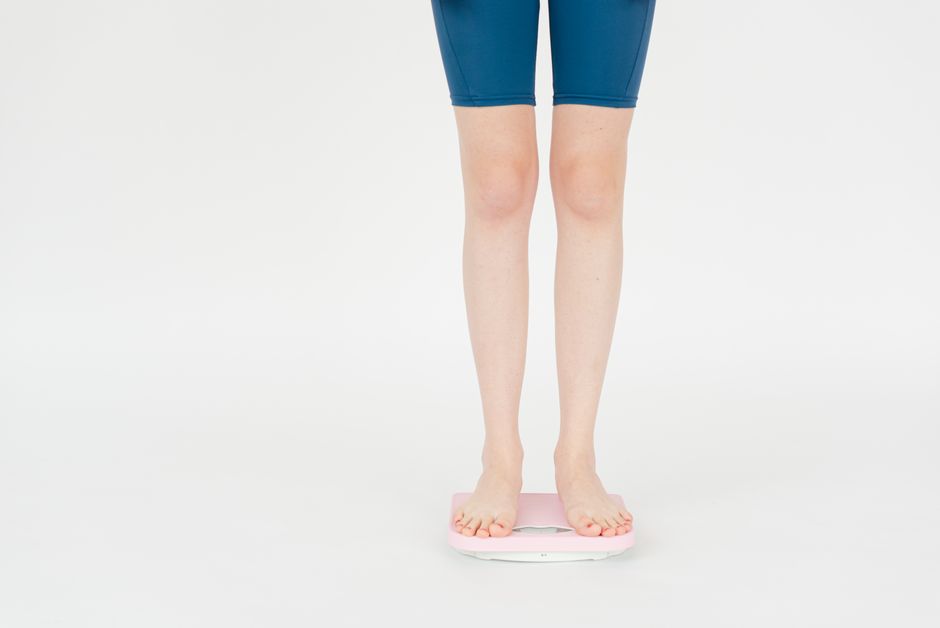
Yes, feet can shrink with weight loss, but it is not guaranteed and the change is usually modest. Weight loss reduces the amount of pressure and fat padding on the feet, which can lead to a decrease in both foot length and width. The most common change is a drop in shoe size by about half a size, though some people report losing a full size. The extent of the change depends on how much weight is lost, the structure of the foot, and where the body stores fat.
Why Does Weight Loss Affect Foot Size?
Your feet bear the entire weight of your body with every step. When you carry extra weight, the feet absorb more force. This pressure can flatten the arches over time, a condition called overpronation. A flattened arch lengthens the foot and makes it wider. When the weight comes off, the arch often regains some of its height. This returns the foot to a shorter and narrower shape.
Fat distribution also matters. Some people store fat in their feet, just as others store it in their belly or thighs. The soles of the feet contain fat pads that act as natural cushions. When you lose weight, you may lose some of this fat. A thinner fat pad means the foot does not spread out as much under pressure, which can reduce its measured size.
The ligaments and tendons in the feet also respond to body weight. Chronic heavy loading can stretch these structures. Weight loss reduces that load. With less force pressing down, the soft tissues of the foot can tighten and return closer to their natural resting position.
How Much Can Feet Shrink with Weight Loss?
There is no single answer because every body is different. The most frequently reported change is a half shoe size. Some people lose a full size, especially if they lost a significant amount of weight, such as 50 pounds or more. Others notice no change at all. The variability comes down to foot structure and where your body loses fat first.
Weight loss does not change the bones of the foot. The length of your bones stays the same. What changes is the soft tissue surrounding those bones. The arch height, the fat padding, and the spacing between the bones can all shift. These soft tissue changes are what make a foot appear shorter and narrower.
Younger people may see more change in foot size because their connective tissues are more elastic. Older adults have stiffer ligaments and tendons that are less likely to return to a previous shape. If you have had flat feet for decades, the arch may not rebuild fully even after significant weight loss.
Does Foot Width Change More Than Length?
For most people, width changes more than length. A heavier body spreads the foot wider with each step. The arch drops and the bones of the midfoot splay outward. When the weight is gone, the foot narrows. This is why many people notice their shoes feel loose on the sides before they feel shorter.
Length changes happen when the arch height increases. A higher arch shortens the overall distance from heel to toe. This is a smaller change, often just a few millimeters. But a few millimeters can be the difference between a size 9 and a size 8.5 in some shoe brands.
Shoe size is not a precise measurement. A size 8 in one brand may fit like a size 8.5 in another. If you are losing weight, do not assume your size is stable just because one pair of shoes still fits. Try on shoes from multiple brands and pay attention to how they feel, not just the number on the box.





Do Feet Shrink with Weight Loss or Just Look Smaller?
Both things happen. The foot physically changes shape, and it also looks smaller because the rest of the body is smaller. Swelling in the feet, called edema, is common in people carrying excess weight. Weight loss often reduces inflammation and improves circulation. Less fluid retention means less puffiness in the feet and ankles. This can make the foot look and feel smaller even if the structural changes are minor.
There is also a visual comparison effect. When your legs and ankles are slimmer, your feet appear more proportionate. A foot that always looked large next to a thick ankle may look more balanced after weight loss. This is not a true change in foot size, but it changes how the foot looks to you and to others.
If you are losing weight, measure your feet properly before buying new shoes. Stand on a piece of paper and trace your foot. Measure the longest distance from heel to toe and the widest part of the foot. Do this at the end of the day when your feet are at their largest. Feet naturally swell during the day, and a shoe that fits in the morning may be tight by evening.
What About Foot Pain After Weight Loss?
Some people develop foot pain after losing weight, which may seem backwards. The fat pads on the soles of the feet act as shock absorbers. Losing this fat can make the bones of the foot feel more prominent. Walking may feel harder on the heels or the balls of the feet. This is more common in people who lose a large amount of weight quickly.
This condition is sometimes called fat pad atrophy. It is not dangerous, but it can be uncomfortable. Supportive shoes with good cushioning often resolve the issue. Gel insoles or custom orthotics can also help. If you have sharp pain in the heel or foot that does not improve with better shoes, see a podiatrist. This could be plantar fasciitis or another condition that needs specific treatment.
Weight loss can also change your gait. Your center of gravity shifts as your body composition changes. This can put new stress on different parts of the foot. It is normal to feel some adjustment during this transition. Most people adapt within a few weeks as their muscles and tendons adjust to the new body weight.
How Long Does It Take for Feet to Change Size?
There is no fixed timeline. Foot changes usually happen gradually as the weight comes off. Some people notice their shoes feel loose within a few months of consistent weight loss. Others only notice after they have maintained the weight loss for a year or more. The soft tissues of the foot are slow to change compared to fat cells elsewhere in the body.
The amount of weight lost matters more than the speed of the loss. Losing 10 pounds may not change your foot size at all. Losing 50 or 100 pounds is much more likely to produce a noticeable difference. The relationship is not perfectly linear. Some people lose a shoe size at 30 pounds lost, while others need to lose 80 pounds before their feet change.
Do not rush out to buy a new shoe wardrobe the moment you start losing weight. Your feet may continue to change for months after the scale stops moving. Buy one or two pairs of well-fitting shoes as needed. Wait until your weight has been stable for several months before investing in a full collection of new footwear.
Does Age Affect Whether Feet Shrink with Weight Loss?
Age plays a significant role. Younger people have more elastic connective tissue. Their arches are more likely to rebound after weight loss. As you age, the ligaments and tendons become stiffer. The foot may have permanently adapted to years of carrying extra weight. An older person may lose weight and see very little change in foot size.
Age also brings natural foot changes that work against weight loss. The arches tend to drop with age regardless of body weight. Ligaments stretch over decades of standing and walking. The fat pads on the soles thin naturally as we get older. These age-related changes can mask any size reduction from weight loss.
If you are over 50 and losing weight, do not expect your shoe size to change much. It can happen, but it is less common. Focus on how your feet feel rather than their size. Reduced pressure on the joints and improved circulation are benefits of weight loss that matter more than a smaller shoe size.
Should You Buy New Shoes During Weight Loss?
Yes, but buy them as you need them. Wearing shoes that are too big is a safety risk. Loose shoes cause blisters, calluses, and can lead to falls. If your shoes are slipping at the heel or your foot slides forward when you walk, it is time for a new pair. Do not wait until you reach your goal weight to replace unsafe footwear.
When buying shoes during weight loss, choose a snug fit but not a tight one. Your feet may continue to change. A shoe that fits perfectly today may be loose in two months. This is not a reason to avoid buying shoes. It is a reason to buy fewer pairs and replace them more frequently during your weight loss journey.
If you are losing weight for health reasons, such as diabetes management or joint pain relief, proper footwear is especially important. Ill-fitting shoes can cause foot injuries that interfere with your ability to stay active. Prioritize comfort, support, and safety over style while your body is changing.
Frequently Asked Questions
Can you lose a full shoe size from weight loss?
Yes, some people lose a full shoe size, but this is less common than a half-size change. Losing a full size typically requires significant weight loss, often 50 pounds or more.
Do feet get smaller when you lose weight?
Feet can get smaller because weight loss reduces pressure on the arches and fat padding on the soles. The bones do not change, but the soft tissues can shift, making the foot shorter and narrower.
Why have my feet not shrunk after weight loss?
Some people do not see foot size changes because fat distribution and foot structure vary widely. Age also matters, as older connective tissues are less elastic and less likely to rebound.
How much weight do you need to lose for your feet to shrink?
There is no fixed threshold, but noticeable foot changes usually require substantial weight loss. Many people report changes after losing 30 to 50 pounds, while others need to lose more.
