
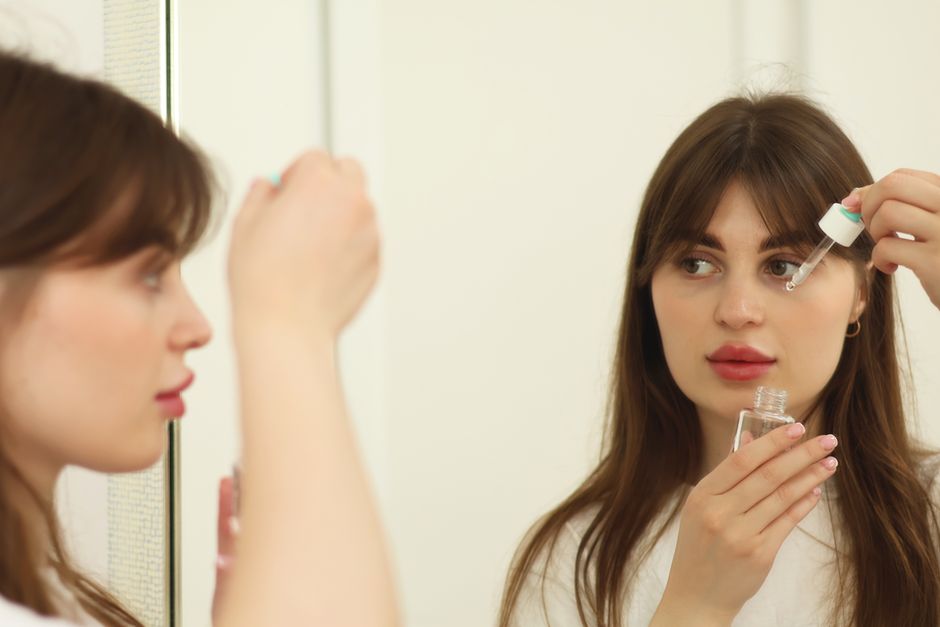
A stye is a small, painful bump on the eyelid caused by an infected oil gland or eyelash follicle. Most styes heal on their own within a week or two, and ordinary lubricating eye drops do not treat the infection. Antibiotic eye drops are sometimes prescribed for certain cases, but they are not a routine first treatment for a simple stye.
That short answer hides a lot of useful detail. Which drops might help, which ones won’t, and when a stye needs a doctor instead of a drugstore product are all worth understanding. This guide covers what a stye actually is, what eye drops can and cannot do, and the home care that has the best support behind it.
What Is a Stye and What Causes It?
A stye is a localized infection of a gland in or around the eyelid. Most are caused by Staphylococcus aureus, a bacterium that commonly lives on healthy skin.
There are two main types. An external stye (hordeolum) forms at the base of an eyelash follicle or in a small gland near the lid margin. It usually looks like a red, tender pimple pointing outward. An internal stye forms in one of the meibomian glands, which sit deeper in the eyelid and produce the oily layer of your tears. Internal styes can be more painful and may point inward toward the eye.
Symptoms typically include a tender red bump, swelling, crusting along the lid, watery eyes, and a feeling that something is in your eye. A stye is different from a chalazion, which is a blocked oil gland that is usually not infected. A chalazion tends to be a firm, painless lump, while a stye is tender and inflamed. The two can look similar, and sometimes a stye turns into a chalazion after the infection settles.
Risk factors include touching or rubbing your eyes with unwashed hands, wearing contact lenses without proper cleaning, using old or shared eye makeup, and having blepharitis (inflamed eyelid margins) or rosacea. People with diabetes or weakened immune systems may be more prone to recurrent styes.
Do Eye Drops Help a Stye?
It depends entirely on the type of drop. Lubricating artificial tears do not treat the infection. They can ease dryness and rinse away some debris, but they will not kill bacteria or make a stye go away faster.
Antibiotic eye drops are a different story. They target the bacteria involved, and some clinicians prescribe them for styes that are widespread, recurrent, or accompanied by significant lid inflammation. However, many styes resolve without antibiotics, and routine use of antibiotic drops for a simple stye is not strongly supported by evidence. Overuse of antibiotics also carries real downsides, including irritation and contributing to antibiotic resistance.
Here is a point that often gets missed: much of the standard treatment for a stye is about opening the blocked gland and letting it drain, not about killing bacteria. Warm compresses do that job. Eye drops, even antibiotic ones, do not unblock a gland.
Steroid eye drops are not a treatment for stye and should not be used unless a doctor prescribes them for a specific reason. They can suppress the immune response in the area and, used inappropriately, may worsen certain eye infections.
Which Eye Drops Are Used for Styes?
When a doctor does prescribe drops for a stye, the choice usually falls to an antibiotic preparation. Commonly used options have included drops containing erythromycin, tobramycin, or sulfacetamide, among others. Which one is appropriate depends on the situation and is a decision for a clinician, not a self-treatment choice.
Over-the-counter products sold for “stye” or “eye infection” relief deserve caution. Many are simply lubricants with marketing language attached. Some contain ingredients like witch hazel or other astringents, and there is no strong clinical evidence that these treat a stye infection. If a product claims to cure styes, treat that claim skeptically.
Do not use old antibiotic drops left over from a previous prescription. The medication may be expired or the wrong type for the current problem, and reusing prescription antibiotics without guidance is a genuine safety issue.




What Is the Best Treatment for a Stye?
Warm compresses are the mainstay of home care, and they have the most consistent clinical support of any simple measure. The heat helps soften the blocked oils and encourages the gland to drain.
A typical approach many clinicians recommend is applying a clean, warm (not hot) compress to the closed eyelid for about 10 to 15 minutes, several times a day. A clean washcloth soaked in warm water works. Re-wet it as it cools. Keep the compress clean and use a fresh cloth each time to avoid spreading bacteria.
Alongside compresses:
- Keep the eyelid clean. Gentle lid hygiene with a clean cloth or lid wipe can help, especially if you have blepharitis.
- Avoid squeezing or popping the stye. This can push infection deeper into the eyelid and cause a more serious problem.
- Stop wearing contact lenses and eye makeup until the stye has fully healed.
- Wash your hands before touching your face or eyes.
- Over-the-counter pain relievers such as acetaminophen or ibuprofen can ease discomfort. Follow the label directions.
Warm compresses and good hygiene are widely recommended, but it’s fair to say the strongest evidence for them comes from clinical experience and common practice rather than large controlled trials. That said, they are low-risk and reasonable first steps for most healthy adults.
When Should You See a Doctor for a Stye?
Most styes are minor and settle within a week or two. Some situations call for medical attention rather than waiting it out.
See a doctor if:
- The stye does not improve after a week or two of home care, or keeps getting worse.
- Swelling spreads to the whole eyelid or the area around the eye.
- You develop fever or feel generally unwell.
- Your vision changes or you have pain when moving the eye.
- The stye keeps coming back in the same spot.
- You have diabetes or a weakened immune system.
- A firm, painless lump remains after the tenderness fades, which may be a chalazion that needs different care.
Widespread swelling, fever, and pain with eye movement can be signs of a deeper infection called orbital cellulitis, which is a medical emergency. Do not wait to seek care if these appear.
For persistent styes, a doctor may drain the gland, prescribe antibiotics, or refer you to an eye specialist. Some recurring cases are linked to underlying blepharitis that benefits from ongoing lid care.
Can You Prevent Styes?
You cannot guarantee you will never get a stye, but reducing the chance is straightforward. The bacteria involved are common on skin, so the goal is to keep them out of the eyelid glands.
Wash your hands before touching your eyes or face. Replace eye makeup every few months and never share it. Clean contact lenses properly and follow the wearing schedule your eye doctor gives you. Remove makeup before bed. If you get styes often, regular eyelid hygiene can help, and it’s worth asking a doctor whether blepharitis is contributing.
There is no evidence that a specific diet or supplement prevents styes. Claims along those lines are not supported by clinical research.
Frequently Asked Questions
Can I use regular eye drops for a stye?
Lubricating artificial tears will not treat the infection, though they may ease dryness and irritation. They are not a cure and will not make a stye heal faster.
Are antibiotic eye drops good for a stye?
They can help in some cases, but many simple styes heal without them and routine use is not strongly supported by evidence. A doctor can advise whether they are appropriate for your situation.
How long does a stye take to go away?
Most styes improve within a week or two with warm compresses and good hygiene. See a doctor if it is not improving after that or is getting worse.
Should I pop a stye?
No. Squeezing or popping a stye can push the infection deeper into the eyelid and cause a more serious problem, so leave it to drain on its own.
