
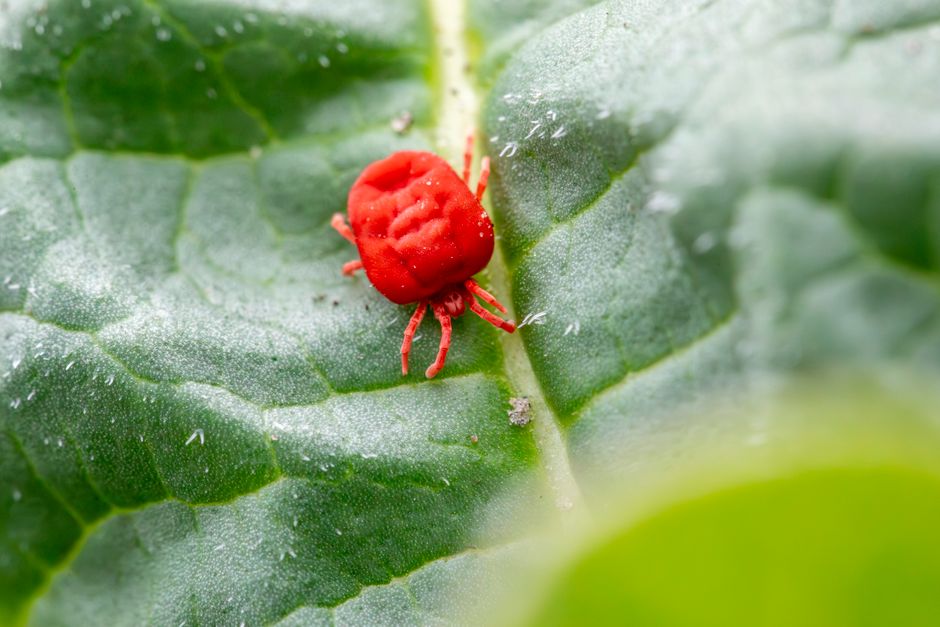
No, dust mites do not bite. They have no mouthparts capable of breaking human skin, and they do not feed on blood. The itchy, red bumps people often blame on dust mites are almost always caused by an allergic reaction to proteins in dust mite waste, not by a bite.
That distinction matters more than it might seem. It changes what will actually help. Bite treatments like anti-itch creams and insect repellents do little for a dust mite reaction, because there was never a bite to treat. What helps is reducing your exposure to the mites and calming the immune response they trigger.
What Are Dust Mites?
Dust mites are microscopic arachnids, related to spiders and ticks rather than insects. They measure roughly 0.2 to 0.3 millimeters, which is small enough to be invisible to the naked eye. You will not see them crawling on your skin or your furniture.
They live in soft materials where they can find warmth, moisture, and food. Their food is not blood. It is shed human skin cells, along with the microscopic molds and yeasts that grow on them. A single mattress can hold a large population of mites, concentrated in the seams, folds, and fibers.
Two species cause most indoor problems: Dermatophagoides pteronyssinus and Dermatophagoides farinae. They thrive in humidity. When indoor humidity stays high, they reproduce quickly. When it drops, they struggle and die off.
This is why dust mites are a year-round problem in humid climates and a seasonal one in drier regions. They are not a sign of a dirty home. Even spotless houses have them.
Do Dust Mites Bite Humans?
Dust mites cannot bite humans. Their bodies are built for eating skin flakes, not for piercing skin. They have no sting, no venom, and no blood-feeding behavior.
If you wake up with itchy welts, something else is usually responsible. The most common culprits include:
- Bedbugs, which do bite and feed on blood, often leaving clusters or lines of bites
- Fleas, especially if you have pets
- Mosquitoes or other biting insects
- Contact dermatitis from soaps, detergents, or fabrics
- Hives or eczema flares, which can look like bites but are not
The confusion is understandable. A dust mite allergy can produce red, raised, itchy skin, and it often flares overnight in bed. It looks like something bit you. But the mechanism is completely different.
If you genuinely have bites, the cause is a biting organism. A pest control professional or a doctor can help identify which one.
Why Do Dust Mites Cause Itchy Skin and Rashes?
The reaction comes from the immune system, not from a bite. Dust mite waste contains proteins, particularly ones found in their feces, that some people’s immune systems treat as a threat.
When you inhale or contact these proteins, the body releases histamine and other chemicals. Histamine causes itching, redness, swelling, and mucus production. That is why dust mite exposure can trigger a runny nose, sneezing, watery eyes, and skin symptoms all at once.
Two skin conditions are commonly linked to dust mites:
- Atopic dermatitis (eczema): Dust mite exposure can worsen flares in people who are sensitized to the mites.
- Allergic contact dermatitis: Direct skin contact with mite proteins can cause a localized reaction.
Not everyone reacts. Sensitivity develops over time with repeated exposure. Some people live with high dust mite levels and never notice a thing. Others react strongly to very low levels.
Here is a point that often gets missed: the reaction is to a protein, so it behaves like an allergy, not an infection or an infestation. You cannot “catch” dust mites from someone, and they do not colonize your body.





How Can You Tell Dust Mites From Bedbugs?
The two get confused constantly, and the difference matters because the solutions are completely different. Bedbugs bite and feed on blood. Dust mites do neither.
| Feature | Dust Mites | Bedbugs |
|---|---|---|
| Bite humans? | No | Yes |
| Feed on | Shed skin cells | Blood |
| Visible to eye? | No | Yes, adults are visible |
| Signs | Allergy symptoms, no bites | Bite marks, blood spots, dark fecal specks |
| Where they live | Bedding, upholstery, carpets | Mattress seams, furniture cracks, outlets |
If you find small dark spots on sheets, shed skins, or live insects, that points to bedbugs. If your main symptom is sneezing, congestion, or itchy skin with no visible insects, dust mites are more likely.
When in doubt, a pest control inspection can settle it. Treating for the wrong pest wastes time and money.
What Actually Helps With Dust Mite Reactions?
Reducing exposure is the main strategy, and it works best when you target the places mites concentrate. The bedroom matters most because that is where you spend hours each night with your face close to bedding.
Steps that evidence supports:
- Use allergen-proof covers on mattresses and pillows
- Wash bedding in hot water regularly — hot enough to kill mites
- Keep indoor humidity low, ideally below 50 percent
- Remove or reduce carpets and heavy fabrics where possible
- Use a vacuum with a HEPA filter
- Wipe surfaces with a damp cloth rather than dry dusting, which spreads allergens into the air
Some clinicians also recommend allergy medications such as antihistamines or nasal steroid sprays for symptom control. These treat the reaction, not the mites. For persistent or severe symptoms, allergy testing and discussion with a doctor is reasonable, and some people are offered allergen immunotherapy.
One honest note: no single step eliminates dust mites entirely. The goal is reduction, not eradication. Combining several measures tends to work better than relying on one. And some products marketed as dust mite solutions have limited evidence behind them, so it is worth being skeptical of strong claims.
Who Is Most Likely to React to Dust Mites?
Dust mite allergy is common, and it often runs alongside other allergic conditions. People with asthma, allergic rhinitis, or eczema are more likely to be sensitized.
Family history matters too. If close relatives have allergies or asthma, your own risk tends to be higher. Exposure levels in your home also play a role, though the relationship is not perfectly linear.
Children and adults can both develop sensitivity, and it can appear at any age. Some people notice symptoms for the first time after moving to a more humid home or after a period of heavier exposure.
If you suspect dust mites are behind your symptoms, tracking when and where they flare can help. Symptoms that are worst in the bedroom, worse in the morning, and worse in humid weather point toward dust mites rather than a seasonal pollen allergy.
Frequently Asked Questions
Do dust mites bite humans?
No, dust mites cannot bite humans because they have no mouthparts designed to pierce skin. They feed on shed skin cells, not blood.
What do dust mite bites look like?
Dust mites do not cause bites, so there are no true dust mite bites. What people mistake for bites is usually an allergic skin reaction, or actual bites from bedbugs, fleas, or other insects.
Can dust mites live on your skin?
No, dust mites do not live on human skin. They live in bedding, upholstery, and carpets, where they feed on shed skin flakes.
How do I know if it is dust mites or bedbugs?
Bedbugs bite and leave visible marks, blood spots, or live insects you can see. Dust mites are invisible and cause allergy symptoms rather than bites.
