
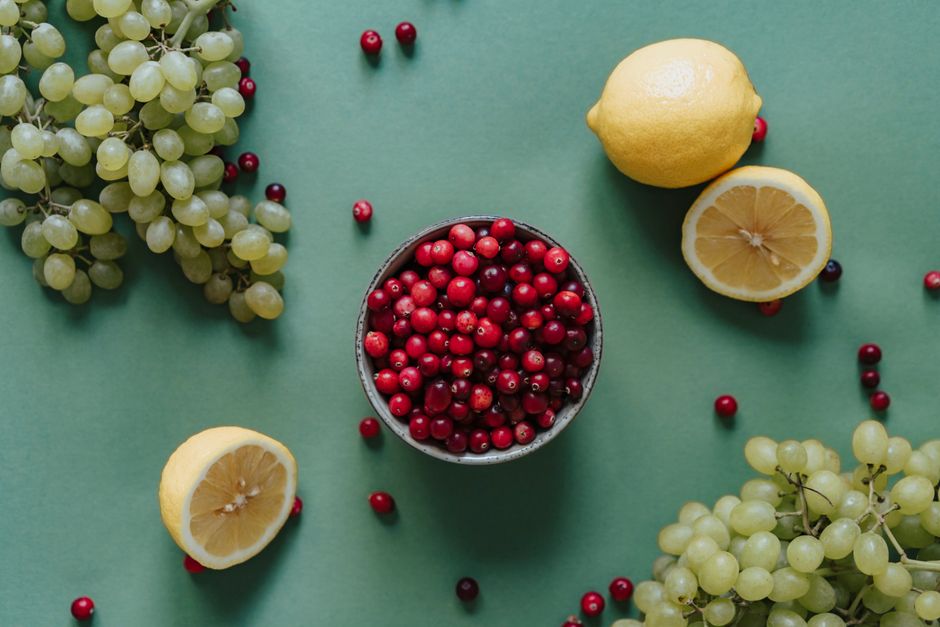
Cranberries have a reputation as a superfood for urinary tract health, but claims about cholesterol are a different story. The short answer: cranberry products have shown modest effects on cholesterol in some studies, but the evidence is not strong enough to call cranberries a proven cholesterol-lowering food. No major clinical guideline recommends cranberries for managing high cholesterol, and the effect sizes reported in research are generally small. If you are looking to lower cholesterol, cranberries are not the answer on their own.
Do Cranberries Lower Cholesterol? What the Clinical Evidence Shows
Research on cranberries and blood lipids has produced mixed results. Some trials have reported small improvements in certain cholesterol measures, while others have found no meaningful change.
A review published in the journal Nutrition Reviews examined multiple randomized controlled trials on cranberry supplementation and cardiovascular risk factors. The findings suggested that cranberry products might slightly raise HDL cholesterol (the “good” cholesterol) and possibly reduce total cholesterol and LDL cholesterol in some populations. But the authors noted that the studies were small, used different types of cranberry products, and varied widely in duration and dose. That makes it hard to draw firm conclusions.
Larger and better-controlled trials have been less encouraging. Some randomized controlled trials found no significant effect on LDL cholesterol or total cholesterol after participants consumed cranberry juice or extract for several weeks to months. When effects were detected, they were typically small — often just a few milligrams per deciliter.
The honest position: cranberries may have a minor favorable effect on cholesterol in some people, but the evidence is inconsistent and the clinical relevance of those small changes is unclear. A few points of LDL reduction is not comparable to what statins or other cholesterol-lowering medications achieve.
What Is the Proposed Mechanism for Cranberry and Cholesterol?
Cranberries contain polyphenols, particularly proanthocyanidins and flavonols. These compounds have antioxidant and anti-inflammatory properties in laboratory studies.
The proposed mechanism is that these polyphenols may reduce oxidative stress and improve endothelial function, which could in turn affect lipid metabolism. Some laboratory research suggests that cranberry polyphenols may influence how the liver processes cholesterol or reduce LDL oxidation.
But here is the critical gap: showing a mechanism in a petri dish or in animals does not mean the same effect happens in humans at realistic doses. Biological plausibility is not the same as demonstrated clinical benefit. Many compounds that look promising in the lab fail to produce meaningful effects in human trials. Cranberry polyphenols are poorly absorbed, and the amounts that reach the bloodstream after eating or drinking cranberry products are much lower than what is used in cell studies.
How Much Cranberry Would You Need to See an Effect?
There is no established dose of cranberries or cranberry products for lowering cholesterol. No clinical guideline sets a recommended amount because the evidence does not support one.
Studies that showed small effects used widely varying amounts — anywhere from a glass of cranberry juice daily to concentrated extracts providing hundreds of milligrams of polyphenols. Some used cranberry powder capsules. There is no consistency, and no dose-response relationship has been clearly established.
It is also worth noting that cranberry juice cocktail, the most common form people drink, is often high in added sugar. Regular consumption of sugary drinks can raise triglycerides and add empty calories, which works against cardiovascular health rather than supporting it. Unsweetened cranberry juice is very tart and difficult to drink in large amounts.
If you enjoy cranberries as part of a balanced diet, that is reasonable. But do not expect them to meaningfully change your cholesterol numbers.

How Does Cranberry Compare to Other Foods That Lower Cholesterol?
Some foods have much stronger evidence for cholesterol reduction than cranberries. Soluble fiber, plant sterols, and certain dietary patterns are backed by decades of research.
| Food or Component | Evidence for LDL Reduction | Typical Effect |
|---|---|---|
| Oats and barley (beta-glucan) | Strong, consistent | Modest but reliable reduction |
| Plant sterols and stanols | Strong, consistent | Modest reduction when consumed regularly |
| Nuts (especially almonds, walnuts) | Good evidence | Small to modest reduction |
| Soy protein | Moderate evidence | Small reduction |
| Cranberry products | Weak, inconsistent | Small or no effect |
The pattern is clear. Foods with soluble fiber and plant sterols have far more consistent evidence for lowering LDL cholesterol than cranberries. If someone is making dietary changes to improve cholesterol, those are the areas where the evidence is strongest.
This does not mean cranberries are useless. They contain vitamin C, fiber, and beneficial plant compounds. Including them in a varied diet is fine. But they should not displace foods with stronger evidence.
Can Cranberries Interact With Cholesterol Medications?
Cranberry juice has been studied for potential interactions with certain medications, particularly warfarin, a blood thinner. Some case reports suggested that cranberry juice might increase the effects of warfarin and raise bleeding risk, though the evidence is not definitive and other studies found no significant interaction.
For cholesterol medications specifically, there is limited research on cranberry interactions. Statins are processed by the liver through specific enzyme pathways, and there is theoretical concern that cranberry compounds could affect those pathways. However, no large clinical trials have confirmed a meaningful interaction between cranberries and statins.
If you take any prescription medication and plan to consume large amounts of cranberry products regularly, it is worth mentioning to your doctor or pharmacist. This is especially true for warfarin. The evidence for interaction is not strong, but the potential risk is serious enough that awareness matters.
What Actually Works for Lowering Cholesterol?
The approaches with the strongest evidence for lowering LDL cholesterol include dietary changes, regular physical activity, and when appropriate, medication.
- Soluble fiber: Oats, barley, beans, lentils, and psyllium husk have consistent evidence for modest LDL reduction.
- Plant sterols and stanols: Found in fortified foods and some spreads, these have strong evidence for lowering LDL when consumed daily.
- Replacing saturated fat with unsaturated fat: This is one of the most well-established dietary changes for improving cholesterol profiles.
- Regular exercise: Physical activity can raise HDL cholesterol and improve overall cardiovascular health.
- Statins and other medications: For people at higher cardiovascular risk, medications are proven to reduce LDL cholesterol and cardiovascular events.
No single food, including cranberries, replaces these approaches. The evidence for cranberries specifically is too weak and inconsistent to position them as a cholesterol-lowering strategy.
A reasonable take: enjoy cranberries for what they are — a tart fruit with some nutritional value. Do not rely on them for cholesterol management. If your cholesterol is elevated, talk to your healthcare provider about strategies that have real evidence behind them.
Frequently Asked Questions
Do cranberries actually lower cholesterol?
Some studies suggest cranberry products may have a small effect on cholesterol, but the evidence is inconsistent and the changes are minor. No clinical guideline recommends cranberries for cholesterol management.
How much cranberry juice should I drink to lower cholesterol?
There is no established dose of cranberry juice for lowering cholesterol because the evidence does not support a specific recommendation. Drinking large amounts of sugary cranberry juice cocktail may actually work against cardiovascular health.
Can cranberries replace statins for high cholesterol?
No. Statins have strong evidence for reducing LDL cholesterol and cardiovascular events, while cranberries have weak and inconsistent evidence for any cholesterol effect. Cranberries are not a substitute for prescribed medication.
Are cranberry supplements effective for cholesterol?
The evidence for cranberry supplements and cholesterol is limited and mixed. Some small trials showed minor effects, but larger and better-controlled studies often found no significant change.
