
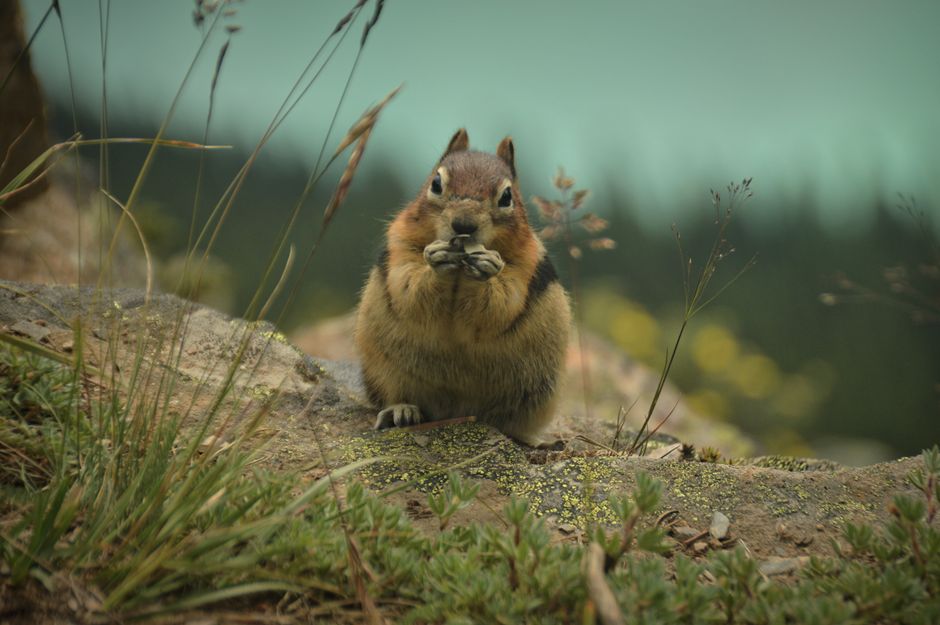
Chipmununks do not hunt mice. They are not predators of mice in any meaningful sense. A chipmunk will not stalk, kill, or eat a mouse, and there is no documented record of chipmunks preying on mice as part of their normal diet or behavior.
Chipmunks are omnivores that eat seeds, nuts, fungi, insects, and the occasional small vertebrate or bird egg. But their feeding behavior is built around gathering and caching food, not hunting. Mice occupy a similar ecological niche — small, fast, ground-dwelling rodents — and the two animals mostly ignore each other or compete for the same food sources.
Do Chipmunks Kill Mice A Look At Their Predatory Behavior?
No. Chipmunks are not predators of mice, and they lack both the behavior and the physical tools for hunting animals of that size.
Chipmunks belong to the squirrel family (Sciuridae). Their teeth and jaws are adapted for cracking seeds and nuts, not for killing prey. They have no coordinated hunting strategy, no stalking behavior, and no instinct to pursue other rodents as food.
What chipmunks do have is a strong territorial drive. A chipmunk defending its burrow or food cache may chase off a mouse that gets too close. It may posture, vocalize, or lunge. But chasing off a competitor is not the same as killing it, and this behavior rarely escalates to physical harm.
The confusion likely comes from lumping all rodents together. Some rodents are predators. Others are not. Chipmunks fall firmly in the second group.
What Do Chipmunks Actually Eat?
Chipmunks are opportunistic omnivores. Their diet shifts with the seasons and with whatever food is available nearby.
Common foods include:
- Seeds from trees, grasses, and garden plants
- Nuts, especially acorns, hickory nuts, and beechnuts
- Fungi, including some truffle species
- Insects, caterpillars, and grubs
- Berries and other small fruits
- Occasionally small vertebrates like young birds, frogs, or lizards
- Bird eggs, on occasion
That last category is where the “chipmunks are predators” idea gets some footing. Some chipmunk species have been observed eating nestling birds or eggs. But this is opportunistic feeding, not hunting in the way a cat or a weasel hunts. A chipmunk that eats a baby bird has found it, not tracked and killed it.
The bulk of a chipmunk’s diet is plant material and insects. Small animal matter is a minor part of what they eat and varies a lot between species and locations.
Why Do People Think Chipmunks Kill Mice?
Several things feed this misconception. None of them hold up as evidence that chipmunks prey on mice.
Rodent confusion. Mice, rats, chipmunks, squirrels, and voles are all rodents. Some rodents — rats in particular — do kill and eat smaller animals, including mice. People sometimes generalize that behavior to all rodents. The family tree is broad, and behavior varies enormously across it.
Territorial encounters. A chipmunk chasing a mouse away from a bird feeder or a burrow entrance can look aggressive. Someone watching might assume the chipmunk is hunting. It is not. It is defending a food source.
Shared habitat. Chipmunks and mice often live in the same yards, gardens, and woodpiles. Seeing them near each other gets interpreted as predator-prey interaction when it is really just coexistence or competition.
Viral videos and anecdotes. Short clips of animals interacting spread easily, and a dramatic caption can turn a brief scuffle into a “chipmunk kills mouse” story. A single video is not evidence of a species-wide behavior pattern.
Are Chipmunks Dangerous to Other Animals?
Chipmunks pose little threat to adult animals of any kind. They are small — most species weigh between roughly 1 and 5 ounces — and they are prey for many larger animals themselves.
Their main ecological impact on other animals comes from competition, not predation. Chipmunks compete with mice, voles, squirrels, and birds for seeds and nuts. In years when food is scarce, that competition can affect local populations of other small animals. But competition is a different force from predation.
Chipmunks can be a real problem for ground-nesting birds. Some species will take eggs or very young nestlings if they find an unguarded nest. This is documented in the scientific literature, though how often it happens varies by species and location. It is a genuine concern for certain bird species in some habitats.
For a mouse, a chipmunk is a nuisance at worst. For a homeowner, chipmunks can damage gardens, dig under patios and foundations, and get into sheds. That is the practical concern most people actually have.
What Animals Actually Kill Mice?
If you have a mouse problem and are wondering whether a chipmunk will help, the answer is no. Here are the animals that do prey on mice:
- Owls, hawks, and other birds of prey
- Snakes, including many common species
- Cats, both domestic and wild
- Foxes and coyotes
- Weasels, minks, and other mustelids
- Shrews, which are not rodents and are active mouse predators
- Rats, which will kill and eat mice
- Some large frogs and toads
Notice what is not on that list. Chipmunks, squirrels, and most other small seed-eating rodents are not mouse predators. They are competitors at best.
One non-obvious point: shrews are often mistaken for mice, and shrews are genuinely predatory. A shrew will kill and eat mice and other small animals. If you have seen a small furry animal attacking a mouse, it may have been a shrew rather than a chipmunk. Shrews have pointed snouts and tiny eyes, and they are far more aggressive than any chipmunk.
Do Chipmunks and Mice Get Along?
They tolerate each other. Chipmunks and mice share habitat without much direct conflict most of the time.
Both are small, quick, and mostly active during different parts of the day or in different microhabitats. Mice are largely nocturnal. Chipmunks are diurnal, meaning they are active during the day. That difference in schedule means they often cross paths less than you might expect.
When they do meet, the interaction is usually brief. One animal yields space to the other. Fights are rare and rarely serious. Neither species has much to gain from a prolonged confrontation.
If you are seeing both chipmunks and mice around your home, you likely have a food source or shelter that attracts both. Bird seed, pet food left outside, and dense ground cover are common culprits. Removing those attractants is more useful than hoping one animal will eliminate the other.
Should You Rely on Chipmunks for Mouse Control?
No. Chipmunks will not reduce a mouse population. They have no interest in doing so and no ability to do so at any meaningful scale.
Effective mouse control relies on the things that actually work: sealing entry points, storing food in containers mice cannot get into, removing clutter and nesting material near buildings, and using traps or professional pest control when an infestation is established. Some people keep cats, and cats do kill mice, though a well-fed house cat is often not a reliable control method on its own.
It is also worth knowing that encouraging chipmunks as a “natural” solution can backfire. Chipmunks dig burrows that can undermine patios, walkways, and foundations. They raid gardens and bird feeders. They can carry ticks and other parasites. Inviting them closer to your home to solve a mouse problem trades one nuisance for another.
If you have both chipmunks and mice and want to reduce both, focus on habitat and food sources rather than on the animals themselves. That approach works on both species at once.
Frequently Asked Questions
Do chipmunks eat mice?
No. Chipmunks do not eat mice as part of their normal diet. Their food is mainly seeds, nuts, fungi, insects, and small amounts of plant material.
Will a chipmunk attack a mouse?
A chipmunk may chase a mouse away from food or a burrow, but it does not attack mice as prey. These encounters are territorial and rarely cause injury to either animal.
What animal kills mice in a yard?
Owls, hawks, snakes, foxes, weasels, shrews, rats, and cats are the main predators of mice. Chipmunks are not among them.
Are chipmunks predators?
Chipmunks are opportunistic feeders, not predators. Some species occasionally eat bird eggs or very young nestlings, but they do not hunt animals the size of a mouse.
