
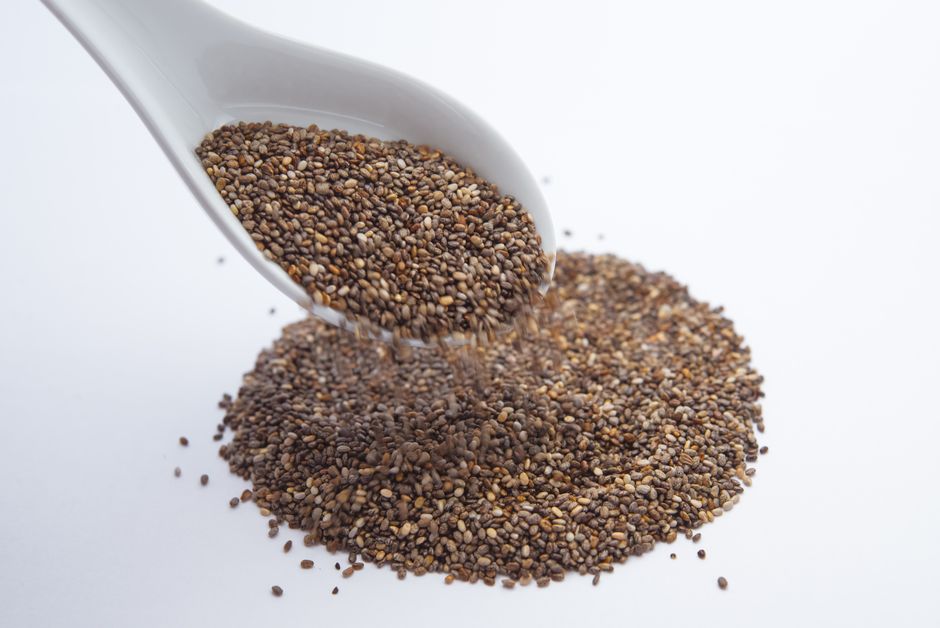
Yes, chia seeds contain iron. A standard two-tablespoon serving provides about 2 milligrams of iron, which is roughly 11% of the daily value for most adults. That makes them a useful plant-based source of this essential mineral. However, the type of iron in chia seeds is not absorbed by the body as efficiently as the iron found in meat, so the practical impact on your iron levels depends on more than just the numbers on a label.
Do Chia Seeds Have Iron?
Chia seeds are a legitimate source of dietary iron. The USDA nutrient database lists approximately 2 milligrams of iron per two-tablespoon serving of dried chia seeds. For context, adult men need about 8 milligrams per day, and adult women up to age 50 need about 18 milligrams per day due to menstrual blood loss. Women over 50 and men over 50 have the same 8-milligram requirement.
The key detail is that chia seeds contain non-heme iron. This is the plant form of iron. Heme iron comes from animal sources like red meat, poultry, and fish. Your body absorbs heme iron much more easily than non-heme iron. Absorption rates for non-heme iron typically range from 2% to 20%, depending on your current iron status and what else you eat at the same meal.
How Much Iron Do You Actually Absorb From Chia Seeds?
Your body does not absorb all 2 milligrams of iron from that serving of chia seeds. If you have low iron stores, your body becomes more efficient at pulling iron from food. If your iron levels are normal, you absorb less. This is a built-in regulatory system that helps prevent iron overload.
The bigger factor is what you eat alongside the chia seeds. Vitamin C dramatically improves non-heme iron absorption. Eating chia seeds with strawberries, citrus fruit, bell peppers, or broccoli can double or triple the amount of iron your body takes in. Conversely, compounds called phytates naturally present in chia seeds and other seeds can bind to iron and reduce absorption. Tannins in tea and coffee also interfere with iron uptake.
This does not mean you should avoid chia seeds. It means you should think about the whole meal. Pairing a chia pudding with orange slices or adding lemon juice to a dish containing chia seeds makes a real difference.
Comparing Chia Seeds to Other Iron Sources
To understand where chia seeds fit, it helps to compare them directly with other common foods. The following values represent approximate iron content per standard serving.
| Food | Serving Size | Approximate Iron |
|---|---|---|
| Chia seeds | 2 tablespoons | 2 mg |
| Cooked spinach | 1 cup | 6 mg |
| Cooked lentils | 1 cup | 6 mg |
| Beef liver | 3 ounces | 8 mg |
| Cooked ground beef | 3 ounces | 2 mg |
| Fortified breakfast cereal | 1 serving | Varies widely |
Chia seeds are not the richest plant source of iron, but they are a reasonable contributor. The advantage of chia seeds is their versatility. You can add them to oatmeal, smoothies, yogurt, baked goods, or make a pudding. A single serving is easy to incorporate daily without much effort.
If your goal is to correct an iron deficiency, chia seeds alone will not be sufficient. That requires a more deliberate approach, often including supplements under medical supervision. If your goal is to maintain healthy iron levels as part of a varied diet, chia seeds can play a supporting role.
Who Is at Risk for Low Iron?
Iron deficiency is one of the most common nutritional deficiencies worldwide. Certain groups face higher risk than others.
- Women of reproductive age lose iron through menstruation each month.
- Pregnant women need significantly more iron to support fetal development and increased blood volume.
- Vegetarians and vegans consume only non-heme iron, which is absorbed less efficiently.
- People with gastrointestinal conditions such as celiac disease or Crohn’s disease may absorb iron poorly.
- Frequent blood donors deplete iron stores with each donation.
- Athletes may lose iron through sweat and increased red blood cell turnover.
If you fall into one of these categories, paying attention to iron intake matters more. Chia seeds can be part of the strategy, but they should not be the only strategy.
Signs of Iron Deficiency
Iron deficiency develops gradually. The symptoms can be subtle and easy to attribute to other causes like stress or lack of sleep. Common signs include persistent fatigue, weakness, pale skin, shortness of breath during normal activity, dizziness, cold hands and feet, and brittle nails. Some people also experience unusual cravings for non-food items like ice or dirt, a condition called pica.
These symptoms are not specific to iron deficiency. Many conditions produce similar complaints. The only reliable way to know your iron status is a blood test that measures ferritin, which reflects your body’s stored iron, along with a complete blood count to check hemoglobin levels.
Do not self-diagnose iron deficiency and start taking high-dose supplements. Iron supplements can cause constipation, nausea, and stomach pain. More seriously, excessive iron intake can lead to organ damage over time because your body has no efficient way to excrete excess iron. If you suspect a deficiency, ask your doctor for a blood test first.
How to Maximize Iron Absorption From Chia Seeds
Simple food combinations can meaningfully improve how much iron you get from chia seeds. The science here is well established.
Vitamin C is the most effective enhancer of non-heme iron absorption. A study published in the American Journal of Clinical Nutrition demonstrated that adding vitamin C-rich foods to a meal can increase iron absorption several-fold. Practical combinations include:
- Chia pudding made with strawberries or kiwi
- Oatmeal topped with chia seeds and orange segments
- A smoothie with chia seeds, spinach, and pineapple
- Chia seeds sprinkled over a salad with bell peppers and lemon vinaigrette
Avoid consuming tea or coffee within an hour of a meal that is your primary iron source. The tannins in these beverages bind to iron and reduce absorption. Calcium is also known to interfere with iron absorption when consumed in large amounts at the same meal, though the effect is less pronounced than with tannins.
Another practical tip: soaking chia seeds before eating them may reduce phytate content. Phytates are storage compounds in seeds that can bind minerals. Soaking, sprouting, or fermenting seeds and grains reduces phytate levels and can improve mineral bioavailability. However, the research on how much this specifically improves iron absorption from chia seeds is limited.
Should You Rely on Chia Seeds for Iron?
Chia seeds are a nutritious food with a legitimate iron content. They also provide fiber, omega-3 fatty acids, protein, calcium, magnesium, and zinc. Including them in your diet is a reasonable choice for overall nutrition.
They should not be viewed as a primary treatment for iron deficiency. The iron they contain is non-heme, which is less bioavailable, and the total amount per serving is moderate. For someone with established iron deficiency, the standard medical approach is iron supplementation under a doctor’s guidance, along with dietary changes.
For healthy adults eating a varied diet, chia seeds can contribute to meeting daily iron needs. They work best as one component of a diet that includes other iron-rich plant foods like legumes, leafy greens, and fortified grains, paired with vitamin C sources.
Frequently Asked Questions
How much iron is in two tablespoons of chia seeds?
Two tablespoons of chia seeds contain about 2 milligrams of iron. This provides roughly 11% of the daily value for most adults.
Is the iron in chia seeds absorbed well by the body?
Chia seeds contain non-heme iron, which is absorbed less efficiently than the heme iron found in meat. Absorption improves significantly when you eat chia seeds alongside vitamin C-rich foods.
Can chia seeds help with iron deficiency anemia?
Chia seeds alone are unlikely to correct iron deficiency anemia. They can contribute to overall iron intake, but medical treatment typically requires iron supplements under a doctor’s supervision.
What foods block iron absorption from chia seeds?
Tea, coffee, and foods high in calcium can reduce iron absorption when consumed at the same meal. Phytates naturally present in seeds also bind to iron, which is why pairing chia seeds with vitamin C is recommended.
