
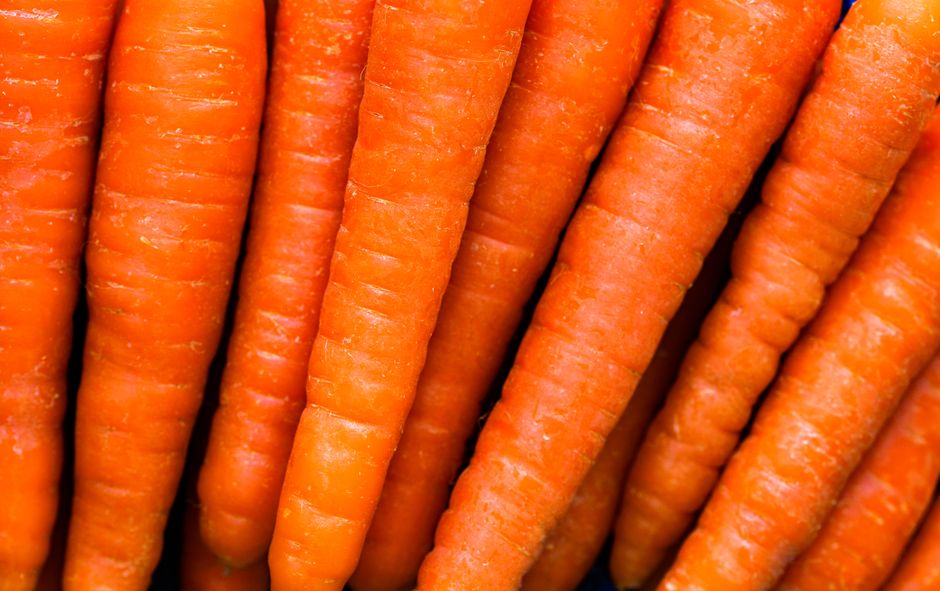
Diarrhea is one of the most common reasons people visit a doctor, yet most advice about it is surprisingly vague. When you are dealing with loose stools, the last thing you want is to eat something that makes things worse. Carrots often come up as a home remedy, but is there actual science behind this, or is it just an old wives’ tale? The short answer is yes, carrots can help manage diarrhea, but the science is specific about how they work and what form you should eat them in. This article breaks down exactly what the evidence says about carrots and diarrhea, how they affect your digestive system, and the safest ways to use them.
What Does the Science Say About Carrots and Diarrhea?
Research on carrots and diarrhea focuses on two main areas: the physical properties of the carrot itself and the way it interacts with the gut. Carrots are rich in pectin, a type of soluble fiber. Soluble fiber absorbs water in the digestive tract, which helps firm up loose stool. This is the same mechanism behind the classic BRAT diet (bananas, rice, applesauce, toast) that doctors have recommended for decades.
Carrots also contain specific carbohydrates that may help. Some studies suggest that the oligosaccharides in carrots can interfere with the ability of certain bacteria to attach to the intestinal wall. This is particularly relevant for bacterial causes of diarrhea, though the evidence is largely from laboratory studies rather than large human trials. The clinical data we do have is promising but not definitive.
The most important detail is preparation. Raw carrots are high in insoluble fiber, which can actually irritate an already inflamed gut and make diarrhea worse. Cooked carrots, especially boiled or steamed until soft, break down that fiber and release the pectin more effectively. This is why almost all clinical guidance points to cooked or pureed carrots, not raw ones.
How Do Carrots Affect the Digestive Tract?
To understand why carrots help, you need to know what happens in the gut during diarrhea. The intestinal lining becomes inflamed, and the normal balance of water absorption is disrupted. Instead of the colon pulling water out of the stool, water stays in the bowel and passes through too quickly. The result is loose, frequent stools.
Pectin from cooked carrots acts like a sponge. It binds to excess water in the intestines, adding bulk to the stool. This slows down transit time, giving the colon more opportunity to absorb fluids and electrolytes. The effect is mechanical rather than medicinal, which is why it works regardless of the underlying cause of diarrhea.
Carrots also provide potassium, an electrolyte that is commonly depleted during diarrheal illness. Replacing lost electrolytes is a cornerstone of diarrhea management, and while carrots are not a complete electrolyte solution, they contribute meaningful amounts of potassium in a form that is gentle on the stomach. They also contain beta-carotene, which the body converts to vitamin A. Vitamin A plays a role in maintaining the health of the intestinal lining, though it is unclear whether the amount in a typical serving of carrots is enough to speed up recovery.
What Is the Best Way to Eat Carrots for Diarrhea?
Preparation matters more than most people realize. The goal is to maximize pectin availability while minimizing fiber that can irritate the gut. Carrots that are boiled until very soft, then mashed or pureed, are the most effective form. This breaks down the cell walls, releasing the soluble fiber and making it easier for the digestive system to process.
Carrot soup is a traditional remedy in many cultures, and it has some scientific backing. A well-known clinical approach called the “carrot soup diet” has been used in pediatric settings for decades, particularly in Europe. The soup is made by boiling carrots in water, then straining or pureeing them. The resulting liquid contains the pectin and electrolytes without the heavy fiber load.
Here is what to keep in mind when preparing carrots for diarrhea:
- Cook them thoroughly. Raw carrots are too harsh on an inflamed gut.
- Puree or mash them. This makes the nutrients more accessible.
- Avoid adding fat, spices, or dairy. These can stimulate the gut and worsen symptoms.
- Start with small amounts. Even gentle foods can be too much if the diarrhea is severe.
Carrot juice is not recommended. Juicing removes most of the pectin fiber and leaves behind a high-sugar liquid that can draw water into the intestines and make diarrhea worse.





Are Carrots Safe for Children and Infants with Diarrhea?
Carrots are one of the few foods that have been studied specifically in children with diarrhea. Some pediatric guidelines include cooked carrots as part of dietary management for mild diarrhea in older infants and children. The carrot soup approach mentioned earlier originated in pediatric care and has been used successfully for decades.
However, there are important caveats. For infants under six months, breast milk or formula remains the primary source of nutrition and hydration. Adding solid foods like carrots during an active diarrheal episode should only be done under a doctor’s guidance. Dehydration is the biggest risk in young children with diarrhea, and no food replaces the need for adequate fluids and, in some cases, oral rehydration solutions.
For older children, cooked carrots can be introduced once they are tolerating fluids well. The same rules apply as for adults: cook until soft, puree, and avoid adding anything that could irritate the gut. If diarrhea persists for more than a couple of days in a child, or is accompanied by fever, blood, or signs of dehydration, medical attention is necessary.
When Should You Not Rely on Carrots for Diarrhea?
Carrots are a supportive measure, not a treatment. They do not stop diarrhea caused by infections, food poisoning, or underlying medical conditions. They simply help manage symptoms by adding bulk to the stool and providing some nutrients. If the cause of diarrhea is bacterial or parasitic, antibiotics may be needed. If it is viral, time and hydration are the only real cures.
There are also situations where eating anything, including carrots, is not advisable. Severe diarrhea with high fluid loss can lead to dehydration, which is a medical emergency. Signs include dark urine, dizziness, dry mouth, and extreme thirst. In these cases, the priority is rehydration with oral rehydration salts or intravenous fluids, not food.
Persistent diarrhea lasting more than two weeks is considered chronic and requires medical evaluation. It could indicate conditions like irritable bowel syndrome, inflammatory bowel disease, or malabsorption disorders. Adding carrots to your diet will not address these underlying issues and may delay proper diagnosis.
One more point worth noting: carrots are not a cure for diarrhea. You will often see marketing claims about “gut-healing” foods, but the evidence simply does not support the idea that any single food resolves diarrhea. The role of carrots is supportive and nutritional, not curative. They are a useful tool in the toolbox, but they are not a replacement for medical care when it is needed.
What Other Foods Work Well with Carrots for Diarrhea?
Carrots are most effective when paired with other gentle, low-residue foods. The BRAT diet remains the most widely recommended approach for acute diarrhea, and cooked carrots fit naturally into this framework. Bananas provide potassium, rice and applesauce offer pectin and bulk, and toast gives easily digestible carbohydrates.
Other options that work well include boiled potatoes (without skin), plain crackers, and well-cooked oatmeal. These foods share a common feature: they are low in fat, low in insoluble fiber, and easy to digest. They give the gut a break while providing enough calories to maintain energy.
Foods to avoid during diarrhea are just as important as foods to include. Dairy products, fried foods, spicy foods, and anything high in sugar can stimulate the intestines and prolong symptoms. Caffeine and alcohol are also problematic because they act as diuretics and can worsen dehydration. Stick to bland, cooked foods until stools return to normal.
Frequently Asked Questions
Can raw carrots make diarrhea worse?
Yes, raw carrots can worsen diarrhea because their insoluble fiber is hard on an inflamed gut. Cooked or pureed carrots are the safer choice.
How long does it take for carrots to help diarrhea?
There is no specific timeline, but improvement is usually noticed within 24 to 48 hours if diarrhea is mild. Carrots are supportive, not a rapid cure.
Is carrot soup good for diarrhea?
Yes, carrot soup is a traditional remedy with clinical use in pediatric settings. Boiling and pureeing carrots releases pectin and makes it gentle on digestion.
Can I give carrots to my baby with diarrhea?
For infants under six months, no solid foods should be added without a doctor’s guidance. For older infants, cooked and pureed carrots can be introduced once fluids are tolerated.
