
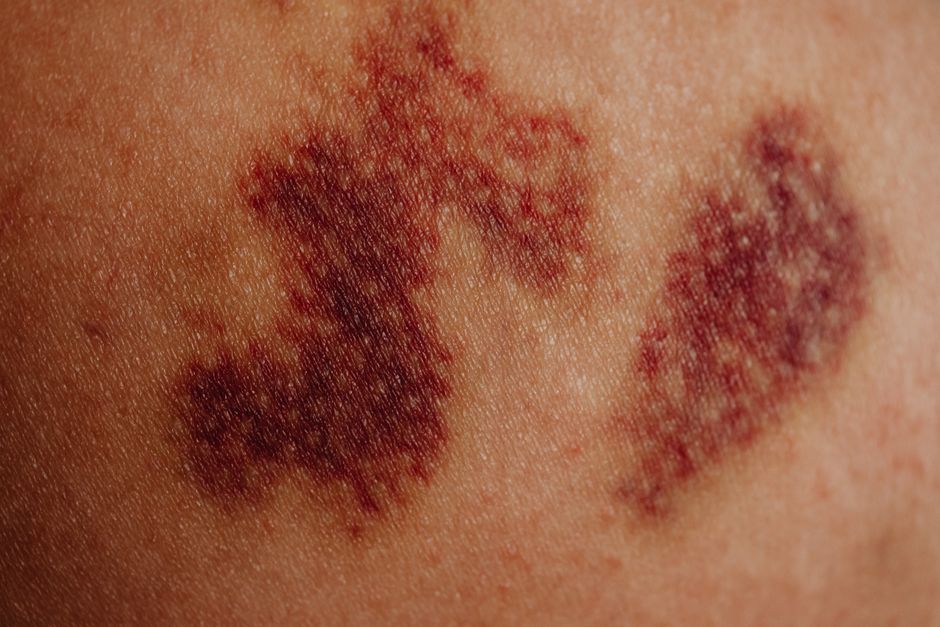
Most blood draws cause a quick pinch, not lasting pain. The needle used for routine blood work is thin, the stick lasts a second or two, and the discomfort fades fast. For most adults, a standard blood test is a minor annoyance rather than a painful procedure. The fear is common, though, and understanding what actually happens can make the experience easier.
Do Blood Work Hurt When the Needle Goes In?
For most people, the sensation is brief. You may feel a sharp pinch or a quick sting as the needle passes through the skin. That is the most uncomfortable moment for many patients, and it is over in seconds.
The reason it does not hurt more has to do with the tools. A routine blood draw uses a small-gauge needle, typically between 21 and 23 gauge depending on the vein and the amount of blood needed. Smaller numbers mean larger needles, so a 23-gauge needle is thinner than a 21-gauge one. Either way, these are far thinner than the needles used for injections into muscle or for IV lines.
Skin has densely packed nerve endings, which is why the initial stick registers. Once the needle is through the skin and into the vein, most people feel little or nothing. The vein wall itself has far fewer pain-sensing nerves than skin does. Some people report a dull pressure or a faint pulling sensation while blood fills the tube. Others feel nothing at all after the first second.
Your own state matters too. Tense muscles and a clenched fist can make the draw feel worse. Cold hands make veins harder to find, which can lead to more than one attempt. Warming your hands before an appointment is a simple step some phlebotomists recommend.
Why Does Blood Work Hurt More for Some People?
Pain during a blood draw varies a lot from person to person, and the reasons are usually practical rather than alarming. Difficult veins are the most common culprit. Veins that are small, deep, or prone to rolling can require the phlebotomist to adjust the needle, and that adjustment is what people often remember as pain.
Several factors make veins harder to access:
- Dehydration, which lowers blood volume and makes veins less plump
- Cold temperatures, which cause surface blood vessels to narrow
- Age, since skin and veins thin over time
- Having had many previous draws, which can leave scar tissue in a vein
- Body size, since veins under more tissue are harder to reach
Needle placement is the other big factor. A needle that goes in at an angle or passes through the vein can cause more discomfort and may lead to bruising afterward. This is a skill issue, not a sign that something is wrong with you. Experienced phlebotomists hit the vein cleanly most of the time, but no one succeeds on every attempt.
Anxiety plays a real role as well. Feeling nervous heightens your awareness of sensation and can make muscles tighten, which makes the draw harder. If needles make you anxious, telling the phlebotomist is worth doing. They can talk you through it and help you stay still.
What Does a Blood Draw Actually Feel Like?
Most people describe a quick sting at entry, then nothing or a light pressure. The whole collection usually takes under a minute once the needle is in. A standard tube fills in a few seconds, and if multiple tests are ordered, several tubes may be filled one after another.
After the needle comes out, you may feel a small throb at the site for a few minutes. A cotton ball and a bandage are applied with pressure. That pressure matters. Holding firm pressure for a few minutes helps prevent bruising, especially if you take blood thinners or have veins that bruise easily.
Some people feel lightheaded during or right after a draw. This is a vasovagal response, a reflex that can cause a sudden drop in heart rate and blood pressure. It is more common in people who are anxious about needles or who have not eaten. Lying down or reclining during the draw and staying seated for a few minutes afterward usually prevents it. If you know you are prone to this, tell the staff before they begin.
How Can You Make Blood Work Hurt Less?
You cannot eliminate the pinch, but a few practical steps can reduce discomfort and the odds of a repeat stick. Most of these are things you can do before you arrive.
- Drink water beforehand. Being well hydrated plumps veins and makes them easier to find. Unless your doctor has told you to fast from fluids, drinking water before a draw is generally fine.
- Warm up your hands. Holding something warm or running warm water over your hands before the appointment can bring veins closer to the surface.
- Tell them about past trouble. If one arm has always worked better, say so. If you have fainted before, say that too.
- Look away and breathe. Slow breathing and looking in another direction reduce the anxiety that makes muscles tense.
- Ask about topical numbing. Over-the-counter lidocaine creams are sometimes used before needle procedures. Their effect on a quick blood draw is limited, and they need time to work, so ask your provider whether it makes sense for you.
One clarification worth making: a topical numbing cream dulls the skin, but it does not reach the deeper tissue and vein. For a quick blood draw, the benefit is often modest. Some clinics use it for children or for people with significant needle fear, but it is not standard for routine draws in most adults.
Is Bruising or Soreness After Blood Work Normal?
A small bruise or a tender spot after a draw is common and usually harmless. It happens when a small amount of blood leaks from the vein into the tissue under the skin. The area may look purple or yellow for several days and then fade on its own.
Bruising is more likely if the needle passed through the vein, if pressure was not held long enough afterward, or if you take medications that affect clotting, such as aspirin, anticoagulants, or some anti-inflammatory drugs. It is also more common in older adults, whose skin and blood vessels are more fragile.
Mild soreness at the site for a day or two is also typical. Applying a cold pack for short periods in the first day or so can ease discomfort. After that, the area usually settles on its own.
Some symptoms are not routine and warrant a call to your doctor. Seek medical advice if you notice:
- Swelling that keeps growing or feels hard and hot
- Redness spreading from the site
- Pain that gets worse instead of better over a day or two
- Numbness, tingling, or weakness in the arm or hand
- Fever
These are uncommon after a routine blood draw, but they are reasons to get checked rather than wait.
Does Blood Work Hurt More Than a Shot or an IV?
A routine blood draw is generally less painful than most injections and far less uncomfortable than starting an IV. The comparison comes down to needle size and how long the needle stays in.
Vaccines and other injections often use a needle that delivers fluid into muscle or under the skin, and some of those needles are similar in size to a blood draw needle. The difference is what happens after entry. An injection pushes fluid into tissue, which can cause a burning or pressure sensation that lingers. A blood draw removes fluid, and once the needle is seated in the vein, there is usually little sensation.
An IV is a different experience. IV catheters are larger than blood draw needles because they need to stay in place and allow fluids to flow. Placing one often involves more discomfort, and the catheter remains in the arm for hours or days. A single blood draw is over in under a minute by comparison.
Fingersticks, used for some quick tests, are a separate case. They involve a small lancet to the fingertip, which has many nerve endings. Many people find a fingerstick sharper than a venous draw, even though it looks less intimidating.
When Should You Talk to a Doctor About Needle Pain?
For most people, needle discomfort is brief and does not need medical attention. A genuine fear of needles is different. It has a name, trypanophobia, and it is common enough that it can lead people to skip blood tests altogether.
If fear of needles has caused you to avoid recommended testing, that is worth raising with your doctor. There are real options. Some clinics offer numbing cream, smaller needles, or a lying-down position. Others use distraction techniques or let you bring someone with you. In more significant cases, a clinician may discuss other approaches for managing the anxiety itself.
Persistent pain at the site that does not improve, or any of the warning signs listed earlier, should be checked. Routine soreness that fades within a couple of days is not a concern.
Frequently Asked Questions
Do blood work hurt a lot?
No. Most people feel a quick pinch when the needle goes in, and the discomfort fades within seconds. The needle is thin, and once it is in the vein, most people feel little or nothing.
How long does the pain from a blood draw last?
The sharp sensation at entry typically lasts a second or two. Mild soreness or tenderness at the site can last a day or two afterward and usually settles on its own.
Why do some blood draws hurt more than others?
Difficult veins, dehydration, cold hands, and needle placement are the usual reasons. A draw that takes more than one attempt or requires needle adjustment tends to be more uncomfortable.
Can I take something for pain before blood work?
Routine blood draws do not usually require pain relief beforehand. If you are worried about discomfort, ask your provider about options, and check whether any medication you take could affect your test results.
