
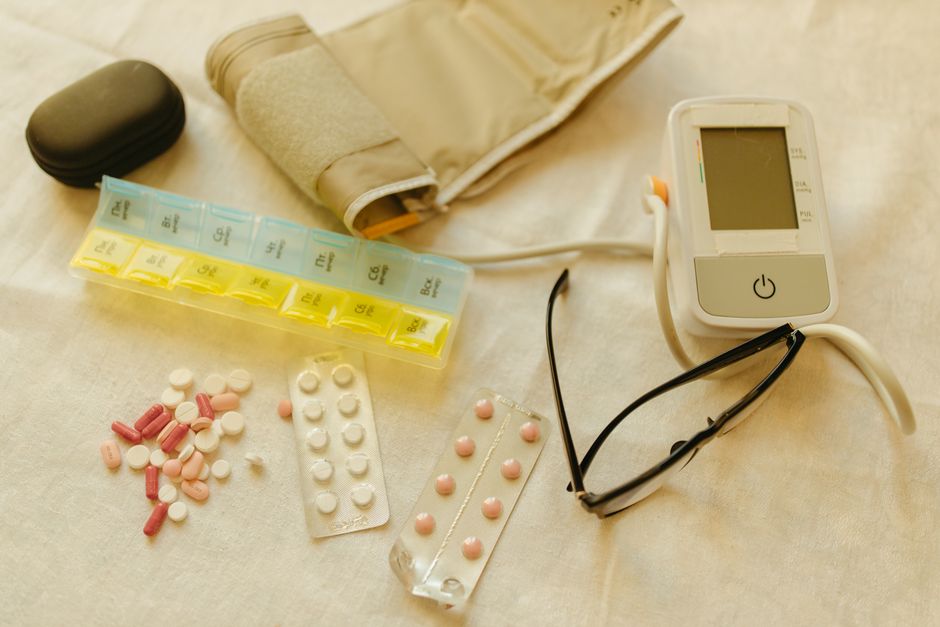
Most blood pressure tablets do not cause weight loss. The large majority of medicines used to treat high blood pressure are weight-neutral, meaning they neither cause weight gain nor weight loss. A few can shift the number on the scale, but usually in the wrong direction. Here is what the evidence actually shows about blood pressure tablets and weight.
Do Blood Pressure Tablets Cause Weight Loss?
No. For the vast majority of people, blood pressure tablets do not cause weight loss. The main classes of medication used to lower blood pressure are not designed to affect body weight, and most have no meaningful effect on it.
This matters because many people starting a new medicine watch the scale closely. If you lose weight after starting a blood pressure tablet, that is more likely to be a coincidence, a change in diet or activity, or the result of another health change than a direct drug effect.
The classes that are generally weight-neutral include:
- ACE inhibitors (such as lisinopril and enalapril)
- Angiotensin receptor blockers (ARBs) (such as losartan and valsartan)
- Calcium channel blockers (such as amlodipine and diltiazem)
- Direct renin inhibitors (such as aliskiren)
These medicines work on the blood vessels and hormone systems that control blood pressure. They do not speed up metabolism, suppress appetite, or block calorie absorption. Their job is to relax and widen blood vessels or reduce the hormones that tighten them.
Which Blood Pressure Tablets Can Affect Weight?
The medicines that most often affect weight are older classes, and the effect is usually weight gain, not loss. This is an important distinction because it is the opposite of what many people hope for.
Beta-blockers are the best-known example. Drugs like atenolol and metoprolol can slow resting heart rate and reduce the calories burned during daily activity and exercise. Some people also report fatigue on these medicines, which can lead to less movement. Over months, this can add a few pounds in some people. Not everyone gains weight on a beta-blocker, and the effect varies widely.
Thiazide diuretics (such as hydrochlorothiazide) sometimes raise blood sugar and can be linked to modest weight changes in some people, though the picture is less clear than with beta-blockers.
There is one exception worth knowing. A diuretic will lower the number on the scale in the first days of use because it removes excess fluid. That is water weight, not fat loss. It is not a health benefit in the way fat loss is, and it does not last.
Why Do People Think Blood Pressure Pills Cause Weight Loss?
Weight change after starting a new medicine is often coincidental. Blood pressure tablets are commonly started in midlife, a stage when weight naturally shifts for many reasons unrelated to the drug.
There are a few more realistic explanations for weight loss around the time a blood pressure medicine is started:
- A new diagnosis often prompts diet and lifestyle changes, which can lead to real weight loss.
- Some people reduce salt and alcohol after a high blood pressure reading, and both changes can lower weight.
- Fluid loss from a diuretic can show up as a quick drop on the scale.
- An unrelated health issue may cause weight loss at the same time.
Unexplained weight loss is worth a conversation with a doctor regardless of what medicines you take. Losing weight without trying can be a sign of other conditions that need checking.
Can Blood Pressure Medicine Help With Weight Loss Indirectly?
Indirectly, treating high blood pressure can support healthier habits, but the medicine itself is not a weight loss tool. The connection runs the other way around: weight loss often lowers blood pressure.
This is one of the most useful things to understand. Losing excess weight is one of the most effective non-drug ways to bring blood pressure down. Research consistently shows that even modest weight loss can reduce blood pressure in people who carry extra weight. For some people with mild high blood pressure, weight loss and other lifestyle changes can reduce the need for medication, though this should always be managed with a doctor rather than by stopping pills on your own.
Stopping blood pressure medicine without medical guidance can be dangerous. Blood pressure can rise quickly, and the risks of a stroke or heart problem do not disappear because you feel fine.
What Should You Do If Your Weight Changes on Blood Pressure Tablets?
Tell your doctor. A change in weight after starting or changing a blood pressure medicine is worth mentioning at your next visit, and sooner if the change is large or rapid.
Your doctor can review which medicine you take and whether a switch makes sense. Many people can be moved to a weight-neutral option if a beta-blocker or diuretic is causing problems. This is a common and reasonable conversation. Do not stop or change a blood pressure medicine on your own.
It also helps to bring context. Note whether your appetite, energy, or activity level has changed. Bring any recent lab results. The more your doctor knows, the easier it is to tell whether the medicine is involved or something else is going on.
Does Weight Loss Lower Blood Pressure?
Yes. Weight loss is one of the most reliable ways to lower blood pressure in people who are overweight. This is well established and is a core part of blood pressure guidance.
The mechanism is fairly direct. Extra body fat, especially around the belly, is linked to hormonal changes and increased strain on the heart and blood vessels. Losing fat reduces that strain. Blood pressure often comes down as a result, though the size of the effect varies from person to person.
Other lifestyle steps that support both weight and blood pressure include:
- Reducing salt intake
- Eating more vegetables, fruit, and whole grains
- Limiting alcohol
- Staying physically active most days
- Getting enough sleep
None of these is a quick fix. They work gradually and are most effective when combined. But they address the underlying issue in a way no blood pressure tablet does.
The Bottom Line on Blood Pressure Tablets and Weight
Blood pressure tablets are not a weight loss treatment. Most are weight-neutral, a few can cause modest weight gain, and a diuretic may cause a brief drop from fluid loss that is not fat loss.
If weight is a concern, the more productive conversation is about which medicine suits you best and what lifestyle changes can support both your blood pressure and your weight. That is a conversation to have with your doctor, not a reason to stop treatment. High blood pressure is often silent, and the medicines that treat it protect against serious harm even when you feel completely well.
Frequently Asked Questions
Do blood pressure tablets cause weight loss?
No, most blood pressure tablets do not cause weight loss. The main classes are weight-neutral, and the ones that affect weight more often cause modest gain.
Which blood pressure medicine causes weight gain?
Beta-blockers are the class most often linked to modest weight gain. Some people also see small changes with thiazide diuretics.
Can I stop my blood pressure tablets if I lose weight?
Only with your doctor’s guidance. Weight loss can lower blood pressure, but stopping medicine on your own can cause dangerous spikes.
Why did I lose weight after starting blood pressure medicine?
It is usually a coincidence or a result of lifestyle changes made around the same time. A diuretic can cause a brief drop from fluid loss, not fat loss.
