
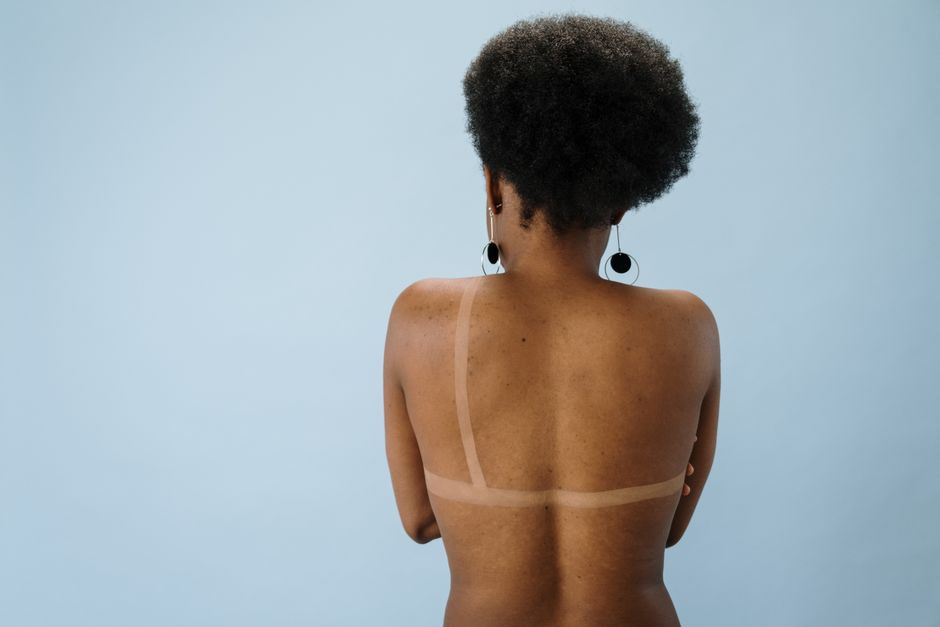
Yes. Anyone with skin can get sunburned, including people with dark brown or Black skin. Melanin — the pigment that gives skin its color — lowers the risk and can make a burn slower to appear, but it does not make anyone immune. This is one of the most common and most costly myths in skin health, because it leads people to skip sun protection and to miss skin cancers that are easier to treat when found early.
Do Black People Get Sunburned?
They do. The difference is how much ultraviolet (UV) radiation it takes and how quickly the damage shows up.
Melanin absorbs UV radiation before it can damage skin cells. More melanin means more of that built-in filtering. That is why a person with very dark skin may need a longer exposure than a person with very light skin to reach the same level of redness. But “longer” is not “never.” A full day at the beach, a high-altitude hike, or time on reflective surfaces like sand, water, and snow can deliver enough UV to burn any skin tone.
There is a second problem that makes burns easy to miss. On darker skin, redness is harder to see. A burn may show up as tenderness, warmth, or tightness before it ever looks red. People sometimes assume nothing happened, only to find their skin peeling a few days later. Peeling is a sign of damage that already occurred.
One clarification worth knowing: a tan is not a sign of health. It is the skin’s response to injury. The skin produces more melanin to try to block further UV damage. A tan means UV has already reached and altered skin cells.
How Does Melanin Protect Skin From the Sun?
Melanin is a pigment made by cells called melanocytes. It comes in different types and amounts, and it sits like a cap over the nucleus of skin cells. That position matters. The nucleus holds DNA, and UV radiation damages DNA. By absorbing UV before it reaches the nucleus, melanin reduces the amount of genetic damage each exposure causes.
That protection is real but partial. It is often described using the concept of a natural SPF, and the numbers people cite for dark skin are not standardized or reliable. The protection varies by person, by body site, and by how much time is spent in the sun. It also does not block all UV. Some radiation still gets through, and repeated exposure adds up over a lifetime.
Melanin also does not protect equally against everything. UVB rays are the main cause of sunburn. UVA rays penetrate deeper and are linked to aging and to some skin cancers. Melanin offers more shielding against UVB than against UVA, so deeper damage can still occur even when a burn does not.
Why the “Black People Don’t Get Sunburned” Myth Is Dangerous
The myth causes two separate harms. The first is more sun damage than people realize. The second is delayed diagnosis of skin cancer.
Skin cancer in people with darker skin is often found later, and later detection is linked to worse outcomes. One reason is location. In people with lighter skin, skin cancers most often appear on sun-exposed areas like the face, ears, and arms. In people with darker skin, a common type — acral lentiginous melanoma — tends to appear on parts of the body that get little sun, such as the soles of the feet, the palms, and under the nails. That means it can go unnoticed because no one is looking there and because it is not on a sun-exposed spot.
This is where the myth does its worst damage. If someone believes dark skin cannot be harmed by the sun, they may not think to check their feet or nails. And if a clinician shares that belief, a suspicious spot may not be evaluated as quickly as it should be.
The point is not that dark skin is fragile. It is that skin cancer does occur in people of all skin tones, and it behaves differently depending on where it shows up.





What Does a Sunburn Look Like on Darker Skin?
On darker skin, a sunburn may not look red at all. The color change can be subtle or invisible, so symptoms matter more than appearance.
- Warmth. The burned area feels hot to the touch compared with surrounding skin.
- Tenderness or pain. The skin may hurt when pressed or when clothing rubs against it.
- Tightness or swelling. The area may feel stretched or puffy.
- Peeling or flaking. This usually appears a few days after the exposure.
- Itching. Some people notice itching as the skin begins to heal.
If you are unsure whether you burned, the symptoms are the better guide than the color. Warmth and tenderness in a sun-exposed area after time outdoors point to a burn even when the skin does not look different.
How to Tell a Sunburn From Other Skin Problems
Sunburn is not the only thing that can make skin warm, tender, or irritated. A few conditions can look similar, especially on darker skin where redness is less obvious.
Sunburn follows a clear pattern: it appears within hours of UV exposure, it affects areas that were exposed, and it peaks and then fades over several days. The timing and the location are usually the giveaway. If the tenderness appears on covered skin, or comes on without any sun exposure, something else is likely going on.
A few possibilities that can be confused with sunburn include:
- Contact dermatitis. A reaction to a product, plant, or fabric that causes redness, itching, or burning.
- Heat rash. Blocked sweat glands that cause small bumps and irritation, often in hot, humid conditions.
- Photosensitivity reactions. Some medications and skin products make skin react to UV far more strongly than usual. This can produce a burn-like reaction from brief exposure.
If a skin reaction is severe, spreading, blistering, or not improving, it should be evaluated by a clinician. This is especially true if you take medications that can increase sun sensitivity.
Do People With Dark Skin Still Need Sunscreen?
Yes. Sunscreen reduces UV reaching the skin regardless of skin tone, and it lowers the cumulative damage that builds over a lifetime.
The evidence on sunscreen and skin cancer is strongest for squamous cell carcinoma and for precancerous skin growths. For melanoma and basal cell carcinoma, the evidence is more mixed, though sunscreen use is still widely recommended as part of overall sun protection. Broad-spectrum sunscreen protects against both UVA and UVB.
For people with darker skin, one practical issue is the white or gray cast some sunscreens leave behind. That can make people avoid using them. Tinted formulas and chemical (non-mineral) sunscreens are less likely to leave a visible residue. Finding one you will actually wear consistently matters more than the specific type.
Sun protection is not only about sunscreen. Shade, clothing, hats, and timing outdoor activity away from peak sun hours all reduce exposure. None of these are a substitute for the others. They work together.
When Should You See a Doctor About a Spot on Your Skin?
Any new, changing, or unusual spot on the skin deserves attention, and this applies to every skin tone. On darker skin, the spots most likely to be missed are on the feet, palms, and nails.
Things worth having checked include:
- A dark streak under a nail that is not from an injury
- A spot on the sole or palm that is new, changing, or not healing
- A mole or mark that changes in size, shape, or color
- A sore that bleeds, itches, or does not heal
- Any spot that looks different from the others around it
Acral lentiginous melanoma, the type more common in people with darker skin, is not caused by sun exposure, so sun protection will not prevent it. That makes awareness and checking those harder-to-see areas the main tool for catching it early. Early detection is linked to better outcomes, which is the strongest reason to look and to ask.
There is no established screening schedule specific to skin tone that this article can point to with confidence. What is clear is that knowing your own skin and noticing changes is valuable for everyone, and that unexplained changes should be brought to a clinician rather than watched indefinitely.
Sunburn Risk Factors That Apply to Everyone
Some conditions raise sunburn risk no matter how much melanin you have. Knowing them helps you adjust.
- Medications. Certain antibiotics, acne treatments, diuretics, and other drugs increase sensitivity to UV.
- Altitude. UV intensity rises with elevation.
- Reflective surfaces. Sand, water, snow, and concrete bounce UV back onto skin.
- Time of day. UV is strongest in the middle of the day.
- Cloud cover. Clouds reduce but do not block UV. You can burn on an overcast day.
- Certain skin products. Some ingredients, including retinoids and certain acids, increase sensitivity.
If any of these apply, treat your sun exposure with more caution than usual. The combination of dark skin and a photosensitizing medication, for example, can produce a burn that surprises people who have never burned before.
Frequently Asked Questions
Can Black people get sunburned?
Yes. Darker skin has more melanin, which slows sunburn and lowers the risk, but it does not prevent it. Enough UV exposure will burn any skin tone.
What does sunburn look like on dark skin?
It may not look red at all. Warmth, tenderness, tightness, and later peeling are often the clearest signs when the color change is hard to see.
Do Black people need sunscreen?
Yes. Sunscreen reduces UV reaching the skin and lowers cumulative damage over time, and broad-spectrum formulas protect against both UVA and UVB.
Can dark skin get skin cancer?
Yes. Skin cancer occurs in all skin tones, and in people with darker skin it often appears on the soles, palms, and under the nails rather than on sun-exposed areas.
