
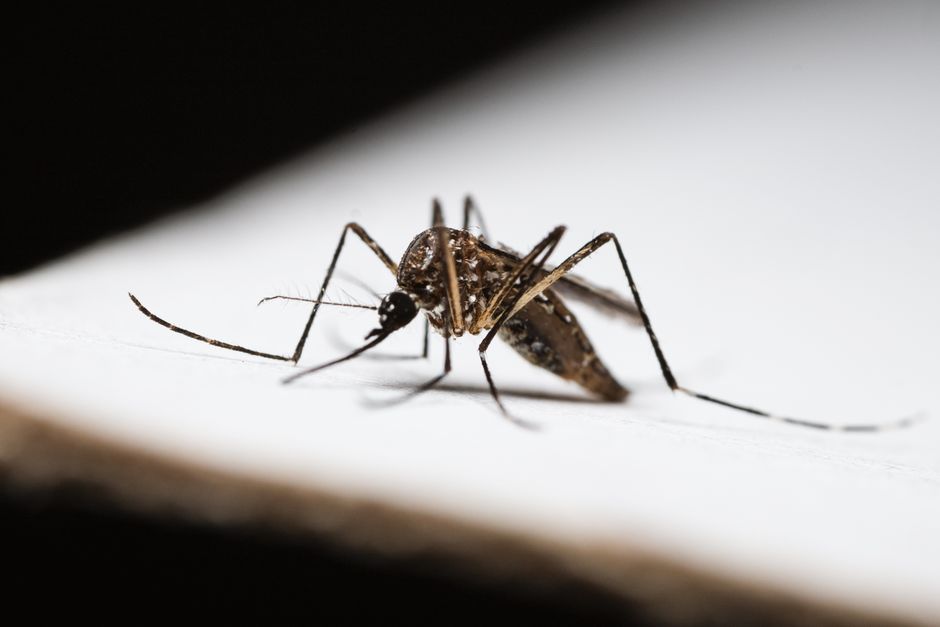
Bed bugs do not have wings. They cannot fly, and they cannot jump. Their bodies are flat and oval, and adult bed bugs have small wing pads called wing stubs that never develop into working wings. This is why bed bugs spread by crawling and by being carried on luggage, clothing, and furniture rather than by flying from room to room.
That single fact answers a lot of worried questions. If you have found bites or a bug on your mattress, the insect almost certainly walked there or hitched a ride. Understanding how bed bugs actually move helps you figure out where they came from and what to do next.
Do Bed Bugs Have Wings at Any Stage of Life?
No. Bed bugs never grow functional wings at any stage. They hatch from eggs as nymphs, molt through five nymph stages, and become adults, and none of these stages has wings capable of flight.
Adult bed bugs do have wing pads — small, flat stubs on the upper back. These are the leftover traces of wings that evolution reduced over time. They are not folded wings waiting to unfurl. They serve no flight function at all.
This matters because people sometimes mistake the wing pads for something else. On a close look, an adult bed bug is a reddish-brown, oval insect about the size of an apple seed. The pads sit flat against the body and do not move.
Can Bed Bugs Fly or Jump?
Bed bugs cannot fly and cannot jump. They have no wings for flight and no leg structure built for leaping. Their only form of self-powered movement is crawling.
That crawling is slower than most people expect. Bed bugs move at a walking pace and typically travel only short distances on their own. They are not built for long journeys across a house. When bed bugs show up in a bedroom far from where they started, something carried them there.
One detail worth knowing: bed bugs can climb smooth surfaces like walls and furniture legs, but they struggle with very smooth vertical surfaces such as clean glass or polished metal. This is why some physical barriers and interceptors are used around bed legs. It is a practical detail, not a guarantee — bed bugs can still reach a bed by crawling up nearby fabric or along a wall.
If Bed Bugs Can’t Fly, How Do They Spread?
Bed bugs spread by crawling into new spaces and by being transported on belongings. Both routes are common, and the second one is how most new infestations begin.
The main ways bed bugs get from place to place:
- Luggage and bags. Bed bugs crawl into suitcases and backpacks in hotels, then travel home with you.
- Used furniture and clothing. Secondhand mattresses, couches, and clothing can carry bed bugs or their eggs.
- Crawling between rooms. In apartments and hotels, bed bugs move through wall voids, along pipes, and under doors into neighboring units.
- Public seating. Movie theaters, buses, and waiting rooms can be transfer points, though this is less common than hotel and furniture exposure.
Bed bugs do not ride on people the way lice or ticks do. They feed on human blood but do not live on the body. They hide in cracks and crevices near where people sleep and come out to feed, usually at night.
How Far Can Bed Bugs Travel Without Wings?
On their own, bed bugs usually stay close to a food source. Most stay within a few feet of where people sleep. They crawl out to feed and return to hiding spots in seams, bed frames, baseboards, and outlet plates.
When a space becomes crowded or a food source disappears, some bed bugs will crawl farther to find a new host. In multi-unit buildings, this is how infestations creep from one apartment to the next. The distance is limited by how far a crawling insect can go, but wall voids and shared pipes give them a path.
Long-distance spread almost always involves human help. A bed bug that gets into a suitcase can cross an ocean. A bed bug on a sidewalk cannot.
How Can You Tell a Bed Bug From a Flying Insect?
If the insect flies, it is not a bed bug. That single test rules out the most common look-alikes, because the insects people confuse with bed bugs usually have working wings.
Here is a simple comparison:
- Bed bugs: flat, oval, reddish-brown, no working wings, crawl only, about the size of an apple seed as adults.
- Fleas: wingless but jump, dark and very small, usually linked to pets.
- Carpet beetles: small and oval but have wings and can fly.
- Bat bugs: look almost identical to bed bugs but are linked to bats, not people.
- Fruit flies and gnats: fly, have visible wings, and gather near food or moisture.
Bat bugs are worth noting because they look so much like bed bugs that even trained inspectors can need a microscope to tell them apart. If you find bugs and bats are roosting in or near your home, the identification matters, because the fix is different.
What Should You Do If You Think You Have Bed Bugs?
Because bed bugs cannot fly, a suspected infestation is a matter of inspection and containment rather than chasing flying insects. Start by confirming what you are dealing with before you treat anything.
Look for the signs in and around sleeping areas:
- Live bugs in mattress seams, bed frames, and headboards
- Small dark spots of digested blood on sheets and mattresses
- Tiny pale eggs and shed skins in cracks and folds
- Bites in lines or clusters on skin, though bites alone are not proof
Bites are unreliable evidence. Many skin reactions look like bed bug bites, and not everyone reacts to the bites at all. Confirming the insect itself is the only sure way to know.
For treatment, professional pest control is the most reliable route, especially in apartments or heavy infestations. Some over-the-counter products exist, but bed bugs have shown resistance to several common insecticides, and misapplied products can spread the problem or create safety risks. For anyone dealing with a confirmed infestation, an inspection by a licensed professional is a reasonable first step.
On prevention, the evidence supports a few practical habits. Check hotel rooms before unpacking, keep luggage off the floor and bed, wash and dry clothing on high heat after travel, and inspect secondhand furniture before bringing it inside. These steps reduce the chance of carrying bed bugs home. They cannot eliminate the risk entirely.
Why Do People Think Bed Bugs Fly?
People assume bed bugs fly because infestations seem to appear out of nowhere. A bug shows up in a bedroom with no obvious source, and flying feels like the only explanation.
The real explanation is usually simpler. Bed bugs hide well, move at night, and are small enough to go unnoticed in seams and cracks. An infestation can build for weeks before anyone sees a bug. By the time one appears, the trail back to its origin is gone.
Another factor is confusion with other insects. A small bug on a wall could be a carpet beetle, a gnat, or something else entirely. The assumption that it flew often comes from not getting a close look, not from what the insect actually did.
Frequently Asked Questions
Do bed bugs have wings?
No. Bed bugs have small wing pads as adults but no working wings, so they cannot fly. They move only by crawling or by being carried on belongings.
Can bed bugs jump or fly onto a bed?
No. Bed bugs cannot jump or fly, so they reach a bed by crawling up from the floor, furniture, or walls. They can climb most surfaces, including fabric and rough walls.
How do bed bugs get into a house if they can’t fly?
They are usually carried in on luggage, clothing, or used furniture, or they crawl from an adjoining room or apartment. Long-distance spread almost always involves human belongings.
What insect looks like a bed bug but can fly?
Carpet beetles are a common look-alike that can fly, and bat bugs look very similar to bed bugs but are tied to bats. If the insect flies, it is not a bed bug.
