
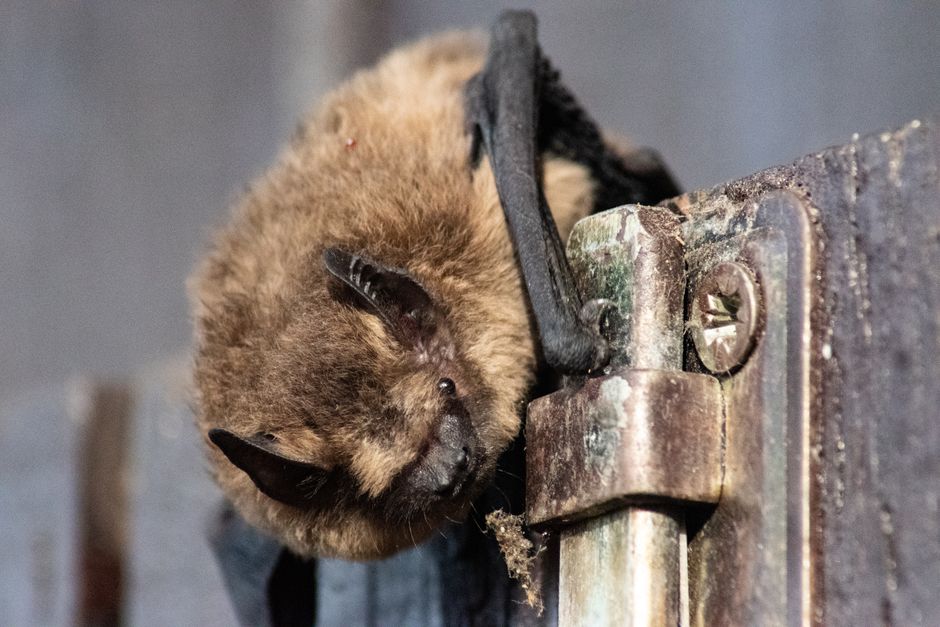
Yes, bats can carry rabies, and it is a serious risk. Rabies is a viral disease that attacks the nervous system and is almost always fatal once symptoms appear. However, the actual risk to humans is low if you follow the right steps. The key is to never handle a bat with bare hands and to seek medical advice immediately after any potential exposure, such as a bite or scratch, or even if you wake up to find a bat in your room.
What Are the Real Risks of Rabies From Bats?
Rabies is present in bats across the United States, but the percentage of infected bats is low. Studies consistently show that less than one percent of bats in the wild carry the virus. The risk is not zero, which is why public health officials take every potential exposure seriously.
The danger is not just from obvious bites. Bat teeth are tiny and sharp. A bite can look like a pinprick and may not leave a mark you notice. This is why any physical contact with a bat, or finding one in a room where you slept, is treated as a potential exposure.
Most human rabies cases in the United States are linked to bat strains of the virus. This is not because bats are more dangerous than other animals, but because their bites are easily missed. People may not realize they were exposed, and they do not seek treatment in time.
How Do You Know If a Bat Has Rabies?
You cannot tell if a bat has rabies just by looking at it. The only way to confirm rabies in a bat is to test its brain tissue in a laboratory. This testing can only be done after the bat is dead.
There are behavioral signs that raise concern. A bat that is active during the day, unable to fly, or found in an unusual place like a living room or bedroom is more likely to be sick. A healthy bat will usually try to avoid humans and fly away. A bat that lets you approach it, or appears on the ground, may be unwell.
These signs do not confirm rabies. A bat on the ground could be injured or exhausted. But the cautious approach is to assume any easily captured bat is a risk and to avoid touching it.
What Does a Bat Bite Look Like?
A bat bite can be very hard to see. The teeth are small and sharp, and the wound may close quickly. You might see two small puncture marks, a tiny scratch, or nothing at all. Redness, swelling, or pain at the site may be absent.
This is why the situation matters more than the mark. If you were sleeping and woke up to find a bat in the room, public health guidelines say to consider yourself potentially exposed. The same applies if a bat is found in a room with an unattended child, a person with a disability, or someone who is intoxicated. These individuals may not be able to tell you if they were bitten.
If you are awake and see a bat land on you, that is also considered an exposure even if you feel no bite. The absence of a visible wound does not mean a bite did not occur.





What Should You Do Immediately After a Bat Exposure?
The first step is to wash the area thoroughly with soap and water for at least 15 minutes. This is a simple and effective way to reduce the risk of infection. Flush the wound well to remove any saliva from the bat.
Next, call your doctor or go to an emergency room right away. Do not wait for symptoms to appear. Rabies post-exposure prophylaxis, or PEP, is highly effective when given soon after exposure. It involves a dose of rabies immune globulin and a series of rabies vaccines. The treatment is safe and widely available.
If the bat is still in the room, try to contain it safely. Close the door and place a container over it, or open a window and let it fly out. Do not crush the bat’s head. If the bat can be captured alive, public health officials can test it for rabies. A negative test means you do not need treatment.
When Should You Get the Rabies Vaccine?
You should get the rabies vaccine after any potential exposure, not before. The decision is based on the circumstances of the contact, not on whether the bat looked sick. If you had direct contact with a bat, or if a bat was in a room where you slept, seek medical advice immediately.
Doctors follow established guidelines when deciding whether to start PEP. They will consider whether a bite or scratch occurred, whether the bat was captured and tested, and the local rabies situation. If the bat cannot be tested, PEP is usually recommended to be safe.
The rabies vaccine is not given as a routine precaution to the general public. It is reserved for people with a high risk of exposure, such as wildlife workers and veterinarians, and for people who have had a potential exposure. The vaccine is not a one-time shot. It requires multiple doses over a period of weeks.
What Are the Symptoms of Rabies in Humans?
The incubation period for rabies is usually two to three months, but it can range from a few weeks to over a year. The virus travels slowly along nerves to the brain. This is why early treatment works. Once symptoms appear, the disease is nearly always fatal.
Early symptoms are vague and easy to mistake for the flu. They include fever, headache, weakness, and a tingling or itching sensation at the site of the bite. As the disease progresses, symptoms become more severe. They can include confusion, agitation, hallucinations, difficulty swallowing, and paralysis.
Do not wait for these symptoms. By the time they appear, it is too late for treatment. The only effective approach is to receive PEP before symptoms develop.
How Can You Prevent Bat Rabies at Home?
Prevention starts with keeping bats out of your living spaces. Seal any openings in your home that are larger than a quarter of an inch. Check your attic, chimney, and eaves for gaps. Bats can squeeze through very small spaces.
If you find a bat in your home, do not panic. Open a window and close the doors to the room. The bat will usually find its way out. If it does not leave, you can contact a local wildlife removal service for help.
Never touch a bat with your bare hands, even if it appears dead. Use thick gloves or a shovel and container to move it if you must. Teach children to never approach or touch a bat or any wild animal. This is the most important prevention step for families.
Are All Bats Dangerous?
No. Bats are important parts of the ecosystem. They eat insects, pollinate plants, and help control pests. The vast majority of bats are healthy and pose no threat to humans.
The danger comes from the small percentage that carry rabies. Because you cannot tell which bats are infected, the safe approach is to treat all bats with caution. Admire them from a distance, and never handle them.
This balanced view is important. Bats are not aggressive animals. They do not attack humans. They bite only in self-defense when they feel threatened or are handled. Most exposures happen when people try to pick up a bat that appears sick or injured.
What If You Wake Up With a Bat in Your Room?
This situation is treated as a potential exposure by public health officials, even if you find no bite marks. The reason is the small size of bat teeth and the possibility that you were bitten while asleep without waking.
Try to capture the bat safely so it can be tested. Put on thick gloves, place a coffee can or similar container over the bat, and slide a piece of cardboard underneath. Secure the lid and contact your local health department. They will tell you how to submit the bat for testing.
Do not release the bat outdoors if you have already been exposed. Testing the bat is the only way to know if you need treatment. If the bat tests negative for rabies, you do not need the vaccine series.
What Is the Treatment for Rabies Exposure?
Rabies post-exposure prophylaxis is a two-part treatment. The first part is rabies immune globulin, which is injected around the wound site. This provides immediate antibodies against the virus. The second part is a series of four rabies vaccine doses given over two weeks.
This treatment is highly effective when started promptly. It works by giving your immune system a head start before the virus reaches the brain. The vaccine is safe, and serious side effects are rare. Some people experience soreness at the injection site or mild flu-like symptoms.
The cost of PEP can be high, but it is covered by most health insurance plans. Emergency rooms and urgent care centers can provide the first dose. Your local health department can help you find a provider if you do not have insurance.
Frequently Asked Questions
Can you get rabies from a bat without being bitten?
Yes, in rare cases. Rabies can be transmitted if bat saliva enters a scratch, open wound, or mucous membrane like the eyes, nose, or mouth. Any physical contact with a bat should be treated as a potential exposure.
How long after a bat bite do you need the rabies shot?
You should start treatment as soon as possible, ideally within 24 hours of exposure. The treatment is still effective if started later, but do not delay seeking medical care.
Is a bat bite always visible?
No. Bat teeth are very small, and bites can look like a tiny pinprick or a scratch. Sometimes no mark is visible at all, which is why any contact with a bat is taken seriously.
Can a bat in the house make you sick without biting?
No, not from rabies. Rabies is spread through saliva, not through the air. Simply having a bat fly through a room does not expose you unless there was direct physical contact.
