
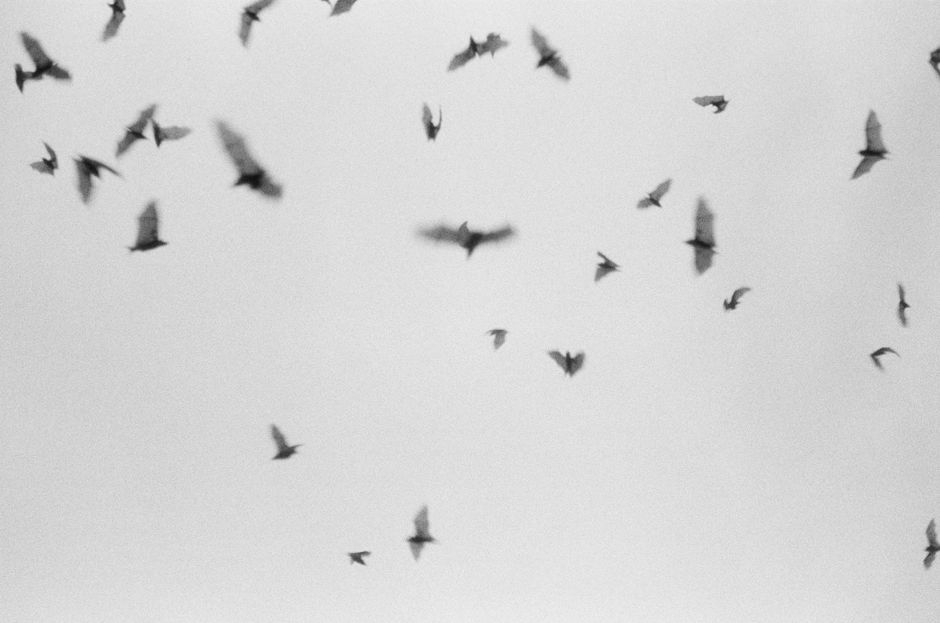
Most bats want nothing to do with you. They fly at dusk to hunt insects or find fruit, and a human being is neither. When a bat does make contact with a person, it is almost always an accident or a defensive reaction, not a hunt. But “almost always” matters here, because bat bites and scratches are a real public health concern, and the diseases they can carry are serious.
So the honest answer is this: bats do not attack people the way a predator hunts prey. They can bite or scratch when handled, cornered, or startled, and a small percentage carry rabies. The risk is rare, but the consequences of ignoring it are severe enough that health agencies treat every bat contact as a medical matter.
Do Bats Attack People on Purpose?
No. Bats are not aggressive toward humans by nature. Of the more than 1,400 bat species worldwide, the vast majority eat insects, fruit, nectar, or blood from other animals, and humans are not on the menu.
The one exception people worry about is the vampire bat, which does feed on blood. But vampire bats are native to Latin America, not the United States, and they prefer livestock and other mammals. They do not target humans as prey, and they are not present in North America outside of rare reports in Mexico and parts of Central and South America.
What actually happens is simpler. A bat that ends up in a house, a tent, or a car is disoriented and scared. If a person tries to catch it, swat it, or pick it up, the bat may bite in self-defense. That is a defensive bite, not an attack. The distinction matters because it tells you how to avoid the problem: leave the bat alone and let it find its way out, or call someone trained to handle it.
Why Do Bats Sometimes Fly at People?
When a bat swoops near a person’s head, it is usually chasing an insect that happens to be near you. Mosquitoes, moths, and other flying insects gather around people, and bats follow the food.
Some bats also fly close to people out of curiosity or because they are used to human spaces. In parks and cities where bats roost nearby, they may pass within a few feet without any intent to land.
There is one important exception. A bat that flies toward you in daylight, lands on you, or seems unable to fly away may be sick. Bats that are active during the day or that let a person approach them are behaving abnormally, and rabies is one possible cause. A bat on the ground or in the open during daytime should never be touched.
How Common Are Bat Bites and Rabies?
Bat bites are uncommon, but rabies from bats is a genuine concern. Rabies is a viral infection that affects the brain and spinal cord, and once symptoms begin it is almost always fatal. This is why public health guidance treats bats differently from most other animals.
In the United States, human rabies cases are rare, and most of the cases that do occur are linked to bat exposure. Importantly, many of those cases involved no known bite. A bat’s teeth are small, and a bite or scratch can be so minor that a sleeping person or a small child may not notice it.
That is the reason health officials recommend that anyone who wakes up to find a bat in the room, or who finds a bat near a sleeping person, an infant, or someone who cannot reliably report what happened, seek medical advice even without a visible wound. This is standard public health guidance, not a reason to panic.





What Should You Do If a Bat Touches You?
Wash the area right away with soap and water. Then contact a healthcare provider or your local health department promptly, because rabies prevention is time-sensitive and works best when started soon after exposure.
Do not wait for symptoms. There are none at first, and once rabies symptoms appear, treatment is no longer effective. Post-exposure treatment for rabies is a well-established medical protocol and is highly effective when given before symptoms start.
- Wash any bite or scratch with soap and water for several minutes.
- Contact a healthcare provider or health department the same day.
- If possible, safely capture the bat for testing without touching it with bare hands. A bat that tests negative for rabies can spare a person from treatment.
- Never handle a bat with bare hands, even one that appears dead.
If you cannot catch the bat or it is not available for testing, the decision about treatment is made by a clinician, usually in consultation with public health officials. Follow their guidance rather than deciding on your own.
Can You Get Sick From a Bat Without Being Bitten?
Rabies is the main concern, and it can be transmitted through a bite or a scratch, or when infected saliva contacts a person’s eyes, nose, mouth, or an open wound. This is why a bat in the bedroom is treated as a possible exposure even when no bite is found.
Bats can carry other infections as well, including certain viruses and a fungus associated with bat guano in some regions. Histoplasmosis, a lung infection caused by a fungus that grows in soil enriched with bat or bird droppings, is a documented concern in areas where bats roost in large numbers. It is typically associated with breathing in spores in enclosed spaces like caves or attics, not with a casual encounter.
The practical takeaway is that the risk is not from a bat flying past you outdoors. It is from close contact, handling, or spending time in a confined space where bats are roosting.
How Do You Keep Bats Away From Your Home?
Prevention is mostly about sealing a building and avoiding contact. Bats enter homes through small gaps, often around roofs, vents, and chimneys.
- Inspect your home for gaps and openings, especially near the roofline.
- Seal entry points, but only after confirming no bats are roosting inside, since trapping bats indoors creates a worse problem.
- Never try to remove a bat colony yourself. Contact a wildlife control professional.
- Teach children never to touch a bat, even one that looks hurt or dead.
- If a bat gets indoors, open a window or door and leave the room, or call for help rather than chasing it.
Bats are protected in many places because they eat enormous numbers of insects and play a real role in ecosystems. The goal is coexistence, not elimination.
Are Bats Actually Dangerous?
Bats are not dangerous in the way people often imagine. They are not aggressive, they do not seek out humans, and the vast majority of encounters end with no contact at all.
The danger is narrow but real: a small proportion of bats carry rabies, and rabies is nearly always fatal once it takes hold. That combination is why public health guidance is cautious rather than relaxed. The caution is not because bats are vicious. It is because the disease is unforgiving and the exposure can be easy to miss.
For most people, the realistic risk comes down to a few situations: handling a bat, sleeping in a room with a bat present, or a bite or scratch that goes unnoticed. Outside of those situations, a bat flying overhead at dusk is not a threat.
Frequently Asked Questions
Do bats attack humans?
Bats do not attack humans as prey. They may bite or scratch in self-defense if handled, cornered, or startled.
Can you get rabies from a bat without a bite?
Yes, in rare cases rabies can be transmitted through a scratch or when infected saliva reaches the eyes, nose, mouth, or an open wound. This is why a bat in a bedroom is treated as a possible exposure.
What should I do if a bat bites me?
Wash the wound with soap and water immediately and contact a healthcare provider or health department the same day. Rabies prevention is highly effective when started before symptoms appear.
Are bats in the US dangerous?
Most bats are harmless, but a small percentage carry rabies, which is nearly always fatal once symptoms begin. Avoid handling bats and seek medical advice after any contact.
